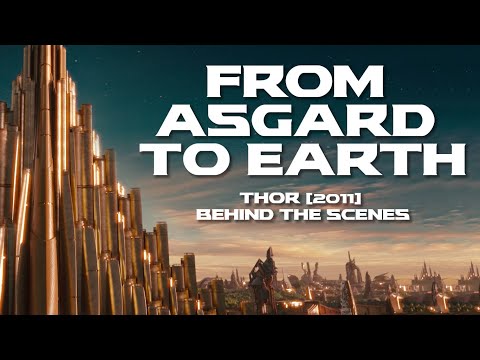
From Asgard to Earth | Marvel | Thor Behind the Scenes
The Marvel Universe: Exploring Asgard and Thor's Visual Design
The Cosmic Level of the Marvel Universe
- The Marvel Universe is vast, transitioning from ground-based heroes to cosmic elements with Thor, blending spectacular visuals of Asgard with contemporary Earth.
- Production designer Bo Welch aimed to elevate the source material while maintaining its essence, navigating through various comic runs that offer diverse visual cues.
Influences on Asgard's Design
- The design draws inspiration from Jack Kirby's iconic imagery, Norse mythology, and modern architecture to create a unique aesthetic for Asgard.
- Asgardians are depicted as advanced warrior gods living at the top of the Nine Realms, showcasing technology and architecture beyond human comprehension.
Set Design and Atmosphere
- The film utilized large physical sets instead of green screens to create an ethereal yet grounded representation of Norse mythology.
- A pivotal scene in Loki’s throne room exemplifies the blend of costume and set design, emphasizing restraint around elaborate characters to maintain focus.
Costume Design Insights
- Costume designer Alex Byrne incorporated theatricality into designs while respecting comic book aesthetics; Jack Kirby's artwork significantly influenced her approach.
- The challenge was balancing iconic comic looks with contemporary cinema styles while ensuring characters appeared realistic yet god-like.
Character Integration and Cultural Representation
- Efforts were made to reflect Asgardian culture through costume choices that hint at advanced technology without appearing outlandish or silly.
- Designers explored fabric weaving with metal in costumes to convey a distinct cultural identity for Asgardians amidst their mythological roots.
Movement and Physicality in Costumes
Cape Design and Character Intentions
The Evolution of Thor's Cape
- The design process for Thor's cape aimed to ensure it behaved naturally without relying on post-production effects.
- Each costume element, including the cape, helmet, and discs, was carefully considered for its narrative purpose—asking "why" each piece is necessary.
Challenges with Costumes
- Actors faced challenges wearing complex costumes that required significant time to put on; cooling vests were introduced to combat heat during filming.
- The physicality of the costume enforced a strong posture in actors, enhancing their portrayal of superhero strength.
Helmet Design and Characterization
Importance of Helmet Proportions
- Helmets presented unique challenges due to their scale; digital models allowed for precise sculpting based on actor features.
- The helmet's design impacts character perception, particularly how it frames the face and contributes to the character’s identity.
The Rainbow Bridge Concept
Designing the Bifrost
- Heimdall’s connection to the Rainbow Bridge is crucial; it serves as a gateway between realms and needed an exciting visual representation.
- The creative team sought a bridge that symbolized energy transfer while evoking iconic comic imagery associated with Asgard.
Visual Representation of Energy
- Various designs explored how light energy could represent travel through the Rainbow Bridge, aiming for a dynamic look rather than static visuals.
- A quartz-like aesthetic was chosen for the bridge, emphasizing light emanation as Asgardians traverse it.
Cohesion Between Realms
Earth vs. Asgard Design Choices
- A tangible representation of travel from Asgard to Earth was essential; early drafts considered historical settings but shifted focus to contemporary Earth for better audience relatability.
Small-Town America Inspiration
Creating a Characterful Town in Thor
Concept of the Town
- The small town set in a vast desert is designed to be almost a character itself, evoking empathy for its inhabitants when faced with destruction.
- The aim was to create a real feeling environment that resonates with audiences, who are sophisticated and can discern authenticity.
Visual Inspirations
- The design draws inspiration from both comic book aesthetics and the natural beauty of New Mexico's landscapes, which feature diverse scenery within a small area.
- The town's layout echoes Asgard’s design, particularly through the structure of Puente Antiguo, which mirrors elements like Heimdall's observatory and the central palace of Asgard.
Set Construction
- A significant effort went into building an authentic-looking town that contrasts with Asgard’s grandeur; it reflects a personal touch typical of small American towns.
- The transformation involved modernizing an old Western-style town into something relatable for contemporary audiences while maintaining its historical essence.
Set Design Details
- Extensive work included adding infrastructure such as sidewalks and streetlights to enhance realism before filming began. This groundwork was crucial for creating an immersive environment.
- The set dressing aimed to bring life to the town, making it feel genuine rather than artificial, contributing significantly to the film's atmosphere during action sequences.
Melding Two Worlds
- One major challenge was blending the distinct styles of Asgardian characters with human settings on Earth, requiring careful consideration of tone and performance during scenes involving both worlds.
- Actors had to navigate their performances between heightened realities in Asgard and grounded interactions on Earth, leading to moments of confusion about how best to portray their characters' dynamics.
Emotional Impact and Realism
- There was an emotional connection felt by cast members regarding the destruction of sets they had come to appreciate; this added depth to their performances amidst fantastical elements like magic and combat sequences.
Understanding the Impact of Climate Change on Global Ecosystems
Introduction to Climate Change
- The speaker introduces climate change as a significant global issue affecting ecosystems worldwide.
- Emphasis is placed on the urgency of addressing climate change due to its rapid progression and widespread effects.
- The discussion highlights how human activities, particularly fossil fuel consumption, contribute to greenhouse gas emissions.
Effects on Biodiversity
- Climate change leads to habitat loss, threatening various species with extinction.
- The speaker notes that shifting weather patterns disrupt migration and breeding cycles for many animals.
- Coral reefs are highlighted as particularly vulnerable ecosystems facing bleaching due to rising ocean temperatures.
Socioeconomic Implications
- The economic impact of climate change is discussed, including damage to agriculture and increased costs for disaster response.
- Vulnerable communities are disproportionately affected, leading to social inequalities exacerbated by environmental changes.
Mitigation Strategies
- The importance of transitioning to renewable energy sources is emphasized as a key strategy in combating climate change.
- Reforestation and conservation efforts are presented as effective methods for enhancing carbon sequestration.
Conclusion: Call to Action
- The speaker concludes with a call for collective action from individuals, governments, and organizations to address climate change effectively.