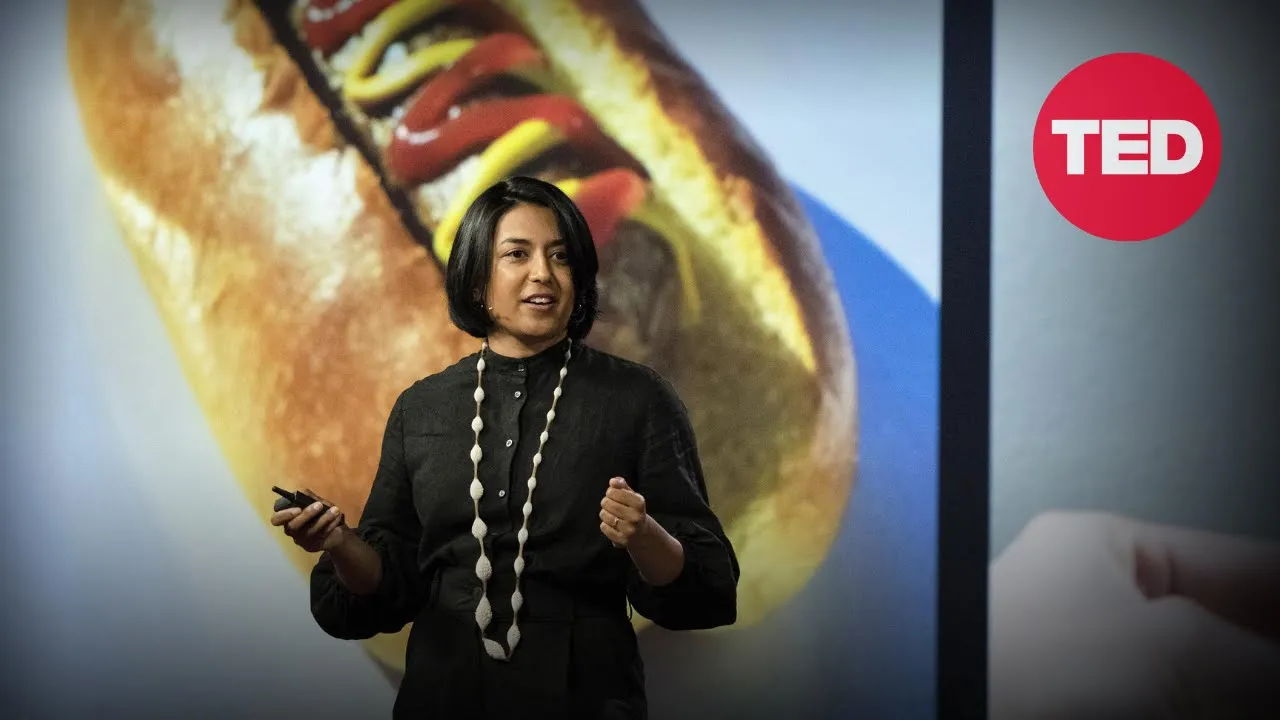
Isha Datar: How we could eat real meat without harming animals | TED
New Section
In this section, the speaker introduces the concept of cellular agriculture and explains how it can revolutionize the food system by growing meat from cells instead of animals.
Introduction to Cellular Agriculture
- The speaker advocates for growing meat in a lab through cellular agriculture.
- Details on how muscle cells are extracted from a living animal for cultivation.
- Explanation of providing a suitable environment for muscle cell growth in a bioreactor.
- Harvesting cells to create boneless, skinless, white meat products like nuggets.
- Potential benefits of cell-cultured meat including reduced land use, water consumption, and greenhouse gas emissions.
The Need for Change
This part highlights the negative impacts of traditional animal agriculture on animals, the environment, and human health.
Challenges with Traditional Animal Agriculture
- Evolution of chickens due to selective breeding causing suffering and health issues.
- Issues in modern farms leading to antibiotic resistance and epidemic viruses.
- Impact of animal agriculture on climate change through greenhouse gas emissions.
Environmental Implications
The focus shifts to the environmental implications of traditional farming practices and the potential solutions offered by cellular agriculture.
Environmental Benefits of Cellular Agriculture
- Comparison between land use for livestock farming versus cultured meat production.
- Possibility to restore ecosystems by reducing land dedicated to livestock farming.
Expanding Beyond Meat
Exploring the broader applications of cellular agriculture beyond meat production towards sustainability and ethical considerations.
Diversification in Cellular Agriculture
- Potential applications beyond meat such as producing vanilla, egg whites, foie gras, leather, and silk cruelty-free.
Cellular Agriculture: The Future of Food Production
In this section, the speaker discusses the innovative concept of cellular agriculture and its potential to revolutionize food production by creating animal products without the need for animals.
Cellular Agriculture Process
- Cellular agriculture involves producing dairy ice cream from cow's milk without involving cows directly.
- Genes for whey protein are sourced from an open-source database, inserted into trichoderma organisms, which produce whey proteins when fed sugar.
Cost Efficiency and Progress
- The cost of cell-cultured meats has significantly decreased over the years, making it more economically viable compared to traditional meat production.
- Predictions suggest that the price of cultured meat will continue to decrease while traditional meat prices rise due to factors like heavy subsidization and environmental impacts.
Challenges and Considerations in Cellular Agriculture
This section delves into the challenges faced by cellular agriculture despite its promising future, highlighting disparities in support between traditional animal agriculture and this emerging technology.
Disparities in Support
- Traditional animal agriculture receives substantial public funding and government support compared to cellular agriculture, which relies on private sector investments.
- Lack of comprehensive support for cellular agriculture in areas such as research and development, infrastructure, training, governance, and policy may hinder its success.
Maximizing Impact Through Thoughtful Implementation
Here, the speaker emphasizes the importance of strategic planning and considerations beyond scientific advancements to ensure that cellular agriculture maximizes its positive impact on society.
Strategic Implementation
- Success in cellular agriculture hinges not only on scientific advancements but also on addressing issues related to ownership, intellectual property protection, governance, policy-making, and business strategies.
Future Potential of Cellular Agriculture
This part explores the vast potential of cellular agriculture beyond just food production, envisioning a transformative era with new culinary possibilities and societal benefits.
Transformative Potential
- Cellular agriculture offers opportunities for culinary creativity with novel food products yet to be imagined.
Turn any video into a summary like this
YouTube links, meetings, lectures. With transcripts, search, and chat.