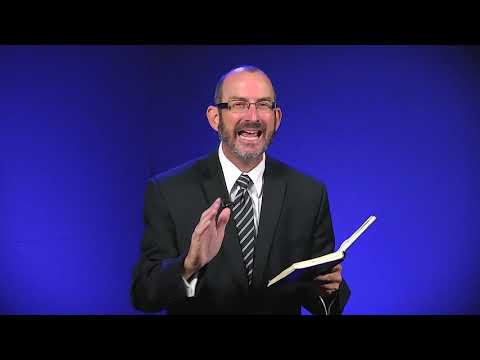
Juan capítulo 6 - parte 4 - Dr. Baruch Korman
Welcome to the Teaching Session
Introduction to the Teaching
- The session begins with a welcome message, introducing the theme of loving Israel and encouraging viewers to stay for 30 minutes as Dr. Baruch shares biblical teachings.
- Dr. Baruch is a professor at the Abraham Institute in Israel, and although courses are taught in Hebrew, this video is presented in English with Spanish dubbing for broader accessibility.
Importance of Theological Truth
- Emphasizes that understanding theological truths is crucial for proper scriptural interpretation; incorrect theology leads to flawed readings of scripture.
- Highlights that while faith is essential for salvation, it should not be misconstrued as something we earn or deserve; all glory belongs to God alone.
Understanding Salvation Through John 6:44
Key Insights on Salvation
- Uses an analogy about receiving financial help (e.g., $500) to illustrate that credit for salvation belongs solely to God, who provides everything needed for salvation.
- Introduces John 6:44, stating that no one can come to Jesus unless drawn by the Father, emphasizing God's role in enabling responses to His call.
The Meaning of "Draw" in Scripture
- Discusses the term "draw" (Greek: helkuo), explaining its various meanings and implications within biblical context—such as dragging a net or drawing a sword—indicating divine action rather than human initiative.
- Argues against interpreting God's grace as irresistible; if only those whom God draws are saved, then those not drawn face eternal condemnation without any obligation from God to save them.
Exploring Further Biblical Context
Analysis of Scriptural Usage
- Reiterates John 6:44's assertion about being drawn by God and examines whether this implies an irresistible force; suggests it does not guarantee acceptance but indicates divine initiative in salvation processes.
- Points out another instance of "draw" found in John 12:32 where Jesus states He will draw all people unto Himself when lifted up (referring to His crucifixion), suggesting a normative way people come to faith through understanding His sacrifice rather than an exclusive group being chosen arbitrarily.
Conclusion on Attraction and Faith
- Concludes that true attraction towards Christ comes from recognizing His work on the cross; if one does not understand this aspect, they cannot be genuinely drawn toward Him or attain salvation. This highlights the necessity of comprehending Christ’s sacrifice as central to faith formation.
Understanding the Message of the Cross and Divine Attraction
The Role of God in Salvation
- God is portrayed as the provider who instills a desire for salvation in individuals' hearts, initiating a process that should not be viewed as an absolute mandate.
- The concept of irresistible grace is challenged; it suggests that divine attraction to salvation is conditional upon human belief.
Jesus as the Source of Resurrection and Life
- Jesus emphasizes that no one can come to Him unless drawn by the Father, establishing His role in resurrection and eternal life. He identifies Himself as both the bread of life and the means to enter God's kingdom.
- The passage references prophetic teachings, indicating that those taught by God will recognize their need for Him. This highlights the importance of understanding divine revelation through prophecy.
Conditional Nature of Divine Attraction
- The text stresses that being drawn to God depends on being taught by Him, which implies a condition based on learning and understanding spiritual truths. This underscores a relationship between divine teaching and human response.
- It reiterates that only those who have learned from God will come to Jesus, emphasizing faith's role in recognizing His divinity and mission.
Prophetic Insights into Israel's Restoration
- A reference to Isaiah illustrates God's promise regarding Israel's return, contrasting current geopolitical beliefs with biblical prophecies about land ownership and peace in the Middle East. This serves as a critique against ignoring prophetic truth for worldly solutions.
- The discussion points out misconceptions about territorial concessions leading to peace, arguing instead for adherence to God's will as revealed through prophets.
Jesus: Bread of Life
- Jesus repeatedly identifies Himself as "the bread of life," signifying His essential role in spiritual sustenance necessary for eternal life—a theme reiterated multiple times throughout John 6.
- He contrasts Himself with manna provided during Exodus, highlighting that while it was physical sustenance, true nourishment comes from recognizing Him spiritually—an invitation for deeper faith beyond mere physical needs.
Call to Belief in Christ’s Sacrifice
- In stating He is "the living bread" descended from heaven, Jesus invites believers to partake in His sacrifice (His flesh) for eternal life—emphasizing belief over mere ritualistic consumption or expectation of miracles without understanding their significance.
- The call is clear: true sustenance comes from believing in Him—not just seeking signs but embracing His identity as central to salvation and eternal existence within God's kingdom.
Understanding the Bread of Life
The Purpose of Jesus' Mission
- The speaker emphasizes that Jesus' purpose extends beyond saving Israel; it encompasses the salvation of the entire world, positioning Him as the source of life.
- The discussion highlights that Jesus is not just bread but symbolizes eternal life and a kingdom experience, urging listeners to recognize their need for Him.
Misunderstanding Among Listeners
- A debate arises among the religious leaders regarding how Jesus can offer His flesh for consumption, indicating their lack of understanding about His identity as the suffering servant.
- Jesus asserts that without partaking in His body and blood, one cannot have life within them, stressing absolute dependence on Him.
Symbolism of Eating and Drinking
- The act of eating His flesh and drinking His blood is symbolic of accepting His death and burial; blood signifies a new covenant based on forgiveness.
- The speaker notes a significant linguistic shift in scripture from "eating" to "drinking," highlighting a deeper level of dependency akin to animalistic survival instincts.
Distinction Between Human and Animal Consumption
- Unlike humans who eat according to schedules or celebrations, animals eat solely for survival. This distinction underscores the nature of spiritual sustenance required from Christ.
- Celebratory meals symbolize communion with God; however, true dependence on Christ requires recognizing Him as essential for spiritual life.
Assurance of Eternal Life Through Christ
- Jesus reiterates that consuming His body and blood leads to eternal life, emphasizing God's provision through Him as necessary for overcoming judgment due to sin.
- He connects this promise back to Jewish traditions while addressing misconceptions held by contemporary Judaism regarding the suffering servant's role.
Living in Communion with Christ
- Reiterating that those who partake in Him will remain united with Him, drawing parallels between Jesus’ relationship with God the Father and believers’ relationship with Christ.
- Emphasizes obedience as crucial for receiving life through Christ; He came into this world under divine order and submission.
Connection Between Obedience and Righteousness
- The resurrection serves as an example of total submission to God’s will; believers receive eternal life through faith in Christ’s sacrifice.
- Those who consume Christ spiritually gain true sustenance compared to those who relied solely on physical nourishment like manna during their time in the desert.
Understanding Eternal Life Through Divine Provision
The Concept of Eternal Life
- The speaker emphasizes that responding to God's provision leads to eternal life, which originates from God the Father and was given to the Son for humanity's sake.
- This eternal life is equated with living a kingdom life, highlighting its significance in spiritual existence.
Teaching Context in Capernaum
- The teachings were delivered in a synagogue in Capernaum, marking it as foundational for understanding God's redemptive process.
- To initiate this redemptive process in one's life, one must comprehend the role of the suffering servant who sacrificed his life as eternal food.
Significance of the New Covenant
- The speaker discusses how Jesus' sacrifice established a new and eternal covenant, assuring believers of their resurrection on the final day.
- This assurance provides hope for eternal communion with God within His kingdom forever.
Invitation to Engage Further
- Listeners are encouraged to share the message and join weekly broadcasts for continued learning and engagement.
- Additional resources can be found on their website, promoting further exploration of related teachings.