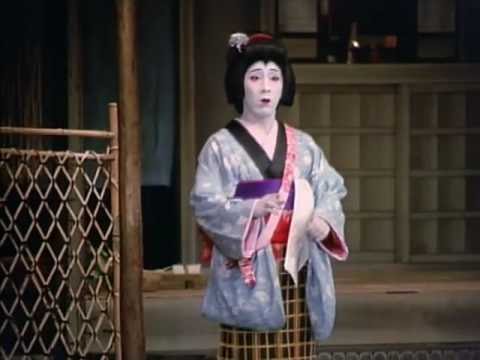
Kabuki Theatre
Kabuki: The Essence of Japanese Traditional Theater
Overview of Kabuki
- Kabuki is a traditional Japanese theater form that originated in the Edo period, specifically at the beginning of the 17th century.
- It gained popularity among townspeople after 1868 when Japan opened to Western influences, leading actors to adapt styles for modern tastes.
- Today, Kabuki stands as the most popular traditional style of Japanese drama.
Key Characteristics of Kabuki
- Important elements include unique music, costumes, stage devices, props, specific plays, language, and acting styles.
- The "Mia" style features actors holding characteristic poses to establish their characters.
Performance Dynamics
- Originally performed by both men and women, Kabuki now exclusively features male actors; those playing female roles are called Onnagata.
- Two major role types include Aragoto (rough style) and Wagu (soft style), with actors using a monotone voice accompanied by traditional instruments.
Themes and Stage Design
- Kabuki plays often revolve around historical events and moral conflicts related to affairs of the heart.
- The stage includes special devices like revolving stages and trap doors for dramatic entrances/exits. A notable feature is the Hanamichi footbridge extending into the audience.
Visual Elements
- Distinctive makeup provides a recognizable element of style in Kabuki performances, even for those unfamiliar with this art form.
Turn any video into a summary like this
YouTube links, meetings, lectures — with transcripts, search, and chat.