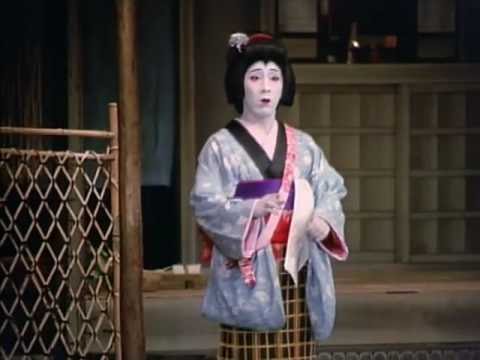
Kabuki Theatre

Kabuki Theatre

Kabuki: The Essence of Japanese Traditional Theater

Overview of Kabuki

  • Kabuki is a traditional Japanese theater form that originated in the Edo period, specifically at the beginning of the 17th century.
  • It gained popularity among townspeople after 1868 when Japan opened to Western influences, leading actors to adapt styles for modern tastes.
  • Today, Kabuki stands as the most popular traditional style of Japanese drama.

Key Characteristics of Kabuki

  • Important elements include unique music, costumes, stage devices, props, specific plays, language, and acting styles.
  • The "Mia" style features actors holding characteristic poses to establish their characters.

Performance Dynamics

  • Originally performed by both men and women, Kabuki now exclusively features male actors; those playing female roles are called Onnagata.
  • Two major role types include Aragoto (rough style) and Wagu (soft style), with actors using a monotone voice accompanied by traditional instruments.

Themes and Stage Design

  • Kabuki plays often revolve around historical events and moral conflicts related to affairs of the heart.
  • The stage includes special devices like revolving stages and trap doors for dramatic entrances/exits. A notable feature is the Hanamichi footbridge extending into the audience.

Visual Elements

  • Distinctive makeup provides a recognizable element of style in Kabuki performances, even for those unfamiliar with this art form.

Turn any video into a summary like this

YouTube links, meetings, lectures — with transcripts, search, and chat.

Channel: UNESCO
Video description

UNESCO: Representative List of the Intangible Cultural Heritage of Humanity - 2008 URL: https://ich.unesco.org/en/RL/kabuki-theatre-00163 Description: Kabuki is a Japanese traditional theatre form, which originated in the Edo period at the beginning of the seventeenth century and was particularly popular among townspeople. Originally, both men and women acted in Kabuki plays, but eventually only male actors performed the plays: a tradition that has remained to the present day. Male actors specialized in womens roles are called onnagata. Two other major role types are aragoto (rough style) and wagoto (soft style). Kabuki plays are about historical events and moral conflict in relationships of the heart. The actors speak in a monotone voice and are accompanied by traditional instruments. The Kabuki stage is equipped with several gadgets, such as revolving stages and trapdoors through which the actors can appear and disappear. Another speciality of the Kabuki stage is a footbridge (hanamichi) that extends into the audience. Important characteristics of Kabuki theatre include its particular music, costumes, stage devices and props as well as specific plays, language and acting styles, such as the mie, in which the actor holds a characteristic pose to establish his character. Keshÿ, the particular make-up, provides an element of style easily recognizable even by those unfamiliar with the art form. After 1868, when Japan opened to Western influence, actors strove to heighten the reputation of Kabuki among the upper classes and to adapt the traditional styles to modern tastes. Today, Kabuki is the most popular of the traditional styles of Japanese drama. Country(ies): Japan