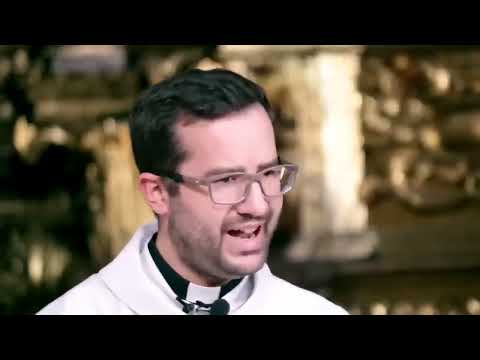
Miércoles III Ordinario
The Parable of the Sower
Introduction to the Teaching
- Jesus begins teaching by the sea, drawing a large crowd that forces Him to use a boat as a platform.
- He shares the parable of the sower, describing how seeds fall on different types of ground: along the path, rocky soil, among thorns, and good soil.
Explanation of Seed Outcomes
- Jesus emphasizes that those who can hear should listen; He explains that understanding is given to His followers but concealed from outsiders.
- The seed represents God's word. Different responses are illustrated through various types of soil:
- Path: Satan takes away the word.
- Rocky Soil: Joyful acceptance without deep roots leads to failure under pressure.
- Thorns: Life's worries and desires choke out growth.
Characteristics of Good Soil
- Good soil symbolizes those who accept and nurture God's word, yielding abundant fruit (30, 60, or even 100 times what was sown).
Insights on Being Fruitful
Importance of Sowing
- For fruitful outcomes, two conditions must be met:
- The sower must actively sow seeds at appropriate times.
- The quality of the soil determines whether seeds will thrive.
Christ as Both Sower and Seed
- Christ embodies both the sower and the seed; He is essential for spiritual nourishment.
- The concept of "good soil" is not about perfection but about being receptive to God’s message.
Abundance Through Acknowledgment
Role of Personal Struggles
- Our personal struggles (symbolized as 'nutrients') enrich our ability to receive God's word.
- Just like well-fertilized crops yield better produce, acknowledging our flaws enhances our spiritual growth.
Reflection on Spiritual Obstacles
- Many find themselves at risk when they are 'on the edge'—vulnerable to distractions or temptations that prevent them from fully embracing faith.
God’s Communication in Daily Life
Recognizing Divine Messages
- God communicates not only through scripture but also through life experiences—relationships and challenges serve as avenues for His teachings.
Embracing Vulnerability for Growth
- True receptiveness involves recognizing one’s own weaknesses; this humility allows individuals to become fertile ground for divine messages.
Understanding the Role of Suffering and Listening in Faith
Embracing Challenges as Seeds for Growth
- The speaker emphasizes that challenges such as illness, economic hardship, or conflicts can serve as seeds for personal growth. These experiences are seen as opportunities to embrace divine lessons.
- It is highlighted that God can bring forth good from evil, specifically through our sins, leading us to produce fruitful outcomes in life.
The Importance of Listening
- The speaker reflects on the difficulty many have in listening to others and to God. There is a tendency to focus on oneself rather than being attentive to those around us.
- A critical observation is made about how often individuals use "I" in conversations, indicating a self-centered approach rather than engaging with others' struggles.
Distinction Between Faith and Religion
- The speaker contrasts true faith with mere religious practice. A person of faith listens and obeys God's will, while a religious individual may only seek God's attention without reciprocating.
- True listening involves recognizing that everything given by God is inherently good, which aligns with being 'good soil'—a metaphor for receptiveness and spiritual growth.
Producing Good Fruit Through Weakness
- The message concludes with an encouragement for believers to recognize their weaknesses (symbolized by "clay vessels") as potential sources of strength that can yield nourishing fruit for others.