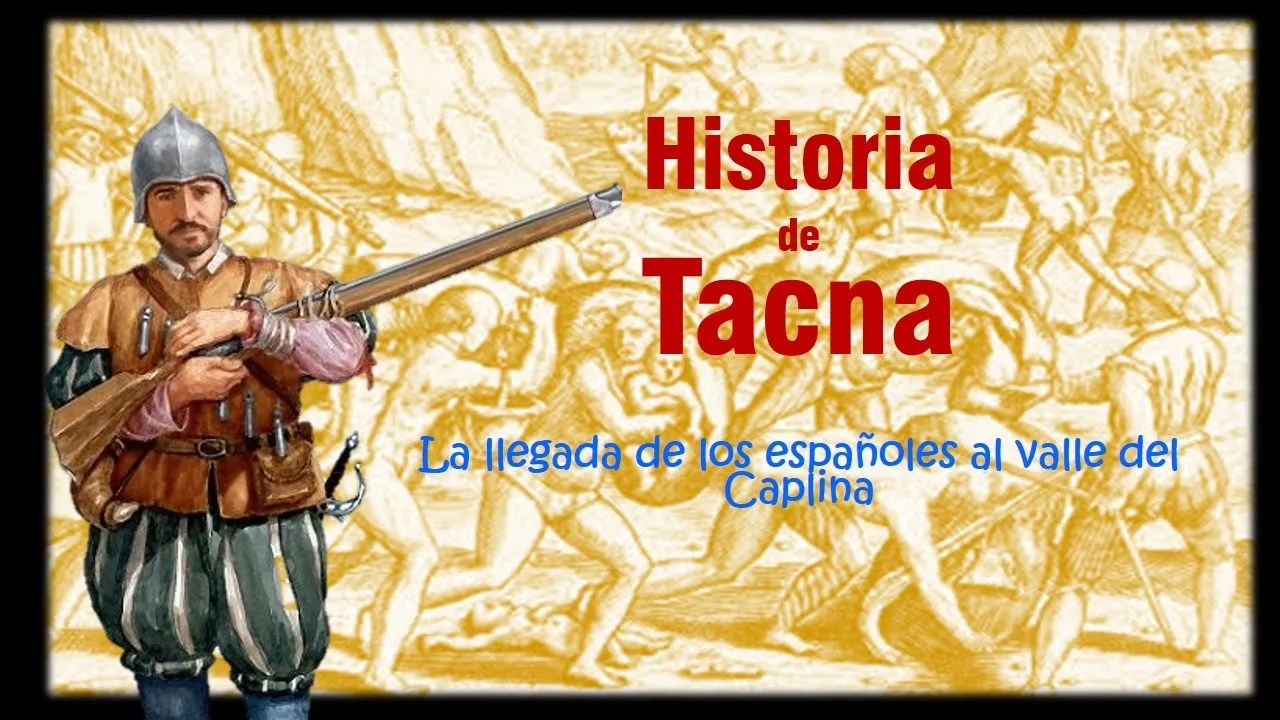
HISTORIA DE TACNA: "Desde los primeros albores.... hasta la llegada de la espada y la cruz" II Parte
Historical Background of Spanish Conquest in South America
The discussion delves into the historical context of the Spanish conquest in South America, focusing on early interactions and attempts to reach rich lands.
Early Interactions with Natives
- The presence of white men in South America dates back to the early 16th century after the establishment of the Spanish in Panama. There were failed expeditions to reach rich lands.
Francisco Pizarro's Expedition
- Francisco Pizarro's society successfully reached the rich Inca Empire during his second journey, confirming its existence and leading to preparations for invasion and conquest.
March Towards Peru
- Empowered by the Capitulación de Toledo, granting privileges to conquerors, Pizarro and his men set off towards Peru in early 1531 amidst a hostile environment.
Challenges and Conquests in South America
This segment explores the challenges faced by Spanish conquistadors upon reaching South America and their subsequent conquests.
Capture of Atahualpa
- After capturing Atahualpa through a deceptive ambush at Cajamarca, despite his offer for ransom, he was later killed by his captors.
Establishment of Jauja
- Following conflicts between Almagro and Pizarro post-Cajamarca, they hurriedly marched towards Cusco. In this journey, they founded Jauja as the first capital under Pizarro's governance.
Exploration Beyond Peru: Pedro Calvo de Barrientos' Journey
This part narrates Pedro Calvo de Barrientos' expedition beyond Peru due to expulsion from Pizarro's group.
Expulsion from Pizarro's Expedition
- Pedro Calvo de Barrientos was expelled from Pizarro's troop for theft. He requested Atahualpa to send him to distant territories which led him towards Chile via Aconcagua Valley.
Route Selection and Challenges
- Barrientos likely chose a coastal route due to less risk compared to mountainous paths amidst widespread violence across Tahuantinsuyo.
Analysis of Spanish Influence in Tacna
The transcript discusses the influence of Spanish colonization on Tacna, focusing on the introduction of new institutions and cultural transformations.
Spanish Arrival and Establishment of Institutions
- The Spanish tradition of elevating new lands to the protection of a saint upon arrival is highlighted.
- Toledan norms led to the establishment of reductions or Indian towns, including San Pedro de Tacna and other nearby settlements.
Cultural Transformation and Syncretism
- The early days of conquest saw the imposition of new institutions overshadowing Incan culture.
- A cultural transformation began, blending external cultural elements with local traditions, resulting in a unique syncretic product.
Modern Identity and Blessings
- Tacna's native cultural awakening initiated a process leading to a distinct local identity shaped by diverse cultural influences.