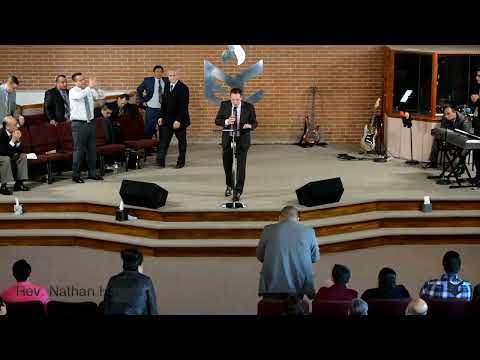
Pastor Nathan Harrod // Camino a la sanidad
Receiving Miracles of Healing
Introduction to Healing Miracles
- The speaker shares personal experiences and lessons learned over the years regarding receiving healing miracles.
- Emphasizes the importance of convincing people that God can do everything, which is key to witnessing miracles.
Understanding Our Role as Instruments
- Acknowledges that while humans cannot perform miracles on their own, they can be instruments for God's work if their motives are correct.
- Reflects on past doubts about witnessing miracles firsthand and expresses a desire to be part of God's work today.
Historical Context and Church Growth
- Discusses historical revivals and wonders why similar miracles aren't seen in modern ministry.
- Cites a study indicating that only 5% of church growth in Acts was due to church mechanics; 95% resulted from the dynamics of the Spirit.
The Dynamics of Faith and Power
- Highlights an example from Acts where thousands believed after witnessing a miracle, showcasing the power of the Spirit in church growth.
- Expresses gratitude for current growth but desires more reliance on God's power rather than human abilities or programs.
Dependence on Divine Power
- Stresses that apostolic churches must rely on divine power during services, referencing 1 Corinthians 2:4 about faith being founded not on human wisdom but on God's power.
- Shares a commitment to focus sermons not just on eloquence but also on demonstrating the Holy Spirit's presence.
Importance of Demonstration Over Eloquence
- Warns against preaching for approval rather than transformation; emphasizes life changes over well-received messages.
- Quotes Romans 15:18–19, illustrating how Paul’s ministry was marked by powerful signs and wonders leading others to faith.
Balancing Word and Spirit
- Argues for a balance between doctrine (the Word) and demonstration (the Spirit), asserting both are essential for effective ministry.
Jesus' Ministry as a Model
Jesus’ Approach to Healing
- References Matthew 4:23, highlighting Jesus' method of teaching, preaching, and healing all kinds of sicknesses as foundational for ministry today.
Apostolic Continuity
- Points out that apostles followed Jesus' model by performing signs and wonders among believers, reinforcing continuity in ministry practices.
Empowerment Through Belief
Call to Action for Believers
- Encourages believers based on John 14:12 that those who believe will do greater works than Jesus did because He goes to the Father.
Purpose Behind Signs
- Emphasizes that signs follow believers not just for spectacle but to glorify God through miraculous acts.
Steps Towards Receiving Miracles
First Steps in Prayer
- Imagination:
- Introduces imagination as crucial when praying; one must visualize answered prayers before they manifest.
- Declaration:
- Stresses speaking out what one imagines; declaring faith is vital alongside visualizing healing or blessings.
- Binding and Loosing:
- When praying, bind illness while releasing health; this principle is rooted in Matthew 16:18 about authority given by Christ.
- Praise as Warfare:
- Highlights Psalm 149:6 emphasizing praise as a weapon against spiritual battles; encourages worship before seeking healing.
- Putting Faith into Action:
- Concludes with urging believers to act upon their faith when praying—faith should lead them into action towards receiving miracles.
La Fe en Acción: Testimonios de Sanidad
Creer y Actuar
- El orador enfatiza la importancia de poner la fe en acción después de orar, sugiriendo que si realmente creemos que Dios puede actuar, debemos estar dispuestos a comprobarlo.
- Se relata un testimonio de una mujer con cáncer que, tras recibir oración, salió corriendo del baño afirmando estar sana, destacando su fe en la palabra de Dios como clave para el milagro.
Pasos para la Sanidad
- El orador menciona cinco pasos para orar por sanidad, subrayando que muchas veces los milagros ocurren cuando se actúa con fe.
- Se observa que es más fácil orar por personas fuera de la iglesia debido a su necesidad y disposición a creer sin reservas.
La Emoción vs. La Fe
- Se discute cómo algunos pentecostales dependen demasiado de las emociones durante el culto para activar su fe, mientras que la verdadera fe debe basarse en la creencia en la palabra de Dios.
- A veces no sentimos nada al orar; sin embargo, esto no debería afectar nuestra confianza en lo que dice la Biblia sobre ser sanadores.
Superando Dudas y Temores
- El orador comparte experiencias personales donde sentía enojo y falta de fe entre los congregantes, pero aún así decidió orar por aquellos con necesidades.
- Un testimonio impactante se presenta cuando una mujer sorda recibe sanidad; su creencia simple contrasta con el escepticismo del resto del grupo.
La Responsabilidad al Orar
- Al orar por sanidades, el predicador declara poderosamente sin dudar ni pedir permiso a Dios; enfatiza que no debemos tomar crédito ni culpa por los resultados.
- Es crucial entender que nuestra responsabilidad es simplemente obedecer y creer en lo que Dios puede hacer a través de nosotros.
Fe Sencilla y Nuevos Convertidos
- Se destaca cómo los nuevos convertidos tienen una fe sencilla y pura; ellos creen rápidamente en las promesas de Dios sin dudas previas.
- El llamado final invita a todos a acercarse al altar si desean ser usados por Dios, resaltando la simplicidad necesaria para recibir dones espirituales.