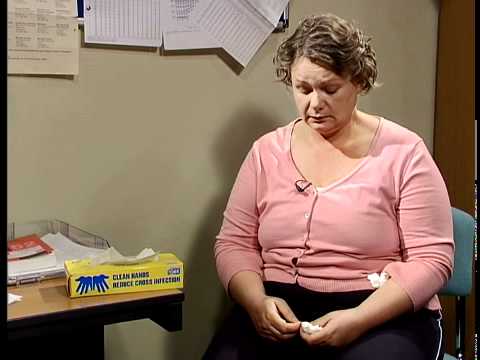
Psychiatric Interviews for Teaching: Depression
Understanding Emotional Distress
Initial Consultation
- Dr. Taylor greets Alison and Wells, introducing himself as a GP at the surgery.
- Alison expresses feelings of being "fed up," prompted by her sister's concern for her well-being.
Mood and Emotional State
- Alison describes her mood as very low, likening it to "swimming in treacle" and feeling miserable.
- She shares that minor incidents, like dropping sugar, lead to tearfulness, indicating heightened emotional sensitivity.
Energy Levels and Daily Functioning
- Alison reports significant fatigue; she used to engage actively with her children but now spends most days on the sofa.
- Work has become challenging due to exhaustion; she mentions reduced hours at the supermarket and financial stress from wage cuts.
Sleep Patterns
- Difficulty falling asleep is noted; it takes her about two hours to sleep after going to bed.
- Once asleep, she frequently wakes during the night (e.g., around 4:00 AM), struggling to return to sleep.
Appetite and Concentration Issues
- Alison's appetite has decreased significantly; she no longer prepares meals for herself or engages in cooking for her children.
- Concentration issues are evident; she struggles with tasks at work and finds it hard to focus on television shows.
Loss of Interest in Activities
- There’s a notable lack of enjoyment in activities that once brought happiness, such as social outings or hobbies.
- She feels disconnected from life’s pleasures, questioning the point of engaging in enjoyable activities.
Family Dynamics and Self-Care
- Managing household responsibilities is difficult; while children are somewhat self-sufficient, Alison feels inadequate in caring for them.
- Personal care has declined significantly; she neglects grooming habits that were once important to her sense of self-worth.
Relationship Impact
- The relationship with Dave is strained due to her emotional state; he is becoming frustrated with their limited social interactions.
Understanding Emotional Struggles and Past Experiences
Current Feelings and Relationship Challenges
- The speaker discusses feelings of difficulty concentrating, lack of enjoyment in activities, struggles with children, and relationship issues with Dave.
- The speaker reveals a past episode of emotional distress following her husband's departure, characterized by persistent crying.
Past Coping Mechanisms
- The speaker shares an experience from four years ago where she took paracetamol after consuming wine while feeling alone at night.
- She recalls taking about 12 tablets without any other medications or preparations for potential consequences.
Reflections on the Incident
- The decision to take the tablets was impulsive, stemming from overwhelming emotions rather than premeditated thoughts.
- Initially hoping to escape her pain, she ended up feeling sick but did not seek medical help afterward.
Current Mental State
- Presently, the speaker admits to having thoughts about self-harm during lonely nights but clarifies that she has no plans or means to act on these thoughts.
- She expresses concern for her children’s well-being and acknowledges they would be hurt by her actions.
Support Systems and Future Outlook
- Despite feeling low, she identifies positive aspects in life through her children and supportive relationships with friends and family.
- The speaker feels capable of keeping herself safe currently but recognizes the importance of seeking help if her situation worsens.
Understanding Depression
- Acknowledgment is made regarding symptoms suggesting depression; it can manifest as low mood, sleep issues, concentration problems, and more.