ICT Weekly Recap & Table Talk Session - 11/17/17
Eurodollar Trading Insights
Overview of the Trade
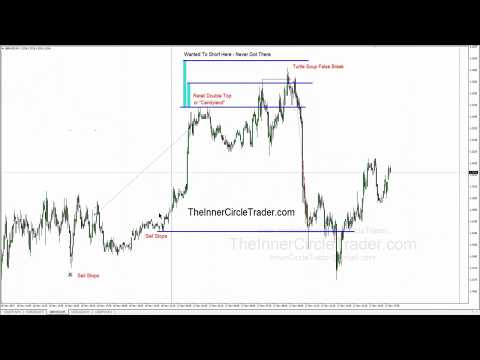
- The speaker discusses a Eurodollar trade executed earlier in the week, emphasizing the importance of understanding market movements and consolidations.
- A sudden price reaction indicates smart money's involvement, suggesting that knowledgeable traders are likely to predict future movements accurately.
Anticipated Price Movements
- The speaker anticipated a rally but did not reach the expected price level, leading to a decision to sell short at a lower price.
- Introduction of an ICT bearish order block concept, highlighting specific price levels (1.1909 and 1.1819) as critical for trading decisions.
Analyzing Market Behavior
- The midpoint of the bearish monthly order block was calculated at 1.1864; however, the market failed to reach this target.
- Observations on consolidation patterns suggest potential false breaks; the speaker reflects on missed opportunities due to not hitting desired entry points.
Trade Execution and Adaptation
- The need for adaptability is emphasized when market conditions change; close monitoring of equal lows indicated potential liquidity pools.
- A market entry was made near these liquidity pools despite not achieving perfect timing or pricing.
Reflections on Trading Strategy
- The speaker expresses satisfaction with capturing market moves even if they weren't perfectly timed, focusing on overall strategy rather than perfection.
- Current Euro trading status is discussed; while there were missed opportunities, other trades were successfully executed during the week.
Key Takeaways from Trading Experience
- Emphasis on understanding core concepts over relying solely on tools like killzone indicators; manual analysis can yield similar insights.
Trading Insights and Strategies in Forex Markets
Charting Techniques and Market Signals
- The speaker emphasizes the importance of journaling charts effectively, moving beyond simplistic indicators to capture significant market signals during specific trading sessions like New York open or Asian session.
- Mentions critical trading windows such as London close and New York kill zone, cautioning that these require a solid understanding to avoid potential losses.
- The speaker reflects on past tweets regarding market predictions, asserting their accuracy and encouraging viewers to verify claims through historical data available on Twitter.
Trade Setup Analysis
- Discusses targeting specific price levels, citing a high at 1.1394 as part of a strategic framework for trade ideas.
- Expresses confidence in predicting market movements, despite skepticism from others about the feasibility of such forecasts; encourages viewers to engage with educational materials for better understanding.
Daily Trading Opportunities
- Highlights daily trading opportunities available throughout the week, noting that not all trades yield perfect results but some can be exceptionally profitable.
- Shares personal experiences of identifying weekly highs and lows with precision, countering criticism about the impossibility of achieving such accuracy in trading.
Risk Management and Entry Points
- Advises against blind trust in his methods; instead urges traders to validate concepts through their own chart analysis.
- Describes an optimal trade entry point without relying solely on Fibonacci retracement tools, emphasizing visual recognition of key price levels.
Strategic Trading Approach
- Suggests short-selling strategies based on previous day's low while allowing for risk management tailored to individual preferences.
- Explains how logical target levels can guide trades towards successful outcomes while maintaining awareness of market behavior around those levels.
Consistency in Trading Practices
- Encourages traders to focus on consistent practices rather than overwhelming themselves with information; suggests finding manageable goals each week.
Scalping System Insights
Foundation of Scalping Techniques
- The speaker emphasizes that the foundational framework taught is sufficient for mastering a scalping system, suggesting that further tutorials or mentorship may not be necessary.
- Acknowledges the importance of building on previously established knowledge and warns against overwhelming students with excessive information.
Practical Application and Results
- The speaker shares personal success in trading, highlighting real-time results and student achievements as proof of the effectiveness of the methods taught.
- Discusses significant turning points in trading, stressing that not all swing highs and lows are equal; specific price action analysis is crucial.
Fibonacci Tools and Trading Strategy
- Clarifies that while Fibonacci levels can aid in identifying probable price conditions, they are not the sole focus; understanding price ranges is more critical.
- Addresses skepticism regarding advanced techniques by asserting that proven strategies do not require complex tools to be effective.
Market Behavior and Pair Analysis
- Describes a straightforward scalping approach focused on identifying extremes within defined price ranges to maximize trading opportunities.
- Warns against forcing trades based on patterns from one currency pair onto others, emphasizing market variability.
Communication and Learning Methods
- Mentions an effort to streamline communication through shorter video updates instead of lengthy tutorials for better engagement.
- Shares experiences with skeptics who doubt his trading practices, reinforcing transparency by providing evidence of actual trades executed.
Anticipating Market Movements
- Highlights the importance of anticipating market movements based on previous highs/lows rather than relying solely on indicators like Fibonacci levels.
Understanding Trading Strategies and Market Behavior
Short-Term Highs and Trade Decisions
- The speaker discusses a recent short-term high in the market, indicating that traders could have taken advantage of this opportunity. However, they acknowledge that many would likely have been stopped out due to market volatility.
- Emphasizing the importance of price levels, the speaker notes that a 20-pip range above certain price points is crucial for making informed trading decisions. They caution against relying solely on double tops and bottoms for trades.
Market Psychology and Resistance Levels
- The speaker highlights common misconceptions among traders regarding double tops, suggesting that many will place buy stops above these formations without understanding the potential risks involved.
- They describe how such buy stops can trigger an "attack mode" in the market, leading to aggressive movements against those positions.
Price Action Analysis
- The discussion shifts to specific price action scenarios where the speaker anticipated significant downward movement after reaching a certain level. They reference their analysis of previous lows as critical points for decision-making.
- A chart shared on Twitter illustrates areas of liquidity that were important for traders to consider when entering or exiting positions.
Risk Management and Trade Execution
- The speaker advises caution when considering buying opportunities at lower price levels, warning against falling victim to impulsive decisions based on superficial analysis.
- They reflect on past trades where protective sell stops were triggered below key levels, emphasizing the need for strategic planning rather than emotional reactions during trading sessions.
Charting Techniques and Tools
- The speaker explains their preference for using MT4 charts over other platforms like TradingView due to better functionality in tracking trade history and maintaining accurate timestamps.
- Encouraging viewers to engage with their charts actively, they suggest making personal annotations to enhance learning from past trades while focusing on optimal entry points based on historical data.
Anticipating Market Movements
- A second entry point is discussed as being strategically placed within an overall range. The speaker reflects on missed opportunities but maintains optimism about future movements in the market.
- As they conclude their thoughts, there’s an acknowledgment of potential consolidation before major moves occur again. This insight serves as a reminder of the cyclical nature of trading patterns.
Final Thoughts on Current Trades
- The speaker shares experiences with recent trades involving Dollar CAD, noting both successes and setbacks while reinforcing lessons learned through practical application in real-time markets.
Understanding Price Action and Market Structure
Importance of Clean Price Action
- Observing price action that appears "too clean" or "perfect" can be significant; it prompts the speaker to mark these areas on their charts for reference throughout the week.
- The speaker emphasizes the need for proper note-taking on charts to maintain focus, especially when distractions arise from discussions with others.
Analyzing Market Movements
- The concept of a double top is introduced as a quick notation method without extensive writing, indicating potential market behavior.
- The discussion highlights how equal highs can lead to market structure shifts, particularly when buy stops are triggered.
Recognizing Trading Opportunities
- The speaker notes that even if price drops, there may still be traders holding short positions, which could influence future price movements.
- A break in market structure late in the week suggests that positions might be taken from those who are short, indicating potential trading opportunities.
Time Zones and Kill Zones
- The importance of understanding local time versus New York time is discussed regarding trading strategies and kill zones.
- The speaker shares personal experiences with daylight savings time adjustments and how they affect trading setups.
Chart Notations and Strategy Adjustments
- A distinction is made between standard indicators and personal notations on charts; the latter provides better insights into trading windows.
How to Adjust Trading Parameters for Optimal Results
Adjusting Parameters for Future Trades
- To replicate a trading setup for the next day, simply change the parameter from 17 to 18 in the properties and parameters section. This adjustment allows for quick recalibration of your trading strategy.
The Importance of Indicators
- The speaker expresses frustration over reliance on indicators that may appear sophisticated but are ultimately simplistic. They emphasize that such tools can mislead traders into thinking they provide deeper insights than they actually do.
Analyzing Price Levels with Fibonacci
- The discussion highlights using Fibonacci retracement levels to identify potential price targets. By anchoring from significant highs and lows, traders can determine reasonable exit points based on historical price action.
Understanding Market Dynamics
- The speaker discusses how tape reading enhances their trading approach, particularly when analyzing equal highs and big figures like 128. Recognizing these patterns helps predict market movements more accurately.
Liquidity and Order Flow Insights
- Emphasizing liquidity's role in trading, the speaker notes that understanding order flow is crucial for consistent success. They suggest calibrating horizontal lines at key levels to remind traders of potential liquidity zones.
Strategies for Targeting Price Movements
Setting Realistic Profit Targets
- When targeting a big figure (e.g., 128), it's advisable to anticipate price moving 10 to 20 pips above this level. This practice aligns with typical market behavior around psychological price points.
Achieving High Accuracy in Trading
- The speaker aspires for exceptional accuracy in trades, advocating for incorporating specific pip ranges above significant levels to enhance precision in entry and exit strategies.
Capturing Market Moves Effectively
- A personal anecdote illustrates the importance of timing; despite missing an ideal entry point by a pip, capturing substantial market movement remains satisfying if executed correctly.
Market Analysis Techniques
Utilizing Screen Capture Tools
- The speaker shares their method of documenting trades through screen captures sent via social media platforms, emphasizing real-time analysis during market movements.
Anticipating Market Trends
- Discussing a specific trade strategy (TGIF), the speaker plans to teach mentorship participants about interpreting price action effectively on Fridays while highlighting other opportunities available throughout the week.
Experience-Based Trading Insights
Learning Through Experience
Understanding the Role of Experience in Trading
The Necessity of Experience
- The speaker emphasizes that many trading concepts cannot be fully understood without practical experience, highlighting a limitation in rule-based binary thinking.
- Some traders may struggle more than others due to stubbornness; those who are more adaptable tend to learn faster and improve their trading skills.
- The speaker expresses a desire to simplify the learning process but acknowledges that certain lessons can only be learned through time and experience.
Insights from Recent Trading Activities
- Acknowledging previous discussions, the speaker reflects on a recent live session where they shared candid thoughts, indicating a commitment to transparency despite potential discomfort.
- The speaker shares insights about trades taken during the week, noting straightforward strategies while also mentioning a loss on the dollar CAD trade.
Analyzing Market Trends
- To identify market opportunities, understanding daily and hourly charts is crucial; recognizing old highs and lows can indicate potential reversals.
- Price points such as double tops and bottoms are highlighted as significant indicators for traders; however, these patterns may remain unrecognized if biases are incorrect.
Technical Setup for Trading
- The speaker describes their isolated trading setup focused solely on analysis without distractions from other internet activities.
- They clarify that they do not use MT4 for trading setups but rely on specific data providers for accurate information regarding trades.
Reflections on Mentorship and Learning
- The importance of having reliable reference points in trading is stressed; the speaker avoids discussing certain topics to maintain clarity in mentorship sessions.
Understanding the Power of Fibonacci and Market Sentiment
The Role of Entertainment in Learning
- The speaker emphasizes the importance of being entertained while learning, particularly through engaging discussions on forums about market movements.
Debunking Fibonacci's Influence
- A follower's question about Fibonacci's power is addressed; the speaker asserts that "nothing" makes Fibonacci powerful, as price movements are not influenced by it.
Order Flow vs. Traditional Indicators
- The speaker critiques traditional tools like DOM (Depth of Market), stating they provide a limited view, especially in Forex trading where not all orders are visible.
Understanding Market Sentiment
- Emphasizes that true market understanding comes from grasping sentiment and tape reading rather than relying solely on indicators or order blocks.
Central Bank Influence on Price
- Discusses how central banks dictate price levels, with brokers having minimal influence beyond small spreads; this highlights the predetermined nature of price movements based on liquidity.
The Limitations of Trading Tools
Speed and Trade Execution Uncertainty
- The speaker notes that speed in trading is unpredictable; while conditions can suggest potential outcomes, actual trade execution remains uncertain.
Personal Trading Experiences
- Shares a personal anecdote about a recent trade attempt with Dollar CAD, illustrating the emotional challenges traders face when dealing with losses and successes.
Authenticity in Sharing Trades
Concerns Over Chart Authenticity
- The speaker expresses skepticism regarding some followers' shared charts, suggesting many may not be genuine representations of their trades.
Encouragement for Genuine Practice
Understanding Fibonacci and Market Structure
The Role of Fibonacci in Trading
- Fibonacci levels are not used for direct entries but to highlight specific market levels that require attention.
- Avoid cluttering charts with indicators and moving averages, as they can distract from price action.
Entry and Exit Strategies
- A successful entry requires a confluence of multiple factors suggesting profitability; exits are particularly challenging for the speaker.
- The speaker emphasizes the need for a consistent exit strategy, which has been elusive despite years of experience.
Insights on Order Flow
- Understanding order flow is crucial; markets often gravitate towards reference points like equal highs and lows.
- The speaker demonstrates an exit strategy by getting out ahead of potential resistance at equal highs.
Challenges in Developing Exit Strategies
Buying Against Market Trends
- The speaker discusses buying during downward movements, contrary to typical retail trader behavior, which seeks upward trends.
- There is an ongoing struggle to develop effective exit strategies that align with market dynamics over 25 years of trading experience.
Historical Context and Learning
- The speaker reflects on their early trading experiences using quote machines to read price movements before electronic trading became prevalent.
- They note that while traditional methods worked well in futures markets, forex offers more reliable strategies.
Reflections on Trading Philosophy
Personal Inspirations and Challenges
- The speaker shares insights about learning from other traders' weaknesses, specifically referencing Larry Williams’ struggles with understanding buyer behavior below opening prices.
- This reflection highlights the importance of recognizing personal limitations in trading strategies and adapting accordingly.
Conclusion on Trading Mastery
Understanding the Journey of a Trader
Personal Challenges and Motivation
- The speaker discusses their obsessive-compulsive tendencies and superiority complex, which drive them to excel in trading. They view challenges as personal quests to carve out their niche in the industry.
- Emphasizing a desire to buy at or below opening prices, the speaker reflects on how traditional setups often hinder this goal due to market conditions.
Mastery Over Trading Strategies
- With nearly ten years of experience, the speaker claims consistent success in trading specific markets, highlighting that their methods are repeatable and teachable.
- The speaker expresses a wish to share their journey with influential figures like Larry Williams, acknowledging that while they may not have received direct mentorship, his work inspired their approach.
Struggles with Exit Strategies
- The speaker admits difficulty in developing uniform exit strategies despite having effective entry strategies. This inconsistency has been a source of frustration for them.
- They express hope that students will leverage what they've learned to create an effective exit strategy that satisfies both themselves and others who struggle similarly.
Personal Background Influencing Trading Philosophy
- The speaker attributes some of their compulsive behaviors to childhood experiences, including feelings of inadequacy stemming from parental relationships. This background fuels their drive for accomplishment within trading.
- They acknowledge that while faith provides some fulfillment, there remains an unquenchable need for validation through achievements in trading.
Learning from Mentors and Resources
- The speaker emphasizes self-study as key to understanding market manipulation and developing successful strategies over time through extensive chart analysis.
- They mention various mentors who shaped their trading philosophy over 25 years, including Larry Williams and Ken Roberts. Their teachings laid foundational concepts crucial for success in commodities and currency trading.
Trading Insights and Strategies from Forex Mentor
The Influence of Chris Laurie
- The speaker discusses the impact of Chris Laurie's work from Forex Mentor, emphasizing that he purchased all available materials to understand different trading approaches.
- Laurie suggests that quality learning resources often come at a cost, indicating the necessity of investing in education for serious traders.
- The concept of the Asian range introduced by Laurie was new to the speaker, who found it intriguing and worth studying further.
Opening Price Strategy
- The speaker relates their approach to trading using the midnight opening price in New York, paralleling it with strategies applied to the Asian range.
- As an S&P trader, they would sell when prices moved above the opening price during bearish trends and buy when prices dropped below during bullish trends.
- They aimed for small gains (two to three handles per day), reflecting on how market volatility has changed over time.
Early Trading Experiences
- Reflecting on early experiences, the speaker admits to initially being a "loser" in trading due to overconfidence and lack of knowledge about market dynamics.
- They credit Larry Williams' materials for providing profitable insights that fueled their desire for deeper understanding in trading.
Money Management Insights
- The speaker highlights that effective money management is crucial; even poor systems can yield profits if managed well.
- Recommended authors Ralph Vince and Ryan Jones are noted for their dry but valuable content on money management theories.
Learning Wyckoff's Methodology
- The discussion shifts towards Richard Wyckoff's principles, which are essential for understanding market phases like markup and markdown.
- Emphasizing precision in predicting market movements, the speaker claims familiarity with upcoming price actions based on Wyckoff’s concepts.
- They recount personal experiences as a novice trader struggling with over-leveraging before discovering Wyckoff's teachings online.
Conclusion: Continuous Learning
Insights on Trading Strategies and Price Action
Understanding the Impact of Emotional Control in Trading
- The speaker reflects on how loosening emotional control could improve trading performance, suggesting that rigid adherence to strategies may hinder success.
Learning from Historical Figures in Trading
- The speaker discusses their initial skepticism about Wyckoff's theories, acknowledging his ahead-of-his-time insights into price action despite not being a personal study focus.
Market Maker Models and Their Consistency
- The speaker emphasizes the reliability of market maker buy and sell models at specific price levels, contrasting them with other trading theories that lack consistent scientific backing.
Acknowledging Weaknesses in Trading Education
- The importance of educators admitting their weaknesses is highlighted; this transparency can empower students to surpass their mentors, fostering growth in trading skills.
Challenges with Exit Strategies
- The speaker expresses frustration over exit strategies, noting that while entry points are clear-cut, exits remain ambiguous and require reliance on experience rather than fixed rules.
Engaging with Mentorship and Community Feedback
- A call for active engagement within mentorship forums is made; the speaker encourages respectful challenges to theories as a means of refining understanding and improving strategies.
Striving for Precision in Trade Execution
Insights on Trading and Personal Development
The Role of Students in Learning
- The speaker acknowledges that students can reveal inadequacies in their own trading, emphasizing the importance of humility and openness to learning from others.
- They express a realistic understanding of their limitations, recognizing that some issues may never be fully resolved but can inspire others to overcome similar challenges.
Trading Strategies and Concepts
- Introduction of the "Power 3" concept, which focuses on specific price levels for buying and selling rather than relying on broader market indicators.
- The speaker claims to know daily high and low prices before midnight, suggesting a unique insight into market movements that may seem unbelievable but is measurable.
Teaching Methods and Market Understanding
- There is a distinction made between binary strategies (clear entry patterns) versus more complex strategies requiring deeper understanding; students must learn to identify confluences at specific levels.
- The speaker critiques common teaching methods in trading education, arguing that many focus too heavily on indicators rather than actual price action.
Reflections on Trading Literature
- Acknowledgment of having read over 2,600 trading books; however, only a few are deemed truly valuable or inspirational.
- Emphasis on personal journaling as a more meaningful source of inspiration compared to traditional trading literature.
Importance of Journaling in Trading
- The speaker highlights the significance of maintaining a detailed journal for accountability and reflection on daily trades or decisions not taken.
- They share their commitment to journaling over 20 years with leather-bound journals, expressing how this practice has been invaluable for personal growth.
Critique of Online Negativity
- A criticism is directed towards individuals online who dismiss journaling as unimportant; the speaker argues these critics often lack real success in trading.
Journaling for Trading Success
The Importance of Journaling in Trading
- Traders maintain journals to reference periods of success and failure, which helps them stay motivated during challenging times.
- Objectivity is crucial; traders should analyze what went wrong without self-blame, focusing on maintaining their trading discipline.
- Personal experiences shared about losing streaks highlight the necessity of adapting strategies, such as limiting trades per day to avoid burnout.
Strategies for Effective Trading
- Limiting trades to a maximum of three per day can help manage risk and prevent emotional exhaustion from overtrading.
- Reflecting on past trading experiences allows traders to refine their approach and focus on optimal trading times.
Detailed Trade Analysis
- Keeping track of trade times and setting time limits for trades are essential practices that enhance accountability and decision-making.
- Recording physical feelings during trades (stress or excitement) provides insights into how emotions affect trading performance.
External Influences on Trading Mindset
- Personal milestones (like birthdays) can impact a trader's mindset; awareness of these influences is vital for maintaining focus while trading.
- Acknowledging personal feelings related to significant life events can help traders decide when not to engage in trading activities.
The Role of Accountability in Trading Development
- Journaling fosters self-accountability, contrasting with negative influences from unsupportive individuals who may hinder progress.
- Surrounding oneself with positive influences is critical; toxic relationships can drain motivation and impede development.
Understanding Market Dynamics
- Recognizing the complexities of financial markets—dominated by central banks—highlights the need for informed strategies rather than relying solely on technical indicators like RSI or MACD.
Flexibility in Learning and Trading Strategies
The Importance of Flexibility
- Emphasizes the need for flexibility in learning to avoid falling victim to external skepticism, which often labels unconventional approaches as conspiracy theories.
- Highlights that many critics may not be engaging in the same practices as successful traders, suggesting a disconnect between theory and practice.
Analyzing Industry Leaders
- Encourages studying prominent figures in the trading industry to understand their methods and compare them with personal strategies.
- Expresses skepticism about mainstream trading theories, asserting that many well-known traders may lack deeper knowledge than initially perceived.
Key Trading Indicators
- Identifies four essential indicators: opening price, high price, low price, and closing price; these are deemed crucial yet overlooked by many traders.
- Critiques the overuse of complex indicators that obscure fundamental price data on charts.
Simplifying Chart Analysis
- Advocates for a minimalist approach to charting by focusing solely on horizontal lines indicating specific price levels or rectangles highlighting liquidity ranges.
- Shares a personal preference for "naked" charts without additional clutter, emphasizing clarity in trading decisions.
Teaching vs. Personal Trading Style
- Discusses the contrast between teaching methodologies requiring annotations on charts versus personal trading preferences for simplicity.
Turn any video into a summary like this
YouTube links, meetings, lectures. With transcripts, search, and chat.