L29&30&31 Adrenal function Dr. Ola (Online)
Overview of Stress Response Mechanisms
Introduction to Stress and Hormonal Response
- The adrenal glands are divided into two parts: the adrenal cortex and the adrenal medulla, both responsible for stress hormones.
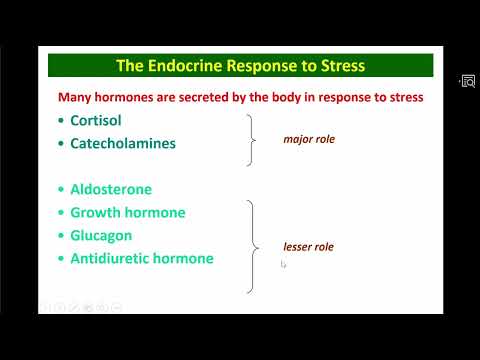
- Cortisol is identified as a primary stress hormone produced by the adrenal cortex, alongside adrenaline.
Mechanism of Hormone Release
- The hypothalamus releases corticotropin-releasing hormone (CRH), which stimulates corticotroph cells to secrete adrenocorticotropic hormone (ACTH).
- ACTH targets the adrenal cortex, prompting it to release cortisol and other hormones in response to stressors.
Definition and Types of Stress
- Stress can be defined as any internal or external change that triggers hormonal responses; examples include hypoglycemia and anxiety.
- Surgical procedures also induce stress responses requiring hormonal adjustments from the body.
Cortisol's Role in Stress Management
Defense Mechanisms Activated by Cortisol
- Cortisol operates through two main defense pathways, responding to various types of stress such as surgical or metabolic changes.
- It influences neural inputs that inform the hypothalamus about the nature of stress being experienced.
Hormonal Interactions
- Increased plasma cortisol levels stimulate corticotroph cells for further ACTH secretion, enhancing cortisol production.
- Tropic hormones like ACTH promote gland development and hormone secretion from target tissues.
Adrenal Gland Structure and Function
Layers of the Adrenal Cortex
- The adrenal cortex consists of three zones: zona glomerulosa (produces aldosterone), zona fasciculata (produces glucocorticoids), and zona reticularis (produces weak androgens).
Aldosterone's Functionality
- Aldosterone regulates sodium retention in kidneys while promoting potassium excretion, impacting fluid balance in the body.
Regulation of Aldosterone Secretion
Factors Influencing Aldosterone Levels
- Plasma potassium concentration significantly affects aldosterone secretion; increased potassium leads to higher aldosterone levels.
Renin-Angiotensin System Interaction
- Renin released from kidneys activates angiotensinogen from liver, leading to aldosterone secretion which helps regulate blood pressure.
Glucocorticoid Functions
Effects on Metabolism
- Glucocorticoids like cortisol increase glucose availability during fasting by stimulating gluconeogenesis in liver cells.
Immune System Suppression
- Chronic exposure to high cortisol levels can suppress immune function, making individuals more susceptible to infections.
Consequences of Prolonged High Cortisol Levels
Impact on Body Composition
- Elevated cortisol leads to muscle breakdown for amino acids needed for gluconeogenesis while redistributing fat storage towards central areas.
Long-term Health Risks
- Chronic high cortisol can weaken bones due to decreased collagen formation, increasing fracture risk over time.
Understanding Protein Dynamics and Inflammation
The Role of Proteins in Membrane Permeability
- The presence of proteins within membranes reduces permeability, preventing plasma proteins from leaking out.
- This decreased permeability limits the exit of proteins, maintaining their concentration within the plasma.
- When proteins escape into interstitial fluid (ICF), it indicates a disruption in membrane integrity.
- The prevention of cell leakage is crucial for maintaining homeostasis during inflammation.
Inflammatory Responses and Cortisol's Impact
- Inflammation is a healthy response to infection; it signals the body’s defense mechanisms are active.
- White blood cells release cortisol, which modulates immune responses and prevents excessive inflammation.
- Cortisol can inhibit immune cell function, potentially leading to increased inflammation if not regulated properly.
Hormonal Interactions During Stress
- External cortisol intake through medication can influence stress responses and overall health.
- Cortisol affects brain chemistry, causing mood fluctuations ranging from euphoria to depression.
- These psychological changes are linked to cortisol levels affecting neurotransmitter balance.
Glucose Regulation and Developmental Importance
- Plasma glucose levels decrease under certain conditions, highlighting the importance of glucose regulation in children.
- Cortisol plays a vital role in preventing collapse during critical developmental stages by ensuring adequate energy supply.
Hormonal Responses to Stressors
- Various hormones like aldosterone respond to stressors such as potassium increase or sodium decrease.
- Hormones like glucagon and beta endorphins are released during stress, contributing to metabolic adjustments.
- Insulin secretion decreases when blood sugar levels drop, facilitating glucose uptake by muscle cells.
Effects of Chronic Stress on Health
- Chronic stress leads to hormonal imbalances that can elevate blood pressure due to increased plasma volume.
- Pain relief mechanisms involve endorphins acting as natural painkillers during stressful situations.
Addison's Disease: A Case Study in Hormonal Deficiency
- Addison's disease results from adrenal gland damage leading to insufficient hormone production, particularly cortisol.
- Symptoms include hypoglycemia due to reduced gluconeogenesis caused by low cortisol levels.
Cushing's Syndrome: Excessive Cortisol Production
- Cushing's syndrome arises from excess cortisol production either due to adrenal tumors or prolonged steroid use.
- Symptoms include weight gain, hypertension, and skin changes due to altered protein metabolism.
Treatment Approaches for Adrenal Disorders
- Treatment for secondary adrenal insufficiency may involve removing tumors that cause excess ACTH production.
- Monitoring hormone levels is essential for managing conditions related to adrenal dysfunction effectively.
Turn any video into a summary like this
YouTube links, meetings, lectures — with transcripts, search, and chat.