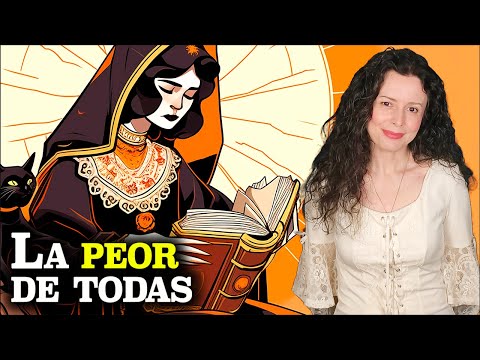
La peor monja de la historia | Sor Juana Inés de la Cruz
The Life and Legacy of Sor Juana Inés de la Cruz
Early Life and Background
- Juana Inés Ramírez de Asbaje was born on November 12, 1648, in San Miguel Nepantla, Mexico. She was the third daughter of Isabel Ramírez and Pedro Manuel de Asbaje, who were not married.
- Despite being a natural child, her upbringing was relatively stable due to her maternal grandparents' influence and access to books from a young age. Her grandfather's love for literature significantly shaped her early education.
- Juana's mother was illiterate but demonstrated strong character traits that influenced Juana’s independence and desire for knowledge. This environment fostered her precocious intellect.
Intellectual Curiosity and Education
- At the age of three, Juana secretly followed her sister to learn reading from a teacher, showcasing her early determination to acquire knowledge despite potential punishment at home.
- By lying about her mother's permission, she began receiving lessons in reading without parental consent; this highlights both her intelligence and resourcefulness as a child.
- Her passion for learning extended beyond basic literacy; she expressed an innate drive towards understanding nature and the world around her, attributing this impulse to divine inspiration.
Transition to Convent Life
- At six or seven years old, after discovering men studied at the University of Mexico, she sought permission from her mother to attend but was denied; this led to further self-directed learning through books.
- After losing family members during childhood, including her grandfather Pedro, Juana moved in with relatives in Mexico City where she could pursue more educational opportunities amidst a cultured environment.
- In 1667 at age nineteen, influenced by various factors including possible romantic disappointments or societal pressures regarding marriage options for women like herself without dowries, she entered the convent of San José as a Discalced Carmelite nun seeking intellectual freedom alongside religious life.
Literary Contributions and Recognition
- Sor Juana quickly gained recognition for her intelligence within the viceregal court after moving there; she impressed viceroys with rapid mastery of Latin among other subjects after only twenty lessons from a tutor.
- She developed friendships with influential figures such as Leonor María (the vicereine), who became both patroness and supporter of Sor Juana’s literary endeavors throughout their relationship until Leonor's death in 1674.
- Following Leonor's passing, Sor Juana continued writing prolifically while navigating complex relationships with ecclesiastical authorities who often disapproved of secular themes in her work—this tension culminated in conflicts with Father Núñez de Miranda over perceived worldly pursuits versus spiritual obligations.
Later Works and Impact on Women’s Rights
- During the tenure of new viceroys Tomás de la Cerda y Aragón (1680), Sor Juana published works that garnered significant acclaim across New Spain; these included poems addressing women's rights issues directly challenging male-dominated narratives about female behavior attributed solely to women themselves rather than societal influences on them.
- Her writings achieved widespread popularity leading to increased commissions while maintaining correspondence with scholars across Europe—her baroque style reflected influences from prominent Spanish authors like Lope de Vega and Calderón de la Barca throughout various genres including sonnets and romances focused on both secular themes as well as religious poetry aimed at cathedrals across Mexico regions like Puebla or Oaxaca .
Conclusion: A Lasting Legacy
- Despite facing opposition later in life due largely due tensions arising between personal beliefs regarding artistic expression versus strict conventual norms imposed upon nuns during that era ,Sor Juanas’ legacy endures today through ongoing discussions surrounding feminism ,literature ,and cultural identity within Hispanic contexts .
Sor Juana Inés de la Cruz: A Literary Overview
Dramatic Works and Feminist Themes
- Sor Juana's dramatic works include autos sacramentales, which are religious plays performed on Corpus Christi, and secular plays like 'Los empeños de una casa' (1683), showcasing her feminist perspective through the character Leonor, often seen as a reflection of herself.
- Her mythological comedy 'Love is more of a labyrinth' premiered in January 1689, celebrating the new viceroy Gaspar de la Cerda y Mendoza and incorporating themes from Greek mythology.
Notable Plays and Collaborations
- The plot of 'Love is more of a labyrinth' involves Theseus's myth, including his battle with the Minotaur and love interests Ariadne and Phaedra; Sor Juana collaborated with writer Juan de Guevara on this work.
- Among her three sacramental autos, 'The Divine Narcissus' (1689) stands out for its exploration of European colonization and pre-Columbian beliefs, highlighting similarities between Nahua rituals and Christian practices.
Cultural Reflections in 'The Divine Narcissus'
- In 'The Divine Narcissus', native characters confront European newcomers while reflecting on shared spiritual elements; it allegorically represents Christ’s sacrifice through the myth of Narcissus.
- The play critiques colonial attitudes towards indigenous rituals by drawing parallels to Christian ceremonies like the Eucharist. This highlights Sor Juana's empathy for native cultures despite prevailing negative perceptions.
Other Sacramental Autos
- The other two autos are titled 'The Martyr of the Sacrament: Saint Hermenegildo' and 'The Scepter of Joseph', published in 1692; they explore themes such as martyrdom and envy within biblical contexts.
- Saint Hermenegildo’s story illustrates his beheading for converting to Catholicism against his father's wishes, leading to significant religious unification among Visigoths. Meanwhile, ‘El cetro de José’ addresses envy as a character trait affecting individuals throughout their lives.
Sor Juana's Legacy: Recognition and Influence
Titles Bestowed Upon Sor Juana
- Known as the "Tenth Muse" or "Phoenix of Mexico," these titles reflect her literary prowess that transcended New Spain to reach broader Hispanic territories by 1689 when she celebrated two decades as a nun.
Intellectual Freedom Amidst Patriarchal Constraints
- Despite living in a patriarchal society where women faced restrictions on intellectual pursuits, Sor Juana maintained good relations with political authorities that allowed her to write freely until challenges arose from ecclesiastical figures like Bishop Manuel Fernández de Santa Cruz.
The Turning Point: Critique and Controversy
Commissioned Essay Leading to Conflict
- In November 1690, Bishop Fernández de Santa Cruz commissioned an essay from Sor Juana critiquing Jesuit António Vieira’s speech about Christ’s kindness; this led to significant backlash against her intellectual freedom when published without consent under a pseudonym.
Consequences of Publication
- The publication titled ‘Athenagoric Letter’ criticized Vieira while inadvertently challenging Archbishop Aguiar y Seijas’s authority; it sparked outrage among conservative church members who believed theological discourse should remain male-dominated.
Response to Criticism: A Defense of Knowledge
Autobiographical Elements in Her Response
- In March 1691, Sor Juana wrote ‘Response to Sister Filotea de la Cruz’, defending women's right to knowledge while addressing accusations regarding her focus on secular topics over religious ones; she emphasized self-taught learning amidst community distractions at the convent.
Advocacy for Women's Intellectual Rights
- She argued that human sciences were essential steps toward understanding Sacred Theology; this response has been interpreted as an early feminist manifesto advocating for women's access to education against societal norms that favored men’s superiority in intellect.
Decline into Religious Conformity
Shift Towards Religious Devotion
- Following increased pressure from ecclesiastical authorities after public criticism intensified around 1692 due to socio-political unrest in Mexico City, Sor Juana began focusing more on religious duties rather than literary pursuits amid fears for her safety within the church hierarchy.
Final Years Marked by Submission
- Ultimately surrendering her books—symbols of her intellectual identity—to appease powerful clerics marked a tragic end for one whose genius had once challenged societal constraints; she sought forgiveness through deep religiosity during these final years before passing away shortly thereafter.