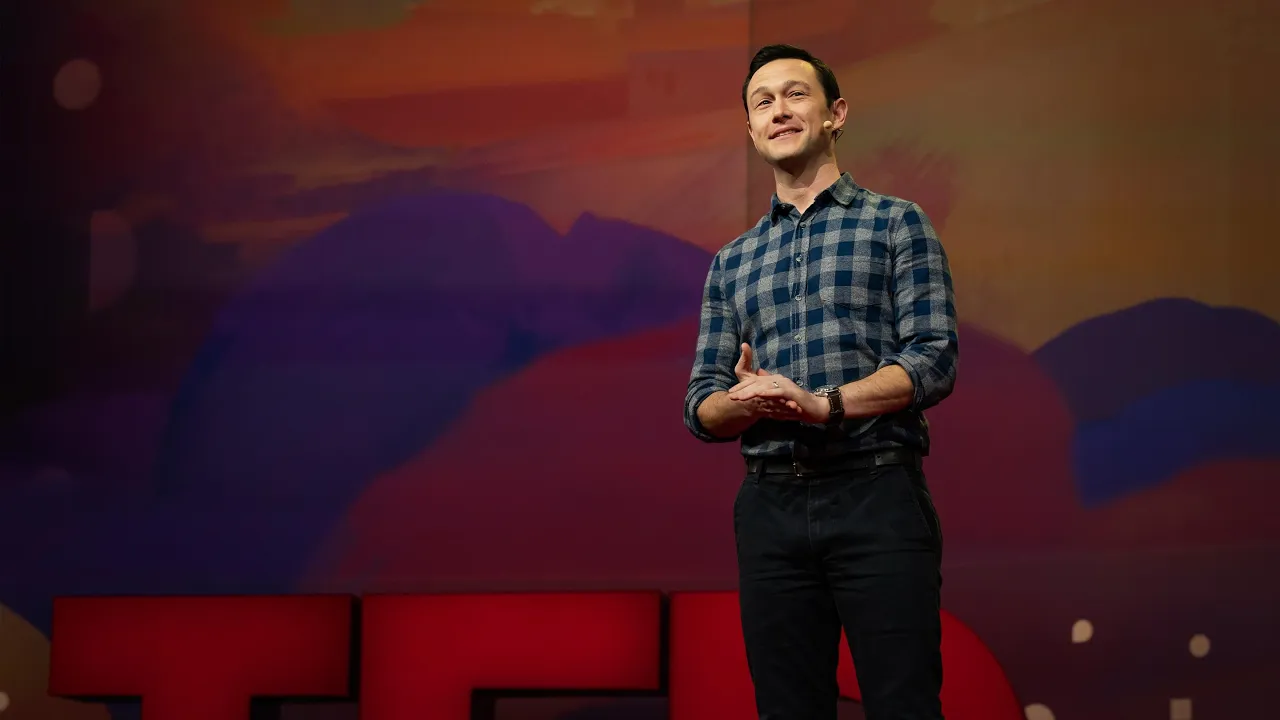
How craving attention makes you less creative | Joseph Gordon-Levitt
Introduction and the Power of Attention
The speaker expresses gratitude for the audience's attention and discusses the powerful feeling of receiving attention. They also highlight another powerful feeling that comes from paying attention.
- The speaker acknowledges the audience's attention and describes it as a powerful feeling.
- They mention being an actor and having experienced both getting attention and paying attention.
- The speaker explains how when they are acting, their focus narrows down to one thing, blocking out any distractions.
- This intense focus is what they love about creativity and being an actor.
The Magic Spell of Acting
The speaker shares their experience of getting completely absorbed in their acting when on set, highlighting the sequence of commands that triggers this state.
- When the first assistant director calls out "Rolling!" followed by "speed," "marker," "set," and finally "Action!", it becomes a Pavlovian magic spell for the speaker.
- They describe how this sequence narrows their attention, making everything else fade away, allowing them to be fully present in the moment.
Creativity: Getting Attention vs Paying Attention
The speaker contrasts two powerful feelings: getting attention and paying attention. They discuss how new technology has made it easier for people to get attention but emphasizes the importance of focusing on paying attention instead.
- The speaker highlights that new technology has allowed more people to experience the powerful feeling of getting attention through various creative expressions.
- However, they express concern about creativity becoming solely a means to get attention rather than a genuine expression of art.
- The speaker shares their personal experience, stating that pursuing the feeling of paying attention brings them happiness while seeking only to get attention leads to unhappiness.
Early Experience with Seeking Attention
The speaker recalls a childhood experience at summer camp where they used their acting achievements to seek attention but faced negative consequences.
- The speaker shares an anecdote from when they were eight years old and had been bragging about their acting accomplishments at summer camp.
- Initially, the other kids gave them extra attention, but eventually, they started making fun of the speaker.
- They mention a girl named Rocky who called them a show-off, which hurt their feelings.
- Since that experience, the speaker has been hesitant to seek attention for their acting.
Hypocrisy and Impact of Social Media
The speaker discusses how social media, particularly Twitter, made them hypocritical by using their acting to gain attention. They reflect on the impact this had on their creative process.
- The speaker admits to becoming hooked on Twitter and using it to gain attention for their acting.
- They acknowledge being hypocritical as they believed people followed them for their tweets rather than their acting skills.
- The speaker reveals that this focus on gaining attention through social media affected their creative process negatively.
Conclusion
The speaker concludes by emphasizing the importance of paying attention over seeking attention and how it contributes to genuine creativity.
- The speaker reiterates that pursuing the powerful feeling of paying attention brings happiness while solely seeking attention leads to unhappiness.
- They express gratitude for having the opportunity to be an actor and experience both getting and paying attention.
- The talk highlights the distinction between these two powerful feelings and encourages focusing on genuine creativity rather than seeking external validation.
The Potential of Technology and Social Media
In this section, the speaker discusses the potential of technology and social media to foster human creativity. They mention their online community called HITRECORD, where people collaborate on creative projects. While they acknowledge that technology itself is not problematic, they highlight the attention-driven business model of big social media companies.
The Attention-Driven Business Model
- The speaker points out that today's big social media companies rely on an attention-driven business model.
- They use Instagram as an example and question how it makes money.
- Instagram sells the attention of its users to advertisers.
- Users contribute to Instagram's success by generating attention through their posts.
- Instagram trains users to crave attention and feel stressed when they don't receive enough.
Addiction to Attention
- The speaker emphasizes that getting addicted to attention is a real addiction.
- They explain that no amount of attention can ever be enough.
- People constantly seek more followers or likes, thinking it will make them feel fulfilled creatively.
- The speaker shares their personal experience with follower counts on Twitter and Instagram causing feelings of shame and inadequacy.
Creativity Driven by Attention vs. Fulfillment
- If creativity is driven solely by a desire for attention, it will never lead to fulfillment.
- However, there is good news: there is another powerful feeling beyond seeking attention.
Paying Attention and Flow State
In this section, the speaker discusses the importance of paying focused attention and experiencing flow state in creative endeavors.
The Power of Paying Attention
- The speaker highlights the importance of being able to pay attention to just one thing.
- They mention psychologists and neuroscientists studying flow, which occurs when someone pays attention to one thing without getting distracted.
- Regularly experiencing flow can lead to increased happiness.
Personal Experience and Collaboration
- The speaker shares their personal experience of focusing on collaborators rather than seeing them as competitors.
- By viewing others as collaborators, it becomes easier to pay attention and stay focused.
This summary covers the main points discussed in the transcript.
New Section
In this section, the speaker discusses the benefits of collaboration and the potential of the internet as a platform for finding collaborators.
Collaborating with People Anywhere
- Collaboration can be professional or just for fun.
- The speaker highlights the ability to collaborate with people who are not physically present, even creating their favorite works with individuals they have never met in person.
- The internet is seen as a great place to find collaborators if we shift our focus from competing for attention.
Finding Flow through Collaboration
- Collaborating with others, whether on set or online, makes it easier to find flow in the creative process.
- When working together on a shared project, everyone's attention is focused on that one thing, creating a sense of being part of something larger than oneself.
New Section
The speaker reflects on their personal experience and acknowledges that sometimes they still get caught up in seeking attention but emphasizes the value of focusing on something they care about.
Balancing Attention Seeking
- While collaboration helps maintain focus, there are times when the addictive cycle of seeking attention still takes hold. The speaker humorously admits to having some desire for attention while giving a TED Talk.
- However, writing and giving this talk has provided an opportunity to deeply engage with a topic they care about and redirect their attention towards it.
Gratitude for the Experience
- Regardless of how much attention they receive as a result, the speaker expresses happiness and gratitude for having gone through the creative process of writing and delivering this talk.
- They express appreciation towards the audience for allowing them this opportunity.
Turn any video into a summary like this
YouTube links, meetings, lectures. With transcripts, search, and chat.