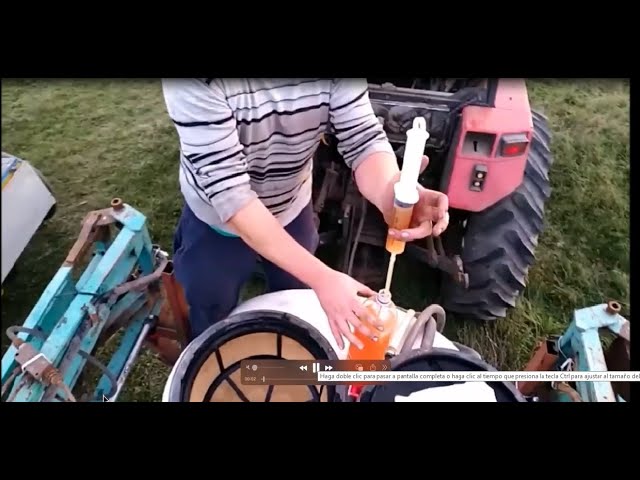
GIANI M: APLICATION IN AGRICULTURE. (1st. part.). SUBTITLED.
Discussion on Gans Technology and Soil Treatment
The conversation revolves around the application of Gans technology in soil treatment and agriculture, discussing methods to enhance crop growth and soil health.
Insights on Soil Treatment
- Gianni mentions the need for alternative methods to raise objects off the ground without compacting the soil, suggesting a solution beyond wheels.
- Horacio discusses working with Gans technology in agriculture, preparing for the upcoming season using innovative techniques.
- Detailed explanation provided in chat about spraying plasma with specific Gans components and amino acids on land for cultivation.
Application of Plasma in Agriculture
- Description of using a mixture of Gans components and amino acids for conditioning soil before planting winter wheat, highlighting specific ratios used.
- Discussion on plasmatization of soil leading to enhanced growth conditions for crops like winter wheat.
Plasmatization Process
- Emphasis on caution when using plasmatized water from rivers due to unknown contents, detailing the process of treating large areas of land with Gans technology.
- Mention of quickly plasmatizing 120 hectares of land by utilizing water sources like rivers after proper evaluation.
Impact on Crop Growth
- Observations shared about experiencing enhanced fields through polarization post-plasmatization, indicating positive effects on agricultural practices.
Plasma Agriculture Experiment Insights
In this section, the speaker discusses the benefits of using plasma in agriculture and its impact on plant growth.
Benefits of Plasma in Agriculture
- Plasma application leads to improved plant growth and vitality.
- Chemical usage on plants often results in their death, while plasma treatment supports all life forms.
- Plasma application promotes the growth of various plants, including wheat for oil extraction.
- Discussion on the interruption due to technical issues.
Innovative Weed Control Methods
The conversation shifts towards innovative weed control methods involving plasma technology.
Weed Control Innovations
- Contrast between chemical weed control and plasma-based solutions for coexistence of different crops.
- Using a specific plant to feed rabbits for better growth and applying innovative methods over 10 hectares.
- Utilizing plasma instead of pesticides to enhance plant growth without harming them.
Community Participation and Observations
The speaker highlights community involvement and observations regarding plasma applications in agriculture.
Community Engagement
- Positive community engagement with plasmatization leading to quick visible results.
- Confirmation from participants about the effectiveness of plasma in agriculture through direct observation.
Plant Health and Growth Enhancement
Focuses on the remarkable effects of plasma treatment on plant health and growth enhancement.
Plant Vitality
- Plants exhibit fantastic health and vitality due to plasma treatment.
- Significant results achieved with minimal plasma application per hectare.
Innovative Uses of Plasma Technology
Explores novel applications of plasma technology beyond traditional agricultural practices.
Diversified Applications
- Extracting CBD oil using modified humidifiers with plasma technology.
- Utilizing Nano plants for specific purposes based on desired outcomes.
Optimizing Plant Nutrition Through Plasma
Discusses optimizing plant nutrition through precise application of nutrients via plasma technology.
Nutrient Optimization
- Efficient nutrient absorption by plants through controlled pulverization using field conditions as a reference point.
Diversification into Fruits Cultivation
Transitioning into fruit cultivation utilizing innovative approaches with plasma support.
Fruit Cultivation Expansion
Plant Energy and Gans
The discussion revolves around enhancing plant growth by utilizing Gans of specific plants in the watering system to provide targeted energy fields.
Understanding Plant Energy Enhancement
- In the process, using caustic and flame coverings can impact plant growth differently.
- Clarification on creating tritium and its containment in one container or from different setups.
- Exploring interactions between Nano coils of copper, iron, and zinc leading to CO2 field formation.
- Discussion on the production sequence of zinc oxide Gans, CO2, and iron interactions.
Crop Cultivation Techniques
Delving into agricultural practices involving rapeseed cultivation alongside wheat and its implications.
Crop Cultivation Insights
- Observations on growing rapeseed with wheat for mutual benefits in farming practices.
- Comparing rapeseed leaves to grape leaves or Swiss chard for visual reference.
Canola Oil Production and GMO Reversion
Discussing canola oil production, GMO processes reversal through Gans spraying, and seed germination techniques.
Canola Oil Production & GMO Reversion
- Drawing parallels between canola oil and rapeseed while highlighting GMO concerns.
Plant Genome Modification and Farming Techniques
In this section, the discussion revolves around plant genome modification through genetic engineering and farming techniques that optimize plant growth in different environments.
Plant Genome Modification
- Genetic modifications target the shell and amino acids of a plant's genome to adapt it to different climates.
- Enhanced amino acid shells allow plants to grow naturally in specific environments by absorbing CO2 effectively.
- The process involves using 70% CO2 and 30% Xenon for optimal plant growth.
Farming Techniques
- Consideration of surrounding plants is crucial for successful cultivation.
- Highlighting the importance of understanding the interaction between weeds and desired plants for effective farming.
Transition to Plasma-Based Farming Methods
This segment delves into transitioning traditional farming methods to plasma-based techniques, emphasizing voluntary adoption and procedural guidance.
Transition Process
- Farmers voluntarily transition to plasma-based methods without expecting anything in return.
- Emphasis on farmers deciding their level of involvement in adopting new techniques.
Impact on Farmers and Adoption Challenges
Exploring the motivations behind farmers' shift towards plasma-based farming methods and addressing potential challenges in adopting innovative agricultural practices.
Farmer Adoption
- Farmers show faith in new methods despite risks associated with changing established practices.
Challenges Faced
The Impact of Plasma Technology on Agriculture
In this section, the speakers discuss the impact of plasma technology on agriculture, highlighting the emotional connection and positive outcomes observed in their experiences.
Magnificent Impact of Plasma Technology
- The colleague who initiated plasmatization experienced a profound sense of happiness, akin to being in a cloud of joy. This emotional response mirrored the speaker's initial feelings when introduced to plasma technology.
Utilizing Plasma in Food Production
- The use of plasma in food production evoked feelings of happiness similar to those felt by plants during plasmatization. This shift towards plasma technology was influenced by a desire to move away from chemical usage in agriculture.
Origin of Ideas for Plasma Implementation
- The idea to implement plasma technology stemmed from a simple realization that consuming crops directly impacted one's well-being and health. This understanding catalyzed the exploration and adoption of plasma techniques in agriculture.
Enhanced Taste and Quality Through Plasma Treatment
This segment delves into the enhanced taste and quality achieved through plasma treatment, emphasizing its transformative effects on traditional food products.
Elevating Food Quality with Plasma
- Beyond fields, it was discovered that plasmatization could extend to food products themselves, enhancing taste and flavor significantly. Traditional bread made using plasma water showcased elevated quality levels compared to conventional methods.
Exploring New Culinary Frontiers
- Experimentation with different ingredients at high temperatures sparked curiosity about applying plasma treatment across various foods for improved taste profiles. The pursuit of culinary excellence through innovative techniques became a focal point for further exploration.
Expanding Applications Beyond Agriculture
Discussions revolve around expanding applications beyond agriculture, exploring new possibilities such as utilizing drones for efficient implementation.
Environmental Collaboration and Innovation
- Collaborative efforts within an enriching environment led to innovative solutions like utilizing drones for efficient agricultural practices. The collective endeavor aimed at streamlining processes while ensuring precision in application methods for optimal results.
Equilibrium in Plasmatization Processes
- Emphasizing equilibrium as a key aspect during plasmatization highlighted the importance of farmers' willingness to adopt these techniques for sustainable agricultural practices. Understanding this balance is crucial for successful implementation and desired outcomes in farming practices.
Balancing Positive & Negative Aspects of Technological Advancements
Delving into the dual nature of technological advancements, this part explores both positive and negative aspects concerning genetic modifications within agricultural practices.
Dual Nature of Genetic Modifications
- Genetic modifications play a pivotal role in enhancing crop resilience but also raise concerns regarding seed reproduction limitations imposed by certain companies like Monsanto. Balancing these advancements requires acknowledging both their positive impacts on crop survival and potential drawbacks related to seed control issues.
What is Needed for Understanding
The speaker discusses the lack of understanding regarding fundamental concepts like the soul and spirit energy in relation to technology and agriculture.
Corporalistic Fundamentalism
- Corporalistic fundamentalism is criticized for being incorrect and used to manipulate farmers into buying specific seeds that may not be beneficial.
Backward Technology Understanding
- Lack of comprehension about soul, spirit energy, and technology leads to backward practices in agriculture.
Plant Technology Advancement
- Reference to Tesla's admiration for Bolt and the potential growth in plant technology using H3 or CH3 elements for rapid propagation.
Impact on Food Consumption
The speaker reflects on how advancements in technology can reduce the need for food consumption due to changes in human behavior.
Reduced Food Consumption
- Personal experience shared where reduced hunger leads to uneaten food stored over a month.
Changing Eating Patterns
- Observations on decreased food intake as individuals only consume what they need at the moment, leading to smaller meals throughout the day.
Evolution of Human Behavior
Discussion on how human evolution impacts eating habits and individual responses to changes in consciousness.
Varied Responses to Evolution
- Notable differences observed among individuals regarding changes in eating patterns as a result of evolving consciousness levels.
Diverse Reactions
- Individuals exhibit varying levels of interest and adaptation towards evolving behaviors, resulting in different experiences with changing needs.
Personal Experience and Perception
Anecdote shared by the speaker about a personal experience highlighting perceptions related to spiritual connections.
Spiritual Connection Experience