CIRCO MÁXIMO ROMA HISTORIA DOCUMENTAL Circus Maximus
The Grandeur of the Circus Maximus
Historical Significance and Construction
- The Circus Maximus is recognized as the largest entertainment structure ever built by humans, with origins attributed to ancient kings in the pre-Christian era.
- Its natural valley location between the Palatine and Aventine hills provided an ideal layout for a racetrack, utilizing the slopes as seating areas.
Architectural Features
- Initially adorned with two wooden cones called "metae" at each end of the track, which were crucial for chariot races. Over time, these were connected by a longitudinal base known as "spina."
- Significant enhancements included wooden stands on hillsides and protective barriers introduced by Pompey during elephant fights in 55 BC. This was followed by Julius Caesar's construction of a water-filled moat for safety.
Expansion and Renovation
- Augustus added an imperial box and decorated the spina with a 24-meter obelisk from Ramses I's reign, showcasing Roman architectural ambition. After the Great Fire of Rome in AD 64, Nero replaced safety features with luxurious seating arrangements.
- Trajan later expanded the structure further; however, structural failures led to tragic collapses due to excessive weight from wooden stands in the late 3rd century AD.
Spectacle and Events
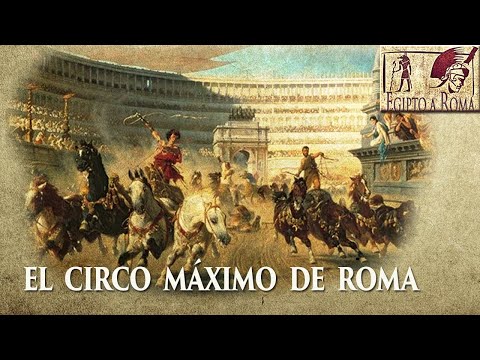
- The Circus Maximus could accommodate over 300,000 spectators, measuring 600 meters long and 200 meters wide; it hosted public executions, gladiatorial combats, and primarily chariot races that captivated all social classes.
- Races featured teams identified by colors (green, white, red, blue), creating intense rivalries among fans who filled every seat to witness thrilling competitions.
Race Dynamics
- Charioteers prepared their horses amidst high tension before races began with a signal from a magistrate dropping a white cloth; this initiated frenzied competition amid roaring crowds.
- The atmosphere was charged as senators engaged passionately while spectators cheered or jeered based on performance; mistakes could lead to catastrophic accidents on track during tight turns.
Conclusion of Races
History of the Circus Maximus
The Use and Legacy of the Circus Maximus
- The Circus Maximus was utilized for public events, including races, until the mid-6th century AD. It served as a venue where crimes could go unpunished, reflecting its significance in Roman society.
- In the 15th century, excavations revealed obelisks buried seven meters deep. By the 1930s, efforts were made to clear the area for public use, leading to significant archaeological discoveries.