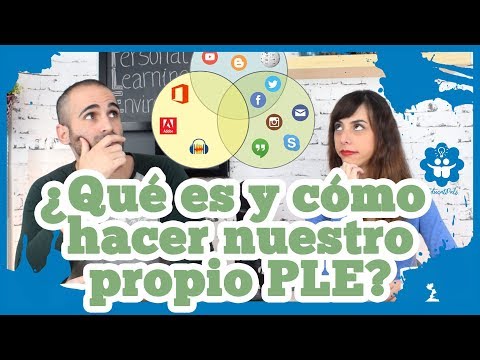
¿Qué es y cómo hacer nuestro propio PLE?
What is a Personal Learning Environment (PLE)?
Introduction to PLE
- Salva and Rosa introduce the video, focusing on creating a Personal Learning Environment (PLE).
- The individual is central to their learning process, which evolves based on personal and professional needs.
Definition of PLE
- According to Adell and Castañeda, a PLE consists of tools, information sources, connections, and activities that individuals regularly use for learning.
- A PLE is not just about isolated applications but involves maximizing the use of information and communication technologies.
Components of PLE Tools
- Atwell identifies three cognitive processes in using tools: reading, reflecting, and sharing.
- Accessing Information: Blogs, wikis, social networks, news.
- Creating and Editing Information: Office programs and audiovisual editing software.
- Connecting with Others: Social media platforms like Twitter or video conferencing tools.
Steps to Create Your Own PLE
Identifying Learning Topics
- Start by identifying themes you want to develop in your learning journey based on personal or professional needs.
Resource Gathering
- Seek out necessary tools, resources, or information sources that will aid in your learning objectives.
Building Your Network
- Establish your Personal Learning Network (PLN), sharing knowledge with relevant individuals through social media accounts or blogs. Consistency in usernames across platforms is advised for clarity.
Examples of Resources Used in PLE
Types of Resources
- Examples include:
- Information Access: Google, Wikipedia, social media platforms like YouTube.
- Creation Tools: Microsoft Office suite, Adobe products for various editing tasks.
- Connection Tools: Social networks such as Twitter and Facebook; communication via Skype or email.
Impact of PLE on Learning
Benefits of Using a PLE
- Utilizing multiple resources enhances efficiency within one's personal learning environment.
- This approach transforms students into active participants in their education while allowing them to personalize their learning experiences according to their unique needs.
Conclusion