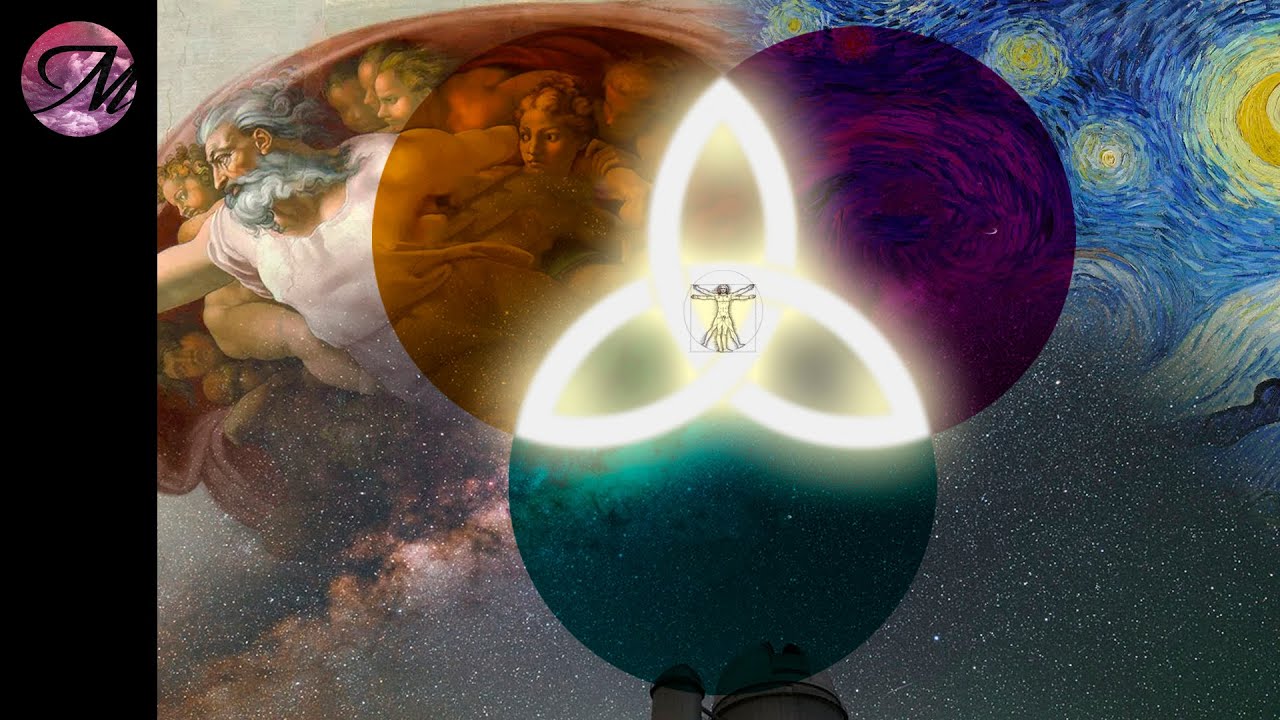
¿De qué trata la vida?
What is Life: A Game or a Story?
The Nature of Life
- The speaker poses a philosophical question about whether life is a game or a story, suggesting that looking back makes it seem like a narrative while looking forward presents it as a game.
- Life is described as having an unpredictable nature when viewed from the present, contrasting with the fixed outcomes of past events.
Observing vs. Playing
- The speaker argues that life isn't merely a series of games but rather an overarching tournament where one must navigate various challenges.
- Emphasizes the importance of observation in understanding life, stating that telling stories without knowledge leads to falsehood.
Reality and Perception
- Introduces the idea that life consists not just of atoms but stories, questioning what is truly real and how memories can be unreliable.
- Discusses the fallibility of memory and perception, illustrating this with examples that challenge sensory experiences.
Mathematics and Existence
- Asserts confidence in mathematical truths (e.g., 2+2=4), suggesting they provide certainty amidst uncertainty in other areas.
- Reflects on personal thought processes as evidence of existence, referencing Descartes' famous assertion "Cogito, ergo sum" (I think, therefore I am).
Philosophical Inquiry
- Questions who originally claimed ownership over thoughts and introduces Descartes’ contributions to philosophy regarding self-awareness.
- Highlights the limitations of language in conveying reality and emphasizes skepticism towards perceived truths.
The Evolution of Scientific Thought
Transition from Philosophy to Observation
- Discusses how thinkers transitioned from asking "why" to focusing on "how," exemplified by Galileo's discoveries about celestial bodies.
Key Figures in Science
- Mentions Isaac Newton’s unification of gravitational forces across different phenomena, showcasing his impact on physics.
Understanding Matter and Life
- References John Dalton's atomic theory explaining chemical diversity through combinations of basic elements.
Understanding the Universe: From Electromagnetism to Quantum Physics
The Unification of Physical Phenomena
- James Clerk Maxwell and other physicists unified diverse phenomena like lightning, radiation, and magnetism under the term electromagnetism.
- A careful analysis of stars revealed that they primarily consist of helium and hydrogen, similar to elements found on Earth.
The Nature of Matter
- Physicists identified that all matter is composed of three basic components: protons, neutrons, and electrons.
- Modern ontology suggests that particles are excitations in a quantum field that permeates the universe with varying probabilities.
Wave Function and Reality
- The wave function mathematically represents all possible states of a physical system until it collapses into one state.
- Despite scientific explanations, personal experiences challenge the perception of reality; emotions like love cannot be reduced to mere chemical reactions.
Science vs. Human Experience
- There exists a divide between the objective world described by science and subjective human experience; naturalism posits only one observable world governed by natural laws.
- Richard Feynman noted that anyone claiming to fully understand quantum theory is either lying or delusional due to its complexity.
Limitations of Scientific Observation
- As we approach fundamental ontology, we often drift away from sensory human experience; describing reality at atomic levels becomes impractical.
- Everyday language fails to encapsulate reality's complexities; for instance, detailing the atomic structure of food would take an impractical amount of time.
Emergence and Perception
- Our senses are emergent properties derived from fundamental ontology; while they help us navigate reality, they do not define it.
- Philosophical views such as Buddhism suggest everything is interconnected yet can lead to nihilistic interpretations without empirical validation.
Consequences of Reductionist Views
- Claiming humans are merely collections of atoms can lead to existential dilemmas when faced with pain or suffering in life.
- While fundamental particles exist independently in quantum fields, our understanding must also account for emergent phenomena like chemistry and biology.
Observational Framework in Astronomy
- We describe celestial bodies (like planets orbiting the sun), but these descriptions rely on established frameworks rather than absolute truths about existence.
Understanding the Nature of Existence
The Complexity of Describing Life
- It is impractical to describe every atom in a gas; instead, we refer to organs, tissues, and cells when discussing living beings.
- The speaker critiques the notion of "quantum healing," arguing that it confuses macro-level phenomena with quantum mechanics.
The Role of Language and Poetry
- Important human concepts like justice, morality, beauty, and truth arise from our subjective experiences rather than naturalistic explanations.
- Language is essential for making sense of the past and navigating an uncertain future; it allows us to predict outcomes based on current conditions.
Determinism vs. Chaos
- While the universe operates under deterministic laws, it also exhibits chaotic behavior due to sensitivity to initial conditions (the butterfly effect).
- Free will exists within this deterministic framework; however, even minor errors in understanding can lead to vastly different outcomes.
Life as a Game: Finite vs. Infinite
- Living in uncertainty resembles playing games where each action has consequences; stories help us learn from past decisions.
- There are two types of games: finite (with defined rules and objectives) and infinite (focused on continuous play).
Rules and Freedom in Games
- Finite games have limitations set by time, space, and player actions; players must adhere to these rules voluntarily.
- Changing rules mid-game alters the nature of the game itself; consistency is crucial for maintaining its integrity.
Democracy and Player Roles
- A self-proclaimed democracy loses legitimacy if it acts against the people's will; valid rules require voluntary adherence from all players.
- Different roles within a game may have varying privileges (e.g., goalkeepers can use hands), highlighting disparities among players.
Infinite Games: Adaptability and Creativity
- Infinite players do not concern themselves with when their game started or its end; they focus on ongoing participation.
- Rules in infinite games evolve continuously to keep engagement alive while accommodating more participants.
Challenges Faced by Players
- External factors such as fatigue or hostility threaten creativity in infinite gameplay; designing adaptable rules is essential for sustainability.
Understanding Finite and Infinite Games
The Nature of Winning and Losing
- In finite games, losing equates to elimination; players make every move to win or delay defeat, feeling compelled by the game's nature.
- Victory is essential for meaning in life; extreme cases like slavery show that disobedience can lead to dire consequences, yet individuals choose to play despite the risks.
Acceptance of Roles and Self-Deception
- Players willingly accept their limitations within the game, leading to self-imposed boundaries that obscure their voluntary participation in oppression.
- To perform convincingly, players must fully embody their roles, as noted by George Bernard Shaw's perspective on acting—viewing characters as real people rather than actors.
The Illusion of Legitimacy
- The legitimacy of roles (like kings or YouTubers) comes from societal acceptance rather than divine right; this affects our lives significantly due to our consent in allowing them to play these roles.
- This self-deception creates a paradox where one can forget their true identity while enforcing it against others who challenge it.
The Contrast Between Finite and Infinite Players
- Finite players take their roles seriously but are ultimately bound by the rules they impose on themselves; infinite players view roles as masks without denying their true selves.
- For infinite players, there are no absolute hierarchies—only humans playing various parts. Their approach requires a level of seriousness designed to shield against unpredictable outcomes.
Embracing Surprise and Transformation
- Infinite players engage with others directly without rigid role constraints; they thrive on surprise which keeps the game alive and dynamic.
- In finite games, surprise signifies past triumph over future possibilities; experienced players prepare meticulously to avoid surprises while infinite players welcome them as part of growth.
Education vs. Training
- Finite training focuses on mastering past experiences for victory, whereas education fosters continuous self-discovery and adaptation towards an uncertain future.
Understanding Power and Freedom in Finite vs. Infinite Games
The Nature of Titles and Power
- The speaker discusses the significance of titles, suggesting that they require acknowledgment of past victories, as seen in reverence for figures like the Dalai Lama.
- It is emphasized that power becomes irrelevant once a game begins; historical titles do not guarantee success in ongoing challenges.
- The concept of "infinite players" is introduced, who focus on continuous play rather than clinging to past achievements or titles.
Strength vs. Power
- A distinction is made between power (control over others) and strength (the ability to allow freedom within a game).
- Accepting authority can lead to a loss of personal strength, equating obedience with slavery while reflecting the superiority of the master.
Life Choices and Sacrifices
- The idea that individuals often sacrifice their present lives for future gains is explored, paralleling biblical references about life and death.
- This sacrifice manifests in various forms such as adhering to diets or laws, where present discomfort is traded for future benefits.
Perspectives on Death and Existence
- Finite players view life as a competition with death as punishment for failure; this creates an existential contradiction regarding living fully.
- In contrast, infinite players accept mortality as part of existence, allowing them to live more fully by contributing to ongoing games beyond themselves.
Community and Interconnectedness
- Identity is framed through relationships; one’s selfhood emerges from interactions with others within a community context.
- Engaging in societal roles requires collaboration with many others, highlighting the necessity of collective participation in any endeavor.
Politics and Freedom
- Infinite players organize into cultures and societies but reject limiting political ideologies that constrain human interaction.
- True freedom comes from transcending societal limits rather than conforming to political structures; it emphasizes human agency over imposed regulations.
Ideology vs. Human Experience
- Infinite players possess a politics devoid of rigid ideology; they adapt rules fluidly to enhance human interaction rather than restrict it.
The Nature of Freedom and Storytelling
The Illusion of Freedom
- The concept of "autoimpuestos" suggests that individuals perform a serious theater for an audience, believing they are free while lacking the language to express their own lack of freedom.
- Today's games and roles depend on historical narratives; without these stories, societal structures like kings, presidents, and influencers lose context.
Contradictory Narratives
- Competing narratives exist about poverty: one claims it is a choice, while another attributes it to oppression. Both perspectives reinforce the role of the 'poor' in society.
- Telling a coherent story about the past is challenging due to its complexity; events can seem chaotic and random, making meaningful storytelling difficult.
The Power of Storytelling
- A compelling story resonates deeply with people, making them remember it not just for its characters but for its underlying truths.
- Objective facts alone do not create impactful stories; instead, it's the emotional connection and significance behind those facts that matter.
Historical Context and Connection
- Understanding historical figures like Majorian requires recognizing their symbolic representation rather than just factual details about their lives.
- Stories shape our identity and inform our actions; they have transformative power over individuals' lives.
Myths and Truth in Fiction
- Humans have been sharing stories for millennia as a means to understand behavior patterns; gossip serves as a social glue that enhances survival.
- News outlets often present selective truths shaped by biases rather than objective realities. Fiction can convey deeper truths than news reports.
Interpretation of Truth
- Fictional narratives can reveal profound insights into ideologies and human behavior that transcend mere factual reporting.
- Joseph Campbell's idea posits myths as gateways through which cosmic energy enters human culture, emphasizing subjective interpretation over absolute truth.
Shared Humanity Through Stories
- Personal accounts from history illustrate shared experiences among adversaries—like soldiers during wartime—highlighting common humanity despite conflict.
History and Human Experience
The Importance of Learning from History
- The speaker emphasizes the necessity of learning from history to avoid repeating past mistakes, suggesting that while history does not repeat itself, human behavior often does unless lessons are learned.
- Acknowledges the complexity of human history, comparing it to natural laws where patterns emerge from numerous interactions, leading to predictable outcomes.
Patterns in Nature and Society
- Discusses how chemical interactions become predictable over time, paralleling this with societal behaviors that reveal patterns through shared experiences and storytelling.
- Highlights the transitionary nature of life; individuals start with potential but gain experience as they age, ultimately passing on the responsibility of societal adaptation to future generations.
The Role of Myths and Stories
- Explores humanity's relationship with myths and stories as essential for understanding existence; if external sources fail to provide meaning, individuals must find it within themselves through dreams.
- Mentions significant contributions from psychoanalysis (Freud and Jung), which illustrate how ancient heroes' narratives persist in modern times but are often fragmented into personal myths.
The Journey Between Order and Chaos
- Describes the hero's journey as a movement between order and chaos; individuals must heed their call to adventure or risk stagnation in a mundane existence.
- Emphasizes that neglecting one's call leads to a loss of purpose, transforming vibrant lives into barren existences devoid of meaning.
Facing Challenges in the Unknown
- Asserts that embarking on adventures expands one’s understanding of the world; each experience brings new challenges that contribute to personal growth.
The Journey from Chaos to Order
The Nature of Chaos and Transformation
- Exposure to chaos, even in small forms like a virus, can threaten life. This chaos alters our perception of reality and transforms us.
- To create order from the unknown, something within us must die; this journey through the underworld represents hitting rock bottom before rising again.
- The secrets for building paradise lie within hell; overcoming its demons allows us to establish delicate order amidst chaos.
- As we adapt our dreams to reality, we find ourselves at the intersection of known and unknown worlds, mastering both realms.
- True transformation occurs when we return home changed; the familiar becomes new as we reconstruct it with insights gained from our adventures.
Embracing Complexity and Uncertainty
- Growth requires venturing into uncertainty; creating order from chaos leads to personal evolution that challenges previous identities.
- The process of becoming a master of both worlds is fulfilling; moments of deep focus allow us to transcend ordinary experiences.
- Engaging in activities outside comfort zones—like gaming or sports—can lead to profound states where time feels irrelevant.
- Learning occurs at the boundary between known patterns and chaotic forces, enabling us to predict outcomes and incorporate hidden wisdom into our understanding.
- Science and art thrive on exploring beyond established competencies, expanding psychological frameworks while engaging deeply with tasks.
The Role of Pleasure and Anticipation
- Experiencing pleasure in this metaphysical space between order and chaos is intrinsic; it does not require justification but serves as a fundamental aspect of existence.
- Reward systems are crucial for motivation; positive reinforcement (like receiving grapes for pressing a lever) illustrates how anticipation drives behavior.
- Introducing variability in rewards heightens excitement—uncertainty enhances dopamine responses more than consistent outcomes do.
- Hope emerges from uncertainty—the thrill lies not just in achieving goals but also in anticipating them, reinforcing engagement with life's challenges.
Understanding Purpose and Responsibility in Life
The Connection Between Daily Actions and Purpose
- The speaker reflects on the significance of small daily tasks, like cooking rice, as a means to connect with one's purpose.
- Preparing food is framed as an act that provides energy for creative endeavors, emphasizing the importance of nurturing oneself to fulfill larger goals.
The Role of Meaning in Human Experience
- A complex naturalistic theory is introduced regarding meaning as a human phenomenon that can guide individuals toward a fulfilling life.
- The speaker expresses a desire to contribute positively to the universe by helping others find order amidst chaos through shared insights.
Tools, Obstacles, and Irrelevance
- Reality is divided into three categories: tools (helpful resources), obstacles (barriers to purpose), and irrelevance (everything else).
- Understanding these categories helps individuals navigate their lives more effectively by focusing on what truly matters.
Choices Between Excess and Sacrifice
- The discussion contrasts excesses (short-term pleasures leading to future pain) with sacrifices (present discomfort for future benefits).
- Examples include indulgences like drinking or smoking versus long-term investments like building a home, illustrating different life philosophies.
Perspectives on Existence
- Two philosophical paths are presented: one viewing existence as unjustifiable leading to excess; the other seeing it as valuable necessitating sacrifice.
- The speaker acknowledges personal experiences but emphasizes that each individual's meaning in life will differ based on unique circumstances.
Sharing Personal Insights Responsibly
- While sharing personal meanings, the speaker stresses not imposing their views on others; everyone must find their own path.
- Vulnerability in sharing personal stories is highlighted, indicating trust in those who resonate with similar experiences.
Community Engagement and Future Projects
- An invitation is extended for community engagement through podcasts and discussions about shared projects aimed at fostering connection.
Political Aspirations and Citizen Engagement
Introduction to Political Intentions
- The speaker criticizes the corruption in politics, highlighting the disparity between wealthy politicians and the general public. They express a desire to form a political party aimed at addressing these issues.
Complexity of Politics
- The speaker reflects on the complexity of politics as an extension of human self-organization, urging those who still have hope to engage in meaningful political action beyond mainstream narratives.
Call for Collaboration
- An invitation is extended for individuals interested in participating in this new political movement, with plans to travel across states to connect with various commissions and promote citizen participation.
Educational Outreach
- The speaker proposes visiting schools to discuss political engagement, framing it as a way to encourage youth involvement rather than mere campaign tactics for votes.
Critique of Economic Systems
- A critique is made regarding the dichotomy presented by economic debates (state vs. market), suggesting that both are part of a coordinated effort that perpetuates poverty while enriching the elite.
Understanding Societal Structures
Labor Laws and Economic Competitiveness
- Discussion centers around government decisions not to enforce labor laws, which compromises workers' rights under the guise of maintaining economic competitiveness.
Human Value vs. Economic Utility
- The speaker argues that when people become mere tools for economic ends, society devolves into one where individuals are enslaved by their roles within an economy designed solely for profit.
Empowerment Through Self-representation
- Emphasizing personal agency, the speaker encourages individuals to represent themselves politically instead of relying on existing structures that fail them.
Plans for Political Education and Action
Training Initiatives
- Plans are outlined for educational initiatives focusing on environmental issues, labor rights, and indigenous peoples’ rights as foundational knowledge before engaging in more complex political strategies.
Campaign Preparation
- There’s an emphasis on preparing citizens for active participation in elections through training on campaigning and public administration ahead of 2024 elections.
Long-term Vision and Technological Integration
Future Plans
- The movement's long-term goals include serious engagement with democratic processes while also developing technology (like an app) aimed at democratizing workspaces.
Cryptocurrency Perspective
- A critical view is taken towards cryptocurrencies; they are seen as tools rather than solutions unless there is fundamental change within individuals first.
Community Engagement and Reflection
Cooperative Models
- The speaker discusses community meetings aimed at creating new economic models through cooperative efforts while expressing gratitude towards supporters involved in these initiatives.
Philosophical Reflections
Poetic Imagery and Reflections on Existence
Nature and Fluidity of Life
- The imagery of nature is vividly portrayed with elements like "a crystal willow" and "a high fountain," suggesting a connection between the natural world and human emotions.
- The text reflects on prophecies and the overwhelming presence of waves, symbolizing continuity and the cyclical nature of life, akin to "green sovereignty without sunset."
- A metaphorical exploration of existence is presented through descriptions such as "body of light" and "transparent body," indicating an ethereal quality to human experience.
Interpersonal Connections
- The speaker navigates through memories and sensations, likening a loved one’s body to various landscapes, emphasizing intimacy with phrases like “your belly is a sunny square.”
- There’s a deep sense of longing as the speaker describes their partner's features in terms that evoke both beauty and vulnerability, such as comparing eyes to water.
Memory and Time
- The narrative shifts towards introspection about memory, where fragmented recollections are collected like pieces from a shattered mirror.
- A sense of loss permeates as the speaker searches for moments that have faded away, illustrating how time can erode even cherished memories.
Identity and Transformation
- The poem introduces themes of identity through references to multiple personas ("you have all faces"), suggesting complexity in understanding oneself.
- Symbolism emerges with comparisons to nature (trees, clouds), indicating how identities are intertwined with external elements.
Existential Reflections
- The text delves into existential musings about life’s transience using metaphors related to fire, jade, and immortality—highlighting the struggle against oblivion.
Exploring the Depths of Memory and Existence
The Nature of Experience
- The speaker describes a profound internal experience, likening it to a fruit maturing inwardly, suggesting a deep introspection that occupies their entire being.
- Time is portrayed as cyclical, with past experiences influencing the present; the speaker reflects on how moments fade yet continue to shape reality.
- Imagery of wounds and water evokes feelings of longing and despair; the speaker's search for solace in another person reveals an emotional struggle against desolation.
Confronting Identity and Memory
- The journey through memory is depicted as labyrinthine, leading to self-discovery amidst pain; the speaker grapples with forgotten identities and lost connections.
- A sense of emptiness prevails as memories are stripped away, leaving only a "long wound," emphasizing themes of loss and existential reflection.
Reflections on Relationships
- The imagery shifts to familial relationships, exploring generational perspectives through eyes that witness life’s cycles; this connection highlights both continuity and separation.
- The metaphorical "black hole" symbolizes buried emotions and memories that haunt the speaker, illustrating how past experiences shape current perceptions.
Dreams and Aspirations
- Dreaming becomes a means of escape from painful realities; the desire for alternate lives underscores a yearning for change amid stagnation.
- Nostalgia surfaces as the speaker recalls specific moments shared with others, blending personal history with broader cultural references.
Conclusion: An Ongoing Journey