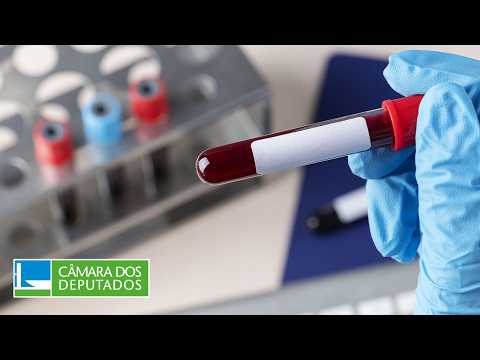
Transplante de medula óssea - Prevenção e Combate ao Câncer - 13/05/2026
Opening Remarks and Agenda Overview
Introduction to the Meeting
- The meeting begins with the approval of the minutes from a previous session, indicating no objections from members present.
- The agenda is divided into two parts: a public hearing on bone marrow transplants and deliberation of requests.
Public Hearing on Bone Marrow Transplantation
Context and Importance
- The public hearing focuses on bone marrow transplantation, fulfilling a decision made by the committee based on request number 53 authored by the speaker.
- The session is being streamed live on YouTube for broader accessibility. Procedures are outlined for efficient management of time during discussions.
Participants Introduced
- Key speakers include Luana Lima from the Brazilian Association of Cancer and Blood (ABRAL), Patricia Freire from the National Transplant System, and several other experts participating remotely.
Insights from Luana Lima
Urgency in Addressing Cancer Treatment
- Luana emphasizes that cancer patients require urgent attention due to the time-sensitive nature of their conditions, advocating for improved legislation to ensure access to new treatments and technologies.
Current Landscape of Bone Marrow Transplants in Brazil
- She highlights that her organization closely monitors issues related to leukemia, lymphoma, and multiple myeloma, stressing ongoing discussions with health authorities about transplant needs.
Data Presentation on Transplants
Statistics and Trends
- Recent data indicates nearly 12,000 bone marrow transplants were performed in Brazil, with public systems accounting for 70% to 80% of these procedures. This positions Brazil as one of the leading countries in transplantation globally.
Strategic Importance of TMO
- Bone marrow transplants (TMO) are described as not only complex but also crucial for advancing oncology care within Brazil's healthcare system while being cost-effective compared to their benefits in survival rates and quality of life improvements.
Challenges Identified
Infrastructure Issues
- A significant concern raised involves insufficient hospital beds dedicated to post-transplant care across various states, particularly affecting patient recovery environments after procedures like allogeneic transplants where donor cells may attack recipient bodies.
Medication Access Problems
- There are critical shortages reported regarding essential medications such as cyclophosphamide necessary for treatment protocols; this has been an ongoing issue since early in the year despite efforts for emergency procurement through health ministries.
Next Steps Proposed
Collaborative Efforts Needed
- Luana calls for continued dialogue among stakeholders including government entities responsible for social assistance alongside health services to address logistical challenges faced by patients requiring transplants who often need support beyond medical care alone.
Contributions from Dr. Wagner Fernandes
Patient Support Initiatives
- Dr. Wagner discusses his organization's role over more than two decades supporting patients needing bone marrow transplants while emphasizing collaboration with health authorities towards improving systemic responses to patient needs across regions in Brazil.
Perspectives from Dr. Jorge Vas
Historical Context & Current Challenges
- Dr. Jorge reflects on nearly three decades working within hematology emphasizing both achievements in organ transplant coordination yet acknowledging persistent regional disparities impacting service delivery across different areas within Brazil’s healthcare framework.
Final Thoughts by Dr.Ângelo Maiolino
Future Directions
- Dr.Ângelo proposes creating specialized programs targeting specific diseases like multiple myeloma which could streamline processes around autologous transplants without necessitating complex preservation techniques thus potentially increasing overall transplant numbers nationwide.
Discussing the Challenges in Access to Medications and Transplantation
Overview of Medication Shortages
- The issue of medication shortages has been previously addressed, highlighting the need for financing in healthcare.
- Emphasis on the importance of infrastructure improvements and increasing hospital bed availability to address existing bottlenecks.
Achievements in Bone Marrow Donation
- Brazil boasts the largest public bone marrow bank globally, with over 5 million potential donors.
- The pride associated with Brazil's transplant system is noted, alongside support from patient associations to enhance operational viability.
Contributions from Key Figures in Oncology
Recognition of Influential Individuals
- Acknowledgment of Dr. Anjo Maiolino's role as president of the Commission for Combating Cancer and other diseases.
- Discussion on pediatric oncology, emphasizing that childhood cancer is a leading cause of mortality among children and adolescents in Brazil.
Treatment Variations by Age Group
- Highlighting significant differences between treatment protocols for children, adolescents, and adults suffering from cancer.
Initiatives for Pediatric Cancer Care
Development of Specialized Centers
- Dr. Bruneto's efforts towards establishing a specialized center for pediatric cancer care in Montes Claros are recognized.
Importance of Collaboration
- Introduction by Dr. Adriana Seb, who emphasizes collaboration within various medical societies focused on pediatric oncology and bone marrow transplantation.
Addressing Unique Needs in Pediatric Transplants
Establishment of Reference Centers
- Advocacy for creating reference centers dedicated to pediatric transplants due to distinct needs compared to adult patients.
Focus on Serious Illnesses
- Noted scarcity of dedicated centers treating severe illnesses affecting children across Brazil.
Improving Access to Medications Post-Treatment
Need for Timely Access
- Stressing the importance of quick access to both old and new medications post-transplantation.
Long-term Care Considerations
- Highlighting necessary follow-up care focusing on cardiac health, vascular health, and endocrinological issues after cancer treatment.
Recognition and Emotional Impact
Acknowledging Efforts
- Recognition given to professionals working tirelessly towards improving pediatric oncology care; emotional responses noted during discussions about these challenges.
Differentiating Approaches Between Adult and Pediatric Cancer
Urgency for Change
- Critique regarding outdated approaches toward treating childhood cancers compared to adult cancers; calls for immediate recognition and action highlighted.
Contributions from Health Authorities
Engagement with Health Officials
- Appreciation expressed towards health officials contributing significantly to public health initiatives related to pediatric oncology treatments.
Complexity Surrounding Bone Marrow Transplants
Understanding Transplant Procedures
- Discussion around complexities involved in bone marrow transplants requiring structured support systems due to their high complexity nature.
Solidarity Among Donors
- The Brazilian population shows strong solidarity with nearly 6 million registered voluntary bone marrow donors supporting transplant initiatives.
Historical Context & Future Directions
Evolution Since 1997
- Overview provided about how the National Transplant System was established in 1997 specifically targeting regulation processes surrounding organ transplants including bone marrow procedures.
Expanding Beyond Bone Marrow
- Mention made regarding ongoing work involving other types of tissue transplants such as corneas which have thousands awaiting procedures across Brazil.
Addressing Regional Disparities
Challenges Faced by Different Regions
- Discussion highlights regional disparities within Brazil concerning access to transplant services particularly noting areas lacking authorized centers despite high demand.
Call For Local Action
- Emphasizing that local hospitals must express interest before being authorized by Ministry Health indicating a need for proactive engagement at community levels.
Discussion on Health Care Improvements for Patients
Introduction and Acknowledgments
- The speaker expresses gratitude towards Patrícia for her efforts in advocating for equal treatment of patients requiring health services outside their municipality, particularly those undergoing radiotherapy.
- Recognition is given to Cazum and Vialdberto for their consistent contributions to the committee's work.
Key Proposals and Discussions
- Luana is invited to share her thoughts, emphasizing the importance of participation in a working group focused on cancer care.
- The need for improved access to bone marrow transplants (TMO) for children and adolescents is highlighted as a critical area needing attention.
Collaborative Efforts
- A proposal is made to form a working group with various organizations representing civil society, aiming to address current challenges in healthcare delivery.
- Patrícia's past initiatives are acknowledged, particularly her role in engaging civil society during her tenure in oncology coordination.
Progress and Challenges
- The reopening of a TMO outpatient clinic in Sergipe is celebrated as a significant achievement resulting from advocacy efforts.
- Participants are encouraged to voice any final considerations or clarifications regarding updates on healthcare guidelines.
Importance of Information Dissemination
- Emphasis is placed on the necessity of updating healthcare documents so that they effectively reach and inform patients about available treatments.
Final Remarks from Stakeholders
Contributions from Various Representatives
- Wagner from the Bone Marrow Association expresses appreciation for the creation of a working group dedicated to deepening discussions around patient care.
- Dr. Ângelo Maiolino thanks the committee for its support and emphasizes collaboration within this new working group.
Call for Continued Engagement
- Adriana offers her willingness to participate actively in future discussions, highlighting the potential collaborative efforts ahead.
Recognition of Healthcare Professionals
- Acknowledgment is given to medical professionals involved in transplant procedures, stressing their crucial role in patient care amidst ongoing challenges related to vaccination information dissemination.
Addressing Vaccination Issues Among Cancer Patients
Current Challenges Faced by Patients
- The speaker shares personal experiences illustrating difficulties faced by cancer patients regarding vaccination access before treatment initiation.
Advocacy for Better Communication
- There’s an urgent call for better communication strategies regarding vaccination rights among oncological patients within public health systems.
Ongoing Efforts Towards Improvement
- Continuous advocacy efforts are emphasized as necessary steps toward ensuring that all relevant information reaches patients effectively.
Achievements and Future Directions
Recent Developments
- The implementation of national policies aimed at cancer prevention and control is recognized as a significant milestone achieved through collective effort.
Future Goals
- Plans are discussed regarding upcoming initiatives such as mobile health units providing essential services across regions, showcasing proactive measures taken by health authorities.
This structured summary captures key insights from the transcript while linking back directly to specific timestamps, facilitating easy navigation through important discussions.