How Transformers Make Electricity Work for You
Understanding Transformers: The Unsung Heroes of Electricity
What is a Transformer?
- A transformer is a device that changes the voltage of electricity, either stepping it up (increasing) or stepping it down (decreasing) to ensure efficient transmission and safe usage.
- Without transformers, electricity would lose energy over long distances, making it impossible to effectively send power from plants to homes.
How Do Transformers Work?
- Transformers operate on the principle of electromagnetic induction, discovered by Michael Faraday. An alternating current (AC) through a coil creates a changing magnetic field that induces voltage in another nearby coil.
- A basic transformer consists of three main components:
- Primary Coil: Where electrical energy enters.
- Core: Made of iron or magnetic material, amplifies the magnetic field.
- Secondary Coil: Induces new voltage based on the primary coil's magnetic field.
Types of Transformers
- Power Transformers: Large units at substations handling high voltages for long-distance transmission.
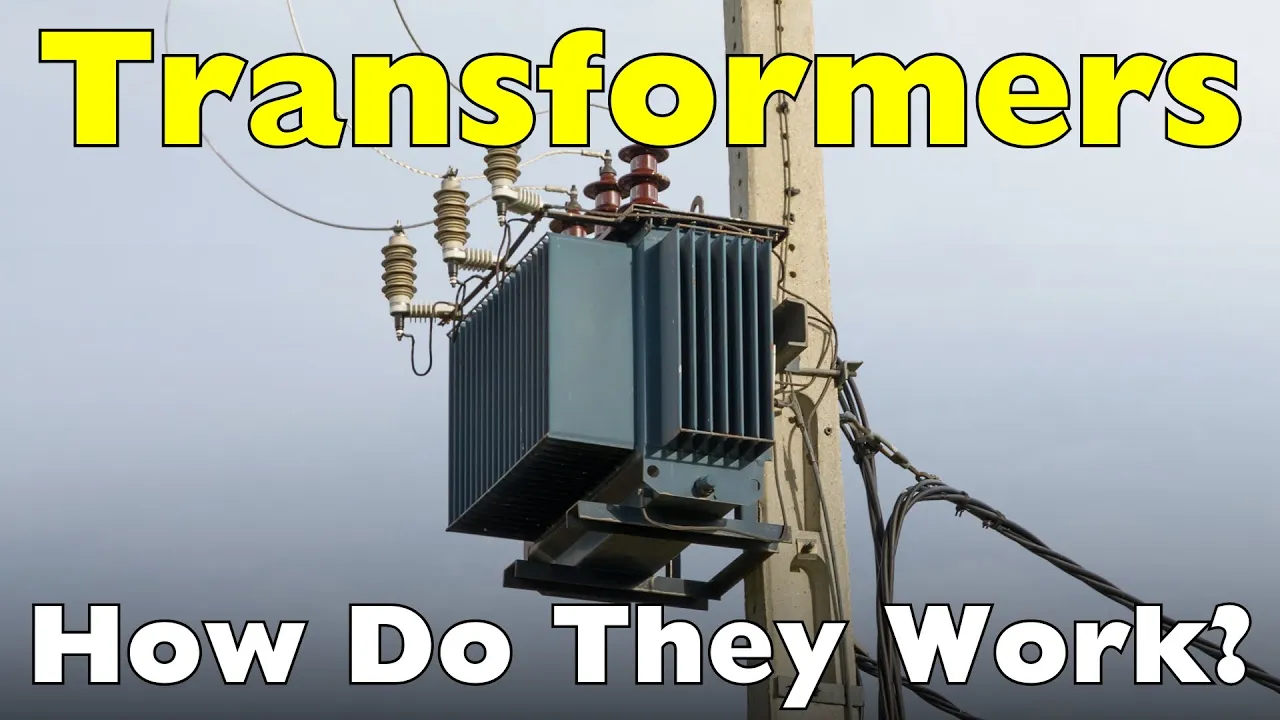
- Distribution Transformers: Found on utility poles; they step down high voltage for safe delivery to homes and businesses.
- Isolation Transformers: Used for safety by separating circuits to prevent electric shocks or interference.
- Instrument Transformers: Monitor voltage and current levels in power systems for measurement and protection purposes.
- Auto Transformers: Use a single winding to adjust voltage levels more efficiently than traditional transformers with separate coils.
Importance of Transformers
- Efficient power transmission is crucial as high-voltage electricity loses less energy over distance; transformers facilitate this process by adjusting voltages accordingly.
- They ensure electrical appliances receive appropriate voltage levels, enhancing safety and usability in homes and businesses.
- Transformers help maintain grid stability by regulating power distribution, preventing overloads and blackouts essential for industrial applications like manufacturing plants and hospitals.
Conclusion