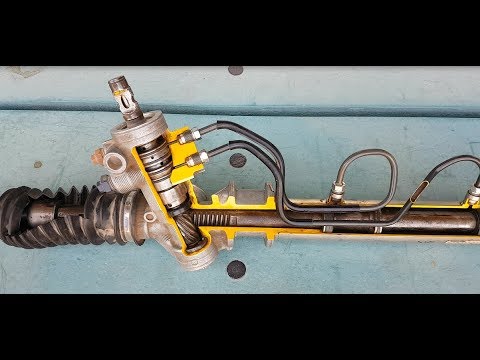
Power Rack and Pinion Steering System
Understanding Power Rack and Pinion Steering Systems
Components of the Steering System
- The power rack and pinion steering system consists of several key components, including the steering column, outer case, high-pressure lines, rotary valve, rack, upper pellets, ball gun, tie rods, and tie rod ends.
- The mechanical part includes the rack and tie rods that connect to the wheel hub. The hydraulic part involves the pump and fluid lines that assist in steering.
- A significant advantage of this system is its dual functionality; if there is a failure in the hydraulic system (pump or fuel lines), the mechanical parts still allow for control over steering.
Working Mechanism of the System
- When the driver rotates the steering wheel, this motion is transferred through the steering column to a rotary valve connected to high-pressure lines.
- Hydraulic oil from a pump flows into chambers within a retrieval mechanism when turning the wheel. This pressurized fluid directs movement based on which direction is indicated by the driver's input.
- As fluid enters one chamber while exiting another due to changes in pressure from turning left or right, it moves the steering rack accordingly. This action translates into movement at the wheels via tie rods and knuckles.
- The inlet and outlet functions of these hydraulic lines are dynamic; they switch roles depending on whether fluid needs to enter or exit based on steering direction.
Conclusion