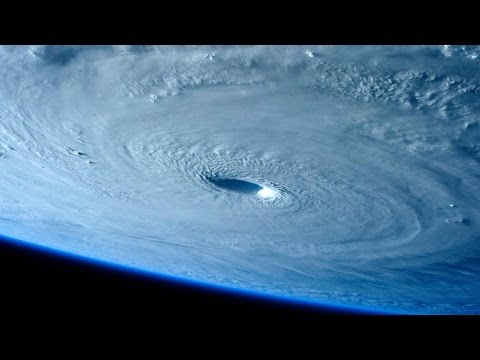
The Earth's Biggest Super Typhoon
Typhoon Haiyan: The Formation of a Superstorm
Understanding Typhoons and Their Formation
- Typhoons are hurricanes that form in the northwestern Pacific Ocean, characterized by explosive storms with torrential rain and strong winds.
- The region north of Australia has some of the warmest waters on Earth, creating ideal conditions for typhoon formation. By late October 2013, 14 typhoons had already formed in this area.
Initial Development of Typhoon Haiyan
- Eight days before landfall, Haiyan begins as a tropical depression with wind speeds under 30 mph near Micronesia. The Joint Typhoon Warning Center monitors these systems to protect U.S. military assets.
- On November 1st, forecasters track a weak disturbance south-east of Pompey Island, noting favorable conditions for storm development due to warm ocean temperatures.
Intensification and Forecasting Challenges
- As the storm system grows, it benefits from warm ocean water and good circulation. Forecasters predict significant growth within 24 hours.
- The first alert is issued on November 3rd when wind speeds exceed 25 knots (30 mph). However, there remains uncertainty about the storm's intensity.
Rapid Strengthening into a Super Typhoon
- By November 4th, Haiyan intensifies into a typhoon with sustained winds over 65 knots (75 mph), rapidly increasing in strength.
- Within the next day, it reaches super typhoon status at 130 knots (150 mph), comparable to notorious hurricanes like Katrina and Andrew.
Impact on Vulnerable Regions
- Haiyan targets the Philippines—a nation with over 7,000 islands and high population density—making it particularly vulnerable to natural disasters despite being newly industrialized.
- Many Filipinos live in precarious conditions; while accustomed to typhoons, they underestimate Haiyan's potential severity due to its rapid intensification.
Atmospheric Conditions Favoring Storm Growth
- Residents initially perceive the approaching storm as normal; however, atmospheric conditions are ideal for strengthening.
- Low wind shear allows warm air to rise efficiently through the eye of the storm without disruption.
Peak Intensity Observations
- High-altitude winds create suction effects that draw more warm air into the storm’s base, enhancing its power significantly.
- As Haiyan reaches peak intensity, atmospheric pressure drops dramatically—potentially rivaling historical records set by previous super typhoons.
Typhoon Haiyan: Understanding Its Devastating Impact
Dual Channel Outflow and Storm Intensity
- The phenomenon of dual channel outflow at high altitudes enhances storm growth, allowing the system to breathe better and intensify further.
- The Dvorak method is utilized to assess typhoon strength by analyzing cloud structure; a Dvorak number of 808-0 indicates wind speeds of 170 knots (195 mph), marking it as one of the most powerful storms recorded.
Peak Strength and Warnings
- On November 7th, Typhoon Haiyan reached its peak strength with visible satellite images showing the eye of the storm, indicating winds reaching their maximum intensity.
- The Philippine weather service issued a storm signal 4, the highest warning level, but many residents remained unaware of the impending danger due to calm weather conditions.
Preparations and Initial Reactions
- Coastal residents began preparations too late; they covered belongings with plastic but were still unprepared for the storm's severity.
- Forecasters noted that Haiyan was unusually consistent in maintaining its intensity while traversing warm waters, unlike typical tropical cyclones that fluctuate in strength.
Landfall and Immediate Effects
- Typhoon Haiyan made landfall on November 8th at 4:40 AM, unleashing catastrophic winds up to 200 mph, leading to widespread destruction as homes could not withstand such force.
- Residents described terrifying experiences as debris flew through the air; some sought shelter in local churches amidst overwhelming winds and rain.
Aftermath and Survival Challenges
- As homes were destroyed, families improvised ways to protect themselves from relentless elements; survivors faced extreme conditions without adequate shelter or resources.
- In Tacloban City, medical staff rushed patients to safer areas within hospitals as storm surges posed new threats alongside intense winds—surge heights reached up to 20 feet.
Understanding Storm Surge Dynamics
The Devastating Impact of Super Typhoon Haiyan
The Storm Surge and Its Immediate Effects
- The storm surge from Super Typhoon Haiyan creates an unprecedented situation, with water rapidly approaching critical infrastructure like hospitals, putting patients in grave danger.
- Witnesses describe the floodwaters as thick and black, contrasting sharply with earlier clear waters; efforts to move patients to safety are hindered by the rising tide.
- Local structures, including a church, suffer severe damage from winds and flooding; individuals find themselves trapped between rising waters and destructive winds.
- Tacloban's geographical location contributes to the extreme height of the storm surge, as shallow bays amplify water levels due to funneling effects.
- Strong onshore winds exacerbate flooding in typically safe areas during storm surges, highlighting the paradox of perceived safety in such locations.
Speed and Scale of Destruction
- The rapid onset of Haiyan's storm surge is particularly deadly; unlike previous storms that gradually increased water levels, this surge arrives almost instantaneously.
- Comparisons are made to Hurricane Sandy's slower rise over 24 hours versus Haiyan’s 20-foot surge that strikes within minutes, likening it to a tsunami.
- Survivors near the coast face immediate peril as homes are destroyed by rushing waters; accounts detail how quickly floodwaters can rise from ankles to neck depth.
- Eyewitnesses recount terrifying experiences as waves inundate them unexpectedly; children cling for safety amidst chaotic conditions caused by fast-moving water.
Wind Patterns and Their Role in Flooding
- Shifting wind patterns play a crucial role in the speed of the storm surge; initial offshore winds temporarily push water away before reversing direction causes rapid influx back into bays.
- This phenomenon results in what is termed a "negative storm surge," where water is initially displaced before being violently forced back into coastal areas.
Human Impact and Response
- In Tacloban hospital settings, staff utilize floating mattresses for patient rescue amid overwhelming flood conditions; panic ensues among patients as they struggle against strong currents.
- Descriptions illustrate chaos within medical facilities as belongings float away like paper due to intense flooding—emphasizing unpreparedness for such catastrophic events.
Aftermath: Casualties and Misunderstandings
- The combination of fierce winds and massive storm surges leads to significant loss of life; survivors express disbelief at the scale of destruction they faced during Haiyan.
- Twenty hours post-landfall reveals extensive devastation across numerous islands in the Philippines—over 6,000 confirmed dead with thousands more missing or displaced.
Typhoon Haiyan: A Catastrophic Event and Its Aftermath
The Impact of Typhoon Haiyan
- During the typhoon, three families remained in Tacloban, experiencing a devastating storm surge that destroyed their homes and separated them from family members, resulting in significant loss of life.
- Predicting the intensity of typhoons at landfall is challenging due to complex variables such as storm track and wind speed, complicating accurate forecasts.
- Storm surge models rely on coastal geography and wind conditions; rapid changes during powerful typhoons make precise predictions extremely difficult.
- Tacloban was severely affected by Typhoon Haiyan; even slight shifts in future storm tracks could lead to different outcomes regarding storm surges.
Immediate Response and Relief Efforts
- In the aftermath of Haiyan, many survivors faced dire conditions with no access to water, food, or shelter; remote areas experienced delays in receiving essential aid.
- Aid began arriving shortly after airports reopened, with cargo planes delivering high-energy biscuits, rice, water, and other supplies from the U.S. military.
- A strike group consisting of nine ships and 7,000 personnel was deployed to distribute 300 tons of aid across affected islands.
- Military logistics played a crucial role in reaching isolated communities quickly; they focused on urgent needs for food, water, shelter, and medical supplies.
Long-term Recovery Challenges
- The immediate response involved rescuing those in life-threatening situations while ensuring survival for those who had endured the initial impact.
- After several days post-disaster relief efforts transitioned from military to non-governmental organizations focusing on long-term recovery strategies.
- Initial logistical challenges included damaged infrastructure like airports and roads clogged with debris; however, once operational systems were established aid efforts expanded significantly.
Climate Change Considerations
- As rebuilding commenced questions arose about potential links between climate change and extreme weather events like Typhoon Haiyan.
- While Typhoon Haiyan was not directly caused by global warming, rising temperatures may have intensified its effects due to increased energy available for storms.
- There is consensus among scientists that climate change impacts storm intensity rather than frequency; understanding this relationship remains an ongoing area of research.
Scientific Consensus on Climate Change
Climate Change and Hurricanes: A Growing Threat
The Connection Between Climate Change and Storm Intensity
- Increased home runs serve as a metaphor for the rising intensity of hurricanes, suggesting that while specific storms may vary, the overall trend points towards more severe weather events due to climate change.
- Warmer ocean temperatures lead to sea level rise through thermal expansion and glacier melting, increasing the risk associated with storm surges during hurricanes.
- The Philippines has experienced one of the fastest rates of sea level rise in recent decades, making coastal communities increasingly vulnerable to storm impacts.
Vulnerability of Coastal Communities
- Haiyan's storm surge was influenced by wind strength, coastline shape, and underwater terrain; these factors are not unique to developing nations but also affect developed areas like the U.S.
- If a similar powerful storm hit densely populated areas in the southeastern U.S., it could result in catastrophic economic damage due to higher population density and infrastructure.
- Tampa Bay is highlighted as particularly vulnerable due to its geographical features that can funnel water into urban areas, potentially leading to devastating storm surges.
Historical Context and Future Risks
- Historical hurricane patterns show that certain tracks can lead to significant storm surges; Tampa Bay has experienced such events before and is likely at risk again.
- Many homes in vulnerable areas lack adequate flood defenses; expensive properties are often built too close to waterfronts without sufficient seawalls or protections against major flooding events.
Global Implications of Rising Sea Levels
- Hundreds of millions globally face risks from coastal flooding exacerbated by rising sea levels; this highlights the urgent need for preparedness in vulnerable communities.
- The aftermath of Typhoon Haiyan illustrates severe humanitarian crises resulting from natural disasters, with millions displaced—more than those affected by past tsunamis.
Personal Accounts from Disaster Zones
- Survivors recount harrowing experiences post-Haiyan; initial signs of recovery were misleading as many were actually recovering bodies rather than fishing.
- Eyewitness accounts reveal profound emotional impacts on individuals witnessing loss firsthand amidst efforts for recovery and relief after catastrophic storms.
Typhoon Aftermath: Struggles and Resilience
The Immediate Impact of the Typhoon
- Paulo's family was spared, but their city transformed into a disaster zone, highlighting the severe consequences of natural disasters.
- Many neighborhoods became unrecognizable; residents in developing countries often have no choice but to live in high-risk coastal areas despite the dangers.
Personal Stories of Loss and Survival
- Carlito Arias experienced profound loss as he struggled to hold onto his children during the storm surge, illustrating the emotional trauma faced by survivors.
- After the storm, Carlito searched for his children and relatives, ultimately finding their bodies and having to bury them himself with limited resources.
Community Response and Reconstruction Efforts
- The burial process was expedited due to circumstances; victims were laid to rest together without traditional embalming or coffins.
- The typhoon's unprecedented intensity was attributed to a combination of favorable conditions that devastated communities already vulnerable due to socio-economic factors.
Rebuilding Lives Amidst Destruction
- Survivors like Georgina Bulasa are attempting to rebuild using whatever materials they can find, reflecting resilience despite financial constraints.
- Nurse Paolo Pardia is actively helping those affected by setting up temporary medical centers amidst flooded hospitals, showcasing dedication in crisis situations.
Hope and Spiritual Resilience
- The Philippine government estimates reconstruction costs at around $8 billion; key industries such as agriculture and fishing suffered significant losses.
- Despite overwhelming challenges, community members express determination to stay and rebuild their homes rather than relocate elsewhere.
Faith as a Source of Strength
- Father Hector emphasizes the importance of faith within the community; even without basic necessities, people strive to maintain spiritual practices like mass.