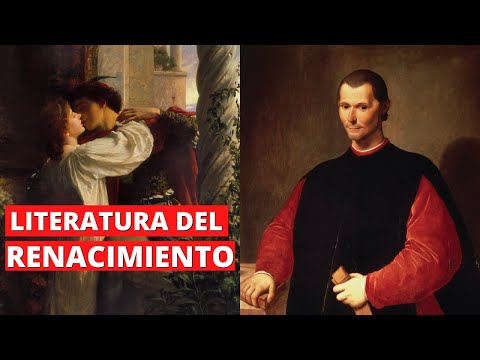
¿Qué es la Literatura del Renacimiento y cuáles son sus características? Autores y temas frecuentes📝
Renaissance Literature Overview
This section provides an introduction to Renaissance literature, discussing its development during the fifteenth and sixteenth centuries in Europe.
Development of Renaissance Literature
- The Renaissance was a cultural phenomenon in Europe during the fifteenth and sixteenth centuries, influencing various aspects of society.
- Intellectuals of the time aimed to revive knowledge from classical Greece and Rome, shifting from religious dogmatism to humanism.
- Notable authors of this period include Machiavelli, Shakespeare, Miguel de Cervantes, and Moliere, who produced significant works like "The Prince" and "Don Quixote."
Historical Context of Renaissance Literature
This section delves into the historical context surrounding Renaissance literature, highlighting key events that shaped this literary period.
Transition from Middle Ages to Renaissance
- The fifteenth century marked a transition from the Middle Ages to the Renaissance due to events like the fall of Constantinople and the discovery of America.
- Humanism emerged as a central philosophy during this period, emphasizing reason and placing man at the forefront.
Socio-Cultural Changes in Europe
This part explores significant socio-cultural transformations in Europe during the sixteenth century that impacted art, culture, and societal structures.
Socio-Political Evolution
- Feudalism declined in the sixteenth century with monarchies gaining centralized power.
- Discoveries like America broadened horizons for individuals and societies while boosting trade activities.
Characteristics of Renaissance Literature
Here we examine key characteristics that defined Renaissance literature, focusing on themes such as anthropocentrism and stylistic elements prevalent in literary works.
Key Literary Features
- The Renaissance era embraced an anthropocentric vision by elevating human beings over religion in societal importance.
Renaissance Literature Overview
This section provides an overview of Renaissance literature, highlighting key themes, genres, and notable authors of the period.
Literary Themes and Genres
- In the Middle Ages, literature focused on educating readers in religion, while Renaissance literature aimed to convey emotions and enhance understanding of human nature.
- The introduction of the enunciator in Renaissance literature allowed for direct communication with readers to explain stories. Love was a central theme, exemplified by works like "Romeo and Juliet."
- Nature played a significant role in Renaissance works, with landscapes evoking emotions and inspiring new literary genres like bucolic or pastoral poetry.
Influence of Classical Antiquity
- The Renaissance sought to revive Greco-Latin antiquity in literature, incorporating mythological characters from Greece and Rome into works such as "Los Lusíadas."
- Novels of chivalry were popular in Renaissance literature, narrating the adventures of knights-errant like those depicted in "Orlando furioso" and "Don Quijote de la Mancha."
Social Criticism and Religious Themes
- Authors critiqued societal injustices in works like "El Lazarillo de Tormes," reflecting on inequalities and vices prevalent during that era.
- Literature also engaged with religious themes amidst the Protestant Reformation, exploring topics such as religious power in works like "In Praise of Madness" and "Utopia."
Notable Authors of the Renaissance
This section highlights key authors who made significant contributions to Renaissance literature.
Key Authors
- Niccolò Machiavelli: Known for his work "The Prince," Machiavelli's political studies have had a lasting impact on history, shaping concepts like Machiavellianism.
- Erasmus of Rotterdam: A prominent humanist advocating for Church reform through works like "In Praise of Madness," Erasmus influenced social and philosophical thought.
- Molière: A French playwright renowned for satirical plays reflecting societal realities through caricatures in works such as "The Miser" and "The Imaginary Patient."
Shakespeare and Cervantes
- William Shakespeare: Celebrated for his universal themes across various genres including tragedies like "Macbeth" and comedies such as "A Midsummer Night's Dream."