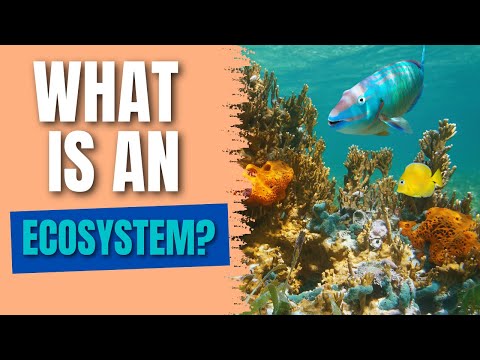
What is an Ecosystem? | Populations, Communities, Abiotic & Biotic Factors
Fascinating Animal Facts and Ecosystem Dynamics
Unique Animal Characteristics
- Butterflies possess receptors in their feet that allow them to taste, with taste buds 200 times stronger than humans.
- Some sharks have the ability to glow in the dark.
- Koalas can sleep up to 20 hours a day.
Understanding Populations and Communities
- A population consists of all members of one species that can reproduce and live in the same area, such as white-tailed deer in a forest.
- A community is formed by two or more species living together, like various organisms found in White River National Forest, Colorado.
Ecosystems: Living and Non-Living Components
- Ecosystems include both biotic (living things like animals and plants) and abiotic (non-living things like rocks, air, water) elements.
- Organisms within ecosystems are interdependent; they rely on each other for survival.
Energy Flow in Ecosystems
- Most energy enters ecosystems through sunlight; plants convert this energy into food via photosynthesis.
- Producers (like plants), consumers (herbivores, carnivores, omnivores), and decomposers (bacteria and fungi) play crucial roles in energy transfer within ecosystems.
Types of Consumers
- Herbivores consume plants for energy; examples include butterflies, koalas, and horses.
- Carnivores primarily eat other animals; examples include sharks, lions, and snakes.
- Omnivores eat both plants and animals; examples include grizzly bears, monkeys, and humans.
The Role of Decomposers
- Decomposers break down dead organisms to recycle nutrients back into the ecosystem.
- Non-living components such as water and sunlight are essential for organism survival within an ecosystem.
Summary of Key Concepts
- Populations consist of one species living together; communities involve multiple species interacting.
- Ecosystems comprise biotic factors (living organisms like plants and animals) and abiotic factors (non-living elements).