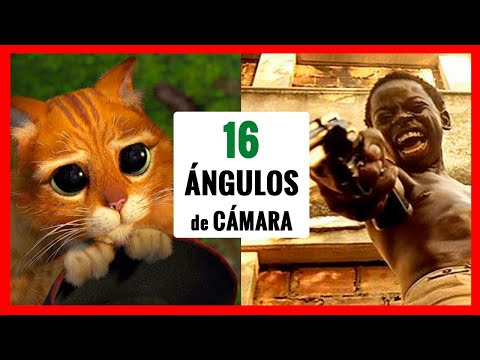
ÁNGULOS DE CÁMARA en fotografía y VÍDEO 📷 Lenguaje del cine
Understanding Camera Angles in Photography and Video
In this video, the speaker discusses the importance of camera angles in photography and videography, highlighting how different angles can impact the perception of subjects and objects in images.
Camera Angle Basics
Normal Angle: Positioned at eye level, providing a neutral view.
High Angle (Picado): Shot from above, diminishing subject size to convey weakness or fragility.
Low Angle (Contra Picado): Captured from below, emphasizing power and authority.
Bird's Eye View (Cenital): Overhead shot offering a powerful perspective.
Nadir Angle: Shot from below to magnify grandeur.
Viewing Perspectives
Frontal Angle: Directly facing the subject for a straightforward view.
Dorsal Angle: Showing the subject from behind, creating mystery and engaging viewer imagination.
Profile/Lateral Angle: Side view that may evoke distrust due to limited facial visibility.
Oblique/Skewed Angle: Adds depth by positioning at a 45-degree angle.
Dutch/Angle Aberration: Tilted angle inducing instability often used in thriller genres.
Unique Angles and Perspectives
Reflection/Indirect Angle: Utilizing mirrors or reflective surfaces for unique viewpoints.
Subjective Perspective (POV): Seeing through a character's eyes for immersive storytelling.
Video description
MÁSTER ONLINE DE GUION LITERARIO 👉 https://cursos.aprendercine.com/?mtm_campaign=Youtube&mtm_kwd=angulos-de-camara
✅ ¿Conoces TODOS los ÁNGULOS de CÁMARA en fotografía y vídeo?
Después de haber visto los tipos de plano, continuamos con nuestro curso de lenguaje cinematográfico para seguir indagando en el arte de la dirección cinematográfica.
En este vídeo vamos a ver hasta 16 ángulos de cámara distintos. Algunos de ellos se suelen enseñar como tipos de plano según el ángulo, pero en realidad deberían llamarse ángulos cinematográficos.
Por ejemplo, el plano escorzo es un ángulo escorzo, y el plano holandés o aberrante es ángulo aberrante, porque no se refiere al tamaño del encuadre. Lo mismo sucede con los términos plano picado, plano contrapicado o plano cenital.
Te dejo aquí los códigos de tiempo del vídeo:
0:00 Intro
1:13 ÁNGULOS SEGÚN ALTURA DE CÁMARA
1:14 Ángulo normal
1:37 Ángulo picado
1:52 Ángulo contrapicado
2:02 Ángulo cenital
2:23 Ángulo nadir
2:34 ÁNGULOS SEGÚN PUNTO DE VISTA
2:41 Ángulo frontal
2:49 Ángulo dorsal
3.06 Ángulo lateral o de perfil
3:18 Escorzo
3:30 Ángulo semidorsal
3:45 Ángulo HOLANDÉS o Plano ABERRANTE
4:14 ÁNGULO REFLEJO
4:24 PDV o PLANOS SUBJETIVOS
4:39 Plano semisubjetivo (over the shoulder)
4:50 Plano objeto
5:07 PLANO AÉREO
👇MÁS VÍDEOS👇
Para seguir aprendiendo sobre lenguaje audiovisual, te recomiendo estos vídeos:
👉 Tipos de planos según el tamaño
https://youtu.be/WsCETCsKkGE
👉 Movimientos de cámara cinematográficos
https://youtu.be/iN0rf5vUfxc
👉Cómo hacer un guión técnico
https://youtu.be/e6DzBapSXXI
🎥Qué hace un DIRECTOR de FOTOGRAFÍA?
➡ https://www.youtube.com/watch?v=_li2M0Emxz8&list=PL7545mJXWOw9z208m_GNM6UU_YzCKmhQu&index=1
👇Cómo se hizo la película PARASITE👇
➡Análisis de guión de Parasite (Parásitos): https://www.youtube.com/watch?v=3XBpKlH0SL0&list=PL7545mJXWOw-7m10C2sPr4hkCZv2ZC0Fq
➡Cómo se escribió el guion de Parasite: https://www.youtube.com/watch?v=PbhAGdnv2yg&list=PL7545mJXWOw-7m10C2sPr4hkCZv2ZC0Fq&index=2
➡Diseño de producción y dirección de arte: https://www.youtube.com/watch?v=kJqji_Cubxk&list=PL7545mJXWOw-7m10C2sPr4hkCZv2ZC0Fq&index=3
➡Cómo dirige actores y hace la puesta en escena Bong Joon-ho: https://www.youtube.com/watch?v=HsZjeugCSaM&list=PL7545mJXWOw-7m10C2sPr4hkCZv2ZC0Fq&index=4
➡Dirección de fotografía de Hong Kyung-pyo en Parasite: https://www.youtube.com/watch?v=KNydThDlSic&list=PL7545mJXWOw-7m10C2sPr4hkCZv2ZC0Fq&index=5
➡Montaje, postproducción y música de Parasite: https://www.youtube.com/watch?v=1duybTDkAnQ&list=PL7545mJXWOw-7m10C2sPr4hkCZv2ZC0Fq&index=6
✍️CURSO DE GUIÓN DE CINE✍️
➡Los 6 pasos para escribir un guion de cine: https://youtu.be/U9XodE-rxe0
➡Cómo tener ideas originales: https://youtu.be/iOe9h9bD66s
➡Cómo escribir una sinopsis: https://youtu.be/P9FXYCTYCH4
➡Cómo hacer una escaleta de guión: https://youtu.be/mXX6CITNivE
➡Cómo crear personajes interesantes: https://youtu.be/NB4fNqJXxTQ
➡Estructura de tres actos en un guion de cine: https://youtu.be/2qiB7gsLFUY
➡El formato de guion literario: https://youtu.be/MYoopQsKz58
➡Recursos narrativos para atrapar a la audiencia: https://youtu.be/2sj8gecwe7E
➡Cómo registrar un guión: https://youtu.be/IbXFIcWW8Dw
➡Análisis de guión de Parasite (Parásitos): https://youtu.be/3XBpKlH0SL0
🎥CURSO DE DIRECCIÓN DE CINE🎥
➡Diferencias entre escena, secuencia, plano y toma: https://youtu.be/8M2AvxsnP7o
➡Qué hace un director de cine: https://youtu.be/QXrEuC4aR7k
➡Cómo llegar a ser director de cine: https://youtu.be/JyGYVhyYbH4
➡10 consejos de Akira Kurosawa: https://youtu.be/a36F9x8r_2U
RECURSOS GRATIS PARA ESTUDIAR CINE
➡10 RECURSOS GRATIS para aprender cine: https://youtu.be/0sRaNaJebZw
COMUNICACIÓN AUDIOVISUAL
➡20 años después, hablamos de nuestra carrera: https://youtu.be/HyTcGZMziZg
👇Cómo se hizo la película PARASITE👇
➡Análisis de guión de Parasite (Parásitos): https://youtu.be/3XBpKlH0SL0
➡Cómo se escribió el guion de Parasite: https://youtu.be/PbhAGdnv2yg
➡Diseño de producción y dirección de arte: https://youtu.be/kJqji_Cubxk
➡Puesta en escena y dirección de actores: https://youtu.be/HsZjeugCSaM
➡ Dirección de fotografía de Parasite: https://youtu.be/KNydThDlSic
➡ Edición y postproducción de Parasite: https://youtu.be/1duybTDkAnQ
__
Descubre cientos de artículos sobre CÓMO HACER CINE en Aprendercine.com, la web de los cineastas autodidactas y la formación audiovisual gratuita.
📽👉 https://aprendercine.com/
=========================================
👉MI EQUIPO DE GRABACIÓN👈
https://aprendercine.com/comprar
=========================================