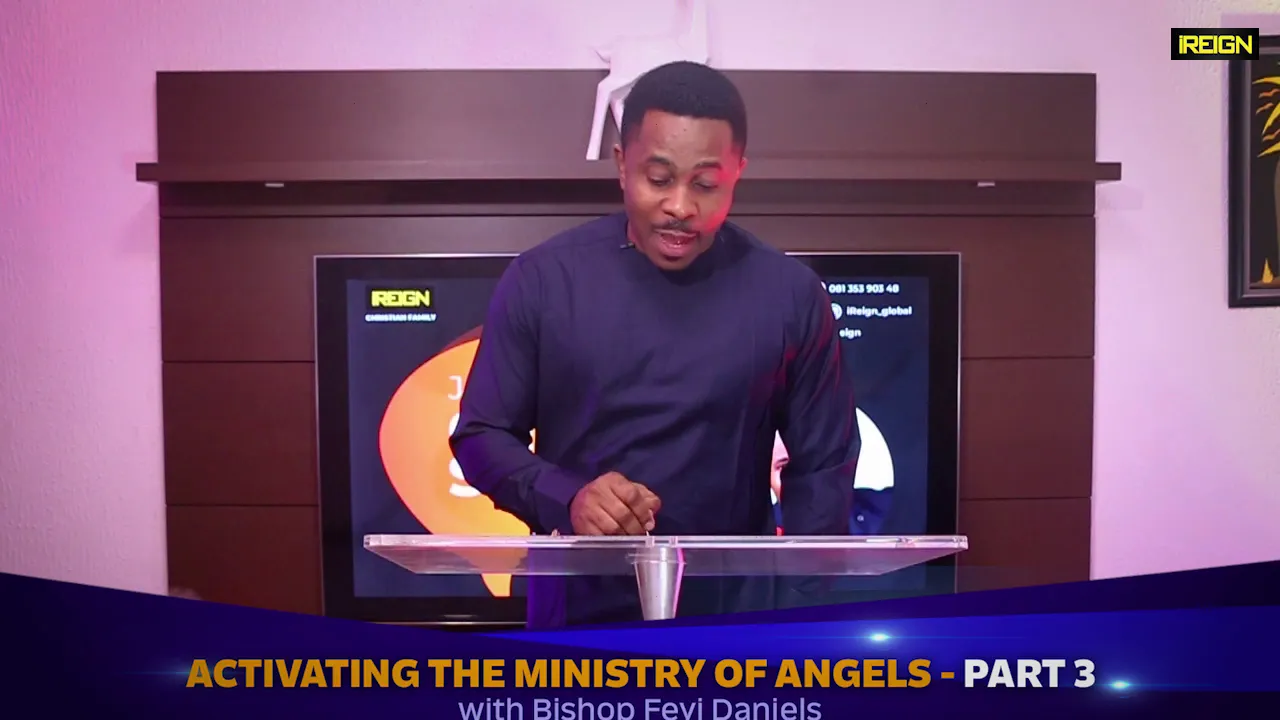
ACTIVATING THE MINISTRY OF ANGELS ( Part 3) with Bishop Feyi
Activating the Ministry of Angels
Introduction and Prayer
- The speaker opens with a declaration of glory to God, emphasizing the importance of God's Word in bringing light and understanding.
- A prayer is offered for enlightenment through scripture, aiming to dispel ignorance and foster understanding.
Understanding Angels as Ministering Spirits
- Reference to Hebrews 1:14 highlights that angels are ministering spirits sent to serve those who will inherit salvation.
- The speaker clarifies that "those who will inherit salvation" refers to all men, indicating God's desire for universal salvation.
The Role of Angels
- Emphasizes that angels are sent not just for spiritual matters but also to serve practical needs, akin to waiters in a restaurant.
- Cites Luke 4:11 where angels ministered to Jesus after his temptation, suggesting they provide physical sustenance.
Believers and Their Angels
- Discusses the relationship between believers and their angels, stating both exist in the same spiritual territory.
- Highlights that while all men have angels, not all are aware or engaging with them effectively.
Engaging with Angelic Assistance
- Notes that believers have dominion over created spirits including angels; this dominion should be actively engaged.
- Points out that angels excel in strength and efficiency compared to humans, making them valuable allies when activated properly.
Common Misunderstandings About Angels
- Warns against having "jobless" angels—angels present but not actively engaged due to lack of believer's invocation or awareness.
Understanding the Role of Angels and Their Purpose
The Nature of Heaven and Worship
- The speaker reflects on the joy of singing in heaven, emphasizing a continuous worship experience that is integral to their understanding of the afterlife.
- Questions about angels arise, leading to an exploration of their role in worshiping God, as depicted in scripture.
- Discussion includes historical perspectives on angelic activity before biblical times, suggesting that such occurrences were documented for future generations.
Angels and Their Creation
- The speaker notes that while angels are seen as protectors, their primary purpose is to serve God; this service has evolved over time.
- Emphasis is placed on studying the Bible not just as a storybook but as a guide for living and understanding spiritual truths.
Insights from Scripture
- Reference to Psalm 148 highlights that angels praise God, reinforcing their role as worshippers created by Him.
- A pivotal question posed by a spiritual mentor challenges the notion of angels being solely for God's glory; it suggests they were made for humanity's benefit.
The Relationship Between God and Angels
- The speaker grapples with the paradox of angels worshipping God while also being created for man’s sake, prompting deeper theological reflection.
- Clarification is provided regarding God's self-existence; He does not require angels or any creation to define His existence.
Creation Through Christ
- Colossians 1:15–17 is cited to illustrate that all things were created through Jesus Christ, including both visible and invisible entities like angels.
- It’s emphasized that everything exists because of God; without Him, nothing would exist. This underscores the interconnectedness between creation and divine will.
Purposeful Existence of Angels
- The discussion continues on how all beings find meaning in fulfilling their assigned roles given by God.
- An analogy compares God's creation of angels to hiring a bodyguard—angels exist primarily to serve humanity under God's directive.
Understanding the Throne of God and Its Significance
The Concept of the Throne of God
- The throne of God symbolizes authority and rulership, akin to a king issuing commands from his throne.
- In Scripture, the "right hand" of God represents a position of power; it is not merely anatomical but signifies divine authority.
- The right hand is described as a throne where Jesus sits until His enemies are made His footstool, indicating His ultimate dominion.
Biblical References to Authority
- The concept that man was created for this position but fell short due to disobedience is emphasized; only Jesus ascended to this authority.
- Philippians states that Jesus has been given a name above all names, reinforcing His supreme authority linked with the throne of God.
Revelation Insights
- Revelation describes a vision where John sees a book in God's right hand, sealed with seven seals, highlighting divine secrets and decrees.
- A lamb resembling one slain stands before the throne, symbolizing Jesus' sacrifice and role in redemption.
Worship and Authority
- All creation worships Him who sits on the throne and the Lamb (Jesus), illustrating their centrality in heaven's hierarchy.
- The act of worship reflects acknowledgment of Jesus’ sacrifice for sin and triumph over evil forces.
Man’s Role in Creation
- Angels worship a man (Jesus), emphasizing humanity's significant place within creation; Adam represents not just an individual but an entire race.
- Understanding man's role helps contextualize angels' service; they were created to assist humanity rather than dominate it.
Activities and Functions of Angels
- Angels perform various tasks such as delivering messages, executing judgment, and providing guidance through visions.
- They have shown miraculous abilities like shutting lions' mouths or assisting prophets like Elijah during critical moments.
Engaging with Angelic Ministry
Understanding the Ministry of Angels
The Role of Angels in Spiritual Battles
- The speaker emphasizes the importance of faith in understanding angels and their role in spiritual battles, suggesting that they can fight both spiritual and physical battles on behalf of believers.
- Some individuals are comfortable with a protective view of angels, while others believe in deeper interactions, such as communicating or sending angels on missions.
- The speaker encourages those seeking a more profound experience with angels to engage actively rather than remain passive.
Engaging with Angels
- To effectively engage with angels, one must first truly believe in their existence and purpose as protectors assigned by God.
- Involving angels in prayers is crucial; the speaker suggests praying for their assistance using Jesus' name as a command for action.
- A practical example is provided: asking God to send ministering angels for protection during daily activities.
Consciousness and Its Impact
- The concept of consciousness is introduced as an individual's awareness shaped by thoughts, memories, feelings, sensations, and environmental factors.
- The speaker explains how thoughts lead to memories which influence feelings and create an overall atmosphere that affects one's consciousness.
Shaping Your Thoughts
- It’s highlighted that individuals have the power to change their thoughts consciously rather than being controlled by pre-existing programming or experiences.
- Changing thoughts can significantly impact memory formation; memories consist of events shaped by what one thinks about regularly.
Biblical Example: Jacob's Awareness
- A biblical reference is made to Jacob from Genesis who was unaware of God's presence until he had a dream that opened his eyes to his surroundings.
Encountering the Divine: Insights from a Spiritual Journey
The Nature of Spiritual Encounters
- The speaker reflects on a dream that signifies a profound spiritual encounter, describing it as a place of divine presence and awe.
- A preacher's words resonate with the speaker, emphasizing God's omnipresence in specific locations, which are described as "portals" to heaven.
- The narrative includes references to biblical figures like Jacob, who experienced divine encounters without initially recognizing their significance.
Awareness and Sensitivity to Spiritual Realms
- The speaker discusses how distractions can lead individuals away from spiritual awareness, using an example of someone forgetting spiritual truths due to worldly influences.
- Emphasizing the importance of being conscious of one's surroundings, the speaker notes that Jacob was unaware of his proximity to the "gate of heaven."
- It is highlighted that many miss out on divine encounters due to lack of sensitivity or awareness about their environment.
Recognition and Response to Divine Invitations
- The speaker warns against dishonoring divine encounters by failing to recognize them; this lack of recognition can lead one away from blessings.
- Acknowledging dreams and visions is crucial; ignoring them may result in missed opportunities for growth and connection with God.
Creating Consciousness Through Thought
- The concept that consciousness can be shaped through intentional thought is introduced, referencing Philippians 4:8 as guidance for focusing on positive attributes.
- Key virtues such as truthfulness, nobility, purity, and loveliness are emphasized as focal points for meditation and thought cultivation.
Transformative Power of Meditation
- The speaker encourages listeners not to limit their thoughts to past pains or negative experiences but instead focus on uplifting ideas that foster personal growth.
- By meditating on positive aspects and God's word, individuals can cleanse their hearts from negativity and doubt.
- This practice leads to creating one's own consciousness aligned with divine purpose.
Engaging with Thoughts Through Scripture
- When faced with negative thoughts or challenges, responding with scripture is encouraged; this reinforces faith and shapes future outcomes positively.
- The act of replying with God's word transforms thoughts into memories that shape life experiences.
Understanding Consciousness and Spirituality
The Role of Memory and Feelings in Identity
- The speaker emphasizes the interconnectedness of memory, feelings, and identity, suggesting that experiences shape who we are.
- There is a call to focus on positive thoughts and affirmations, highlighting their importance in creating a loving and pure mindset.
Living According to Spirit vs. Flesh
- A reference to Romans 8:6 illustrates the dichotomy between living according to flesh versus spirit; one's lifestyle influences thought patterns.
- The speaker argues that a life focused on spiritual matters leads to a more profound consciousness compared to one filled with worldly distractions.
Creating an Environment for Spiritual Growth
- To engage with spiritual entities like angels, one must cultivate a consciousness rich in uplifting words rather than negative influences.
- An example is given about how negative words can linger in our minds, affecting our self-perception and emotional state.
The Power of Words
- Words have the power to create feelings; thus, choosing what we say is crucial for shaping our consciousness.
- Speaking God's Word consistently can transform thoughts into reality, reinforcing the idea that language shapes experience.
Engaging with Scripture for Empowerment
- The Bible serves not just as literature but as a tool for creating meaningful experiences; it encourages active engagement rather than passive reading.
- Hebrews 13:5–6 highlights the importance of speaking affirmatively about God’s promises as a means of empowerment against fear.
Understanding Angels' Role
- Reference to Hebrews 1:14 clarifies that angels serve those who will inherit salvation, emphasizing their protective role.
Angels and Consciousness: Understanding Divine Protection
The Role of Angels in Our Lives
- The speaker reflects on the presence of angels since childhood, emphasizing their role in protecting individuals from harm as stated in Psalm 91:11.
- It is asserted that angels are assigned to prevent accidents and ensure safety, highlighting the importance of declaring this truth through scripture.
- A discussion on the nature of angels reveals they are powerful beings capable of traveling great distances, reinforcing their divine purpose.
Creating a Godly Environment
- Reference to Hebrews 12:22 illustrates the concept of coming to a heavenly city filled with angels, suggesting believers have divine company surrounding them.
- The speaker encourages listeners to let God's word occupy their thoughts consistently, which helps create a positive mental environment against negative influences.
Consciousness and Its Impact
- Emphasizes that individuals can shape their consciousness through the Word of God, gaining an advantage over life's challenges by focusing on spiritual truths.
- The speaker shares personal experiences regarding angelic activity and stresses the need for heightened awareness and consciousness among believers.
Engaging with Scripture
- Listeners are encouraged to actively engage with scriptures about angels to build faith and awareness of their protective presence.
- A call to action is made for believers to declare God's word actively, creating a conscious reality aligned with divine protection.
Conclusion: Living in Faith
- The message concludes with an affirmation that engaging with scripture empowers individuals to experience angelic activities in their lives.