Transcontinental Railroad and the American West
The Construction of the Transcontinental Railroad
The Need for a Transcontinental Railroad
- In the 1850s, trains were the fastest land travel option, but railroad lines did not span the entire United States. Pioneers faced arduous six-month wagon journeys to reach the West.
- President Abraham Lincoln authorized two companies to construct the first Transcontinental Railroad: Union Pacific from Nebraska and Central Pacific from California. Both aimed to meet in the middle.
Challenges Faced by Laborers
- The Central Pacific Railroad encountered significant obstacles as its tracks needed to traverse the Sierra Nevada mountains. Engineers faced daunting challenges, but laborers from Ireland and China performed most of the physically demanding work under harsh conditions.
- Meanwhile, Union Pacific workers advanced on flat plains but encroached upon lands inhabited by various American Indian tribes, including Cheyenne and Arapaho.
Impact on Native Americans
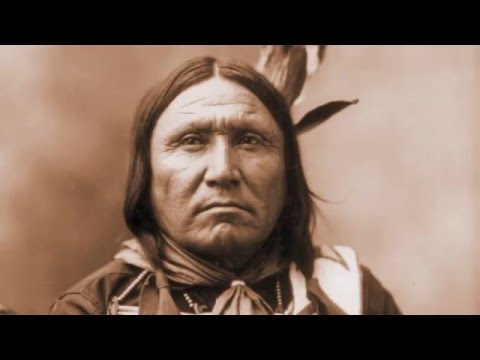
- The U.S. government forcibly removed Native Americans from their lands to facilitate westward expansion. This led to a decline in buffalo populations, which were crucial for Native American sustenance and culture.
- For many Native Americans, railroads symbolized destruction rather than progress; despite resistance efforts against construction, they could not halt America's expansion into western territories.
Historic Milestones in Construction
- As both railroads neared completion at Promontory Summit, Utah, laborers worked tirelessly with increased financial incentives for each mile laid down. Chinese workers notably set a record by laying ten miles of track in one day.
- On May 10th, 1869, the final Golden Spike was driven into place, marking the completion of the world's first Transcontinental Railroad—transforming a six-month journey by wagon into just seven days by train.