Aula 04 - Calendário Vacinal
Introduction to Cleaning and Vaccination Calendar
Overview of Cleaning Procedures
- The module discusses two types of cleaning: concurrent cleaning, which is performed daily, and terminal cleaning, which is more thorough and done periodically.
- Concurrent cleaning involves using a damp cloth with 1% hypochlorite solution for surfaces, starting from the top (bancadas, tables) down to the floor.
- It’s emphasized that sweeping should be avoided as it can stir up dust that may settle on immunobiological products.
- Terminal cleaning should occur every 15 days; however, actual frequency may vary by health unit capabilities.
- Both types of cleaning must avoid sweeping and focus on maintaining cleanliness in vaccination areas.
Conservation of Immunobiological Products
- Proper conservation requires maintaining temperatures between 2°C to 8°C; ideally around 5°C for stability.
- The concept of "cold chain" or "temperature network" is crucial for ensuring vaccine efficacy during storage and transport.
- Various thermometers are discussed: maximum/minimum thermometers with extenders, infrared thermometers, and data loggers for monitoring temperature accurately.
- Data loggers are recommended despite their higher cost due to their reliability in notifying temperature deviations.
Equipment Maintenance
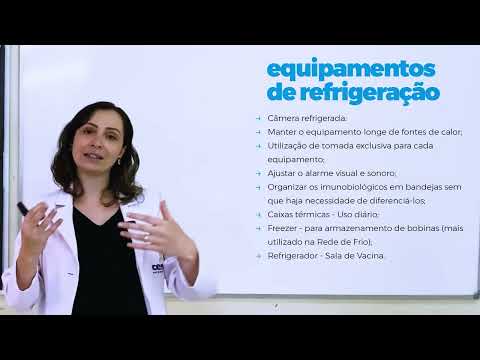
- Refrigerators used for storing vaccines must be kept away from heat sources and have dedicated power outlets to ensure consistent operation.
- Alarms on refrigerators help alert staff if doors are left open or if temperatures fluctuate outside safe ranges.
Understanding the Vaccination Calendar
Importance of Vaccination Schedules
- The National Immunization Program frequently updates vaccination schedules based on new scientific findings; thus, staying informed is essential.
- Different vaccination calendars exist depending on the demographic: children, adolescents, adults, elderly individuals, and pregnant women each have tailored schedules.
Specific Vaccines Discussed
- Newborn vaccinations include Hepatitis B and BCG administered shortly after birth in some maternity hospitals.
- Children follow an extensive schedule requiring multiple visits for various vaccines throughout early childhood.
Special Considerations in Administration
- Timing is critical; there are minimum age requirements for administering certain vaccines. For example, a child arriving slightly early may still receive a vaccine under specific conditions.
Detailed Vaccine Information
Types of Vaccines Covered
- BCG vaccine protects against severe forms of tuberculosis; it’s administered intradermally at birth to create a visible mark indicating successful vaccination.
Additional Vaccines Explained:
- Oral Polio Vaccine (VOP)
- Administered as drops to prevent poliomyelitis through three doses; it's popular among children due to its ease of administration.
- DTP Vaccine
- Protecting against diphtheria, tetanus, whooping cough (coqueluche), this combination vaccine is vital due to the severity these diseases can cause in children.
- Meningococcal Disease Prevention
- Emphasizes the importance of vaccines like those preventing meningitis caused by Haemophilus influenzae type b.
- Yellow Fever Vaccine
- Previously required every ten years but now typically given as a single dose due to updated guidelines reflecting current research findings.
- Triple Viral Vaccine
- Protecting against measles (sarampo), mumps (caxumba), and rubella; highlights symptoms associated with each disease emphasizing their potential severity especially in young children.
Understanding Mumps and Its Effects on Fertility
Overview of Mumps
- Mumps is a viral infection that can lead to infertility in boys by affecting the testicles and in girls by impacting the ovaries, reducing future pregnancy chances.
- The disease is characterized by high fever and swelling of the parotid glands located in the neck.
Hepatitis B Vaccination Protocol
Vaccination Schedule
- The Hepatitis B vaccine is administered at birth followed by three additional doses, with the initial dose acting as a booster.
Symptoms of Hepatitis B
- Hepatitis B can cause symptoms such as malaise, fever, headaches, abdominal pain, and in severe cases, it may lead to death.
Yellow Fever: Risks and Vaccination Guidelines
Endemic Areas
- Individuals who are unvaccinated against yellow fever should avoid endemic areas due to high risk of contracting the disease.
Vaccination Frequency Changes
- Previously administered every ten years, yellow fever vaccination is now given only once for lifelong immunity.
Importance of Cold Chain Management for Immunobiologics
Manual for Cold Chain Maintenance
- A manual outlines procedures for maintaining proper temperature control for immunobiological products to ensure their efficacy.
Standardization Across Facilities
- Consistent guidelines are essential so that all healthcare facilities across Brazil adhere to uniform practices regarding immunobiological administration.
Introduction to PINAB: National Basic Attention Policy
Recent Updates
- The latest updates to PINAB were made in 2017 concerning regulations related to SUS (Unified Health System).
Next Steps
- The next segment will delve deeper into these changes within the context of national health policies.
Turn any video into a summary like this
YouTube links, meetings, lectures. With transcripts, search, and chat.