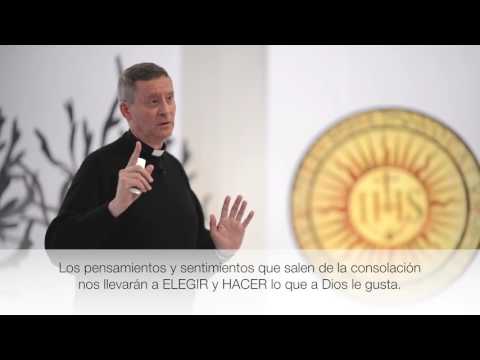
Discernimiento Espiritual - 6. Gerardo Aste, SJ
Desolation and Consolation in Spiritual Discernment
The speaker delves into the concepts of desolation and consolation in spiritual discernment, highlighting how these states impact decision-making and internal reflections.
Understanding Desolation and Consolation
- Ignacio emphasizes the significance of recognizing true consolation from false consolations, guiding individuals to examine the source of their feelings.
- Desolation is described as a state contrary to consolation, characterized by spiritual darkness, attachment to earthly pleasures, agitation, temptation towards infidelity, lack of hope, love, and feeling separated from God.
- In desolation, one feels distant from God, leading to negative thoughts and feelings. Thoughts emerging from consolation are positive while those from desolation tend to be negative and destructive.
Signs of Desolation
- Desolation manifests through discouraging thoughts lacking hope or charity, inclining towards pessimism and criticism. Feelings in desolation involve fear, darkness, and separation from the Creator.
- Fear is highlighted as a common emotion in desolation; Jesus' immediate response to fear is peace. Fear and doubt often accompany desolation while faith affirmation signifies consolation.
Discerning Spiritual States
- Indications of desolation include anguish, impatience, dissatisfaction, emptiness, inner loneliness. Self-awareness aids in distinguishing between states for informed decision-making based on internal movements.
- Internal harmony reflects one's spiritual state; positive thoughts align with consolation while negative ones signify desolation. Observing thoughts and feelings helps identify one's spiritual condition for effective discernment.
Three Bodies Interacting: Physical, Psychological & Spiritual
The speaker discusses the interplay between physical, psychological, and spiritual bodies within individuals emphasizing the importance of nurturing all three for holistic well-being.
Three Interconnected Bodies
- Individuals consist of three inseparable bodies - physical (seen/touched), psychological (personality/behavior), and spiritual (decision-making). These bodies interact closely influencing each other's well-being.
- While physical care involves dieting/exercise/plastic surgeries for appearance maintenance; psychological care focuses on personality/behavioral aspects requiring professional attention for holistic health upkeep.
Significance of Spiritual Body
- The spiritual body plays a fundamental role in decision-making where individuals find purpose/sense of life. Caring for this body brings coherence to life; neglect leads to fractured existence affecting overall well-being.
Spiritual Consolations and Desolations
In this section, the speaker delves into the distinction between psychological and spiritual experiences, particularly focusing on spiritual consolations and desolations. The discussion emphasizes the importance of recognizing these states to make informed decisions aligned with divine will.
Psychological vs. Spiritual Experiences
- Spiritual experiences manifest in our spiritual body, distinct from psychological sensations like depression and euphoria.
- Depressions and euphorias are typical of the psychological body, while consolations and desolations are characteristic of the spiritual body.
Decision-Making in Consolation and Desolation
- Decisions made during consolation often align with God's will, whereas choices in desolation may lead away from it.
- It is advised not to make decisions during desolation as they are likely to be misguided by negative spiritual forces.
Temptations and Decision-Making
- Temptations arise predominantly during desolation rather than consolation, influencing decision-making negatively.
- Understanding one's state of consolation or desolation is crucial before making significant decisions to avoid straying from God's path.
Experiences of Jesus: Consolations and Desolations
This segment explores how Jesus, being both fully divine and human, encountered consolations and desolations throughout his life. By examining specific instances from scripture, parallels are drawn between Jesus' experiences and those of individuals facing similar spiritual challenges.
Jesus' Emotional States
- Jesus experienced both consolations (e.g., deep joy when revealing truths) and desolations (e.g., temptations).
- The presence of temptations does not equate to sin; succumbing to them leads to transgression against God's will.
Desolation and Consolation in Spiritual Life
The discussion revolves around the concepts of desolation and consolation in spiritual life, focusing on how individuals may experience shifts in faith and understanding.
Understanding Faith and Discernment
- Peter professes his belief that Jesus is the Christ, the Son of the living God, showcasing an increase in faith.
- Jesus acknowledges Peter's discernment as a blessing from God, revealing future events to his disciples without explicitly stating his identity as the Messiah.
Desolation vs. Consolation
- Peter's shift from consolation to desolation occurs swiftly when he objects to Jesus' foretelling of his death in Jerusalem.
- Ignatius highlights three reasons for entering desolation: negligence in spiritual practices, testing one's dedication without immediate rewards, and learning humility by not claiming credit for consolations.
Reasons Behind Desolation
Delving deeper into the causes of desolation, exploring Ignatius' insights on spiritual growth through challenges.
Causes of Desolation
- Negligence in spiritual practices leads to desolation as individuals become lazy or indifferent towards prayer and sacraments.
- Desolation serves as a test of devotion, showing one's commitment even without tangible consolations or extraordinary graces.
Learning Through Spiritual Challenges
Reflecting on how challenges aid spiritual growth and deepen one's relationship with God.
Growth Through Challenges
- Analogizing spiritual growth to a child learning to walk, where God guides individuals through periods of desolation to strengthen their faith gradually.
- God removes consolations to prevent prideful attitudes and remind individuals that all blessings come from Him alone.
Navigating Desolation Towards Consolation
Strategies for transitioning from desolation to consolation through trust, patience, and humility.
Transition Strategies
- Recognizing that all consolations are gifts from God helps avoid arrogance during periods of comfort.
Desolation and Consolation in Decision Making
In this section, the speaker discusses the importance of recognizing one's state of desolation or consolation when making decisions to ensure alignment with divine will.
Understanding Desolation and Consolation
- Ignacio emphasizes the ability to resist temptations during desolation by relying on divine grace, even if one does not feel it.
- It is crucial to identify whether one is in a state of consolation or desolation before making decisions to avoid errors.
- Self-examination is recommended to understand one's internal state, as thoughts and feelings are influenced by spiritual conditions.
- Thoughts and feelings reflect our spiritual state; constructive thoughts indicate consolation, while destructive ones signify desolation.
Examination of Conscience for Spiritual Clarity
The speaker introduces the concept of the examination of conscience as a tool for discerning one's spiritual state and making sound decisions.
Importance of Examination of Conscience
- Regular self-assessment through the examination of conscience aids in detecting spiritual states for informed decision-making.