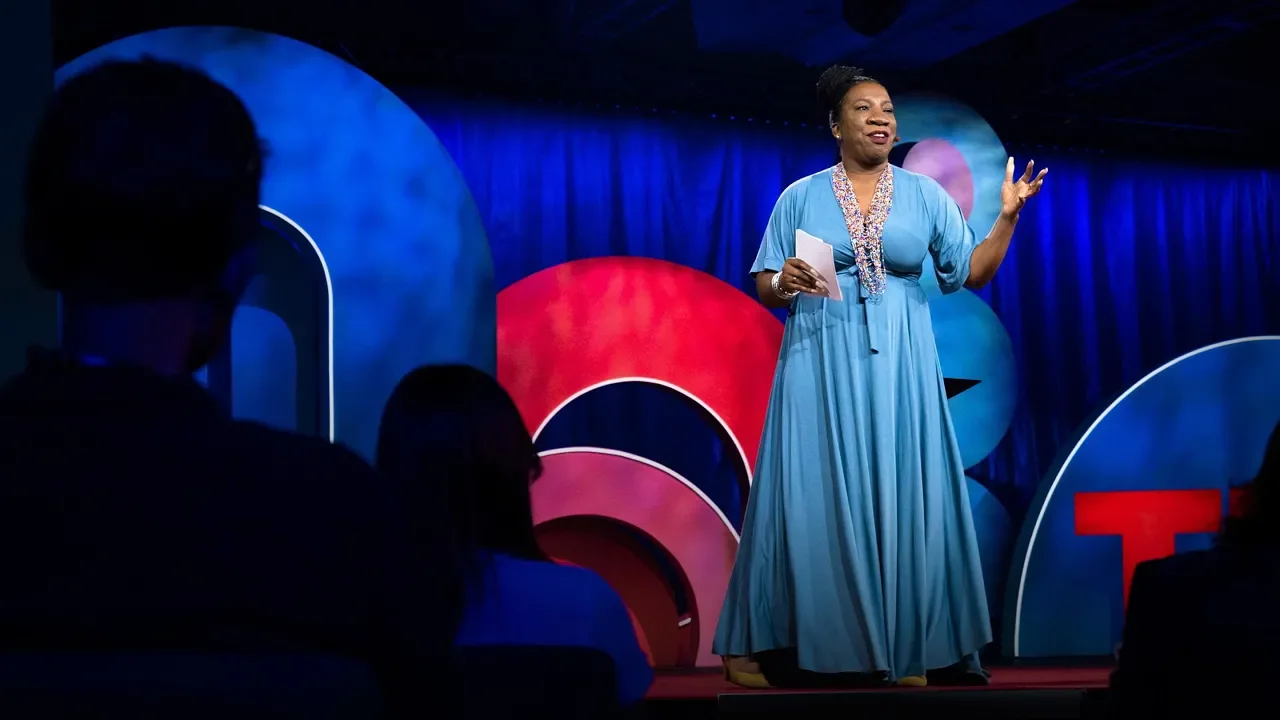
Tarana Burke: Me Too is a movement, not a moment | TED
The Challenge of Speaking at TED
Finding the Right Words
- The speaker has spent months preparing for their TED talk, feeling the pressure to convey their message effectively on such a significant platform.
- Despite having intellectual points about the Me Too movement, they struggle to find an emotional core to connect with the audience.
Personal Struggles and Numbness
- After facing numerous challenges, including public scrutiny and personal attacks, the speaker admits to feeling numb.
- They recount experiences of survivors approaching them after talks, seeking reassurance and support in their shared movement against sexual violence.
The State of the Me Too Movement
Growing Participation
- More individuals are joining the Me Too movement daily, expressing solidarity by saying "Enough is enough."
Disheartening Realities
- The confirmation of a Supreme Court justice with credible accusations against him highlights ongoing societal issues regarding sexual violence.
- Survivors globally face both acknowledgment and vilification; media narratives often focus on perpetrators rather than victims.
Understanding Numbness
Complex Emotions
- Numbness can stem from overwhelming memories or unexpressed emotions rather than simply being devoid of feelings.
- For many survivors, numbness reflects an accumulation of emotions tied to their experiences and struggles.
Collective Impact and Backlash
Societal Conversations
- The Me Too movement has prompted difficult discussions within families and workplaces about previously hidden truths.
Misrepresentation in Media
- Critics frame the movement as a "witch hunt," diverting attention from its original purpose—supporting survivors.
Reclaiming the Narrative
True Purpose of Me Too
- The speaker emphasizes that Me Too is fundamentally about supporting those who have experienced sexual violence, not attacking men.
Acknowledging Vulnerable Groups
- Statistics reveal alarming rates of sexual assault among various demographics, including girls, trans women, indigenous people, and low-wage workers.
Moving Forward Together
Empathy as Power
- The movement embodies collective trauma but also represents a step towards building a better future for all survivors.
Beyond a Moment: A Movement
The Power of Possibility in the Me Too Movement
The Role of Trauma and Movement
- Trauma halts possibility, while movement activates it. Dr. King's quote about justice emphasizes that someone must actively bend the arc toward justice.
- The vision for the Me Too Movement aims to create a world free from sexual violence, necessitating a cultural shift away from viewing vulnerability as permission and recognizing bodily autonomy as a human right.
- Discussions often focus on individual perpetrators rather than systemic issues; power dynamics in relationships (e.g., teacher-student, parent-child) highlight imbalances that need addressing.
Reeducation and Restoration
- There is a need to reeducate society about using power and privilege positively, emphasizing that every person deserves to live with their humanity intact.
- The Me Too Movement also focuses on restoring humanity for survivors, acknowledging that trauma extends beyond the initial act of violence.
Dealing with Trauma
- Survivors should not be compelled to recount their traumatic experiences repeatedly; instead, they should be encouraged to seek joy in their lives.
- External factors like discrediting by leaders or media can exacerbate trauma, making it harder for survivors to find joy.
Personal Reflection on Possibility
- A family story illustrates resilience: Lawrence Ware's journey after emancipation symbolizes belief in possibility despite fear and uncertainty.
- The speaker reflects on being propelled by possibility throughout life, inspired by ancestors who believed in potential.
Building the Future Together
- In 2006, the speaker initiated an action plan titled "Me Too," aiming to foster empathy among survivors and promote healing beyond past traumas.
Turn any video into a summary like this
YouTube links, meetings, lectures. With transcripts, search, and chat.