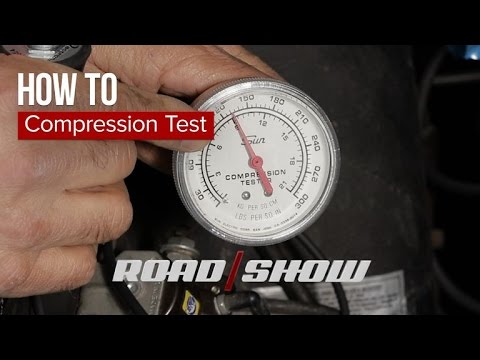
How to do a compression test on your engine
Understanding Engine Compression Tests
The Importance of Compression in Engines
- The engine's cylinders function as pressure chambers; proper sealing is crucial for performance.
- Poor sealing leads to power loss, increased fuel consumption, and potential engine damage due to oil burning and gumming up.
Key Areas Affecting Compression
- Three main areas can cause compression issues: piston rings, valve seats, and the seam between the block and head (often involving a gasket).
- A blown head gasket may not be detectable through a standard compression test but is critical for overall engine health.
Preparing for the Compression Test
- Disable fuel flow by removing the fuse related to the fuel pump to prevent unnecessary gas from entering during testing.
- Disable ignition by either pulling fuses or disconnecting the central wire from the coil to avoid starting the engine.
Conducting the Compression Test
- Use a deep spark plug socket with rubber insulator; attach a compression tester into the spark plug hole after removing it.
- For older cars, use a remote starter; modern cars require manual cranking while ensuring ignition and fuel are disabled.
Interpreting Results
- Record peak pressure readings; healthy engines typically show 100 to 150 psi across all cylinders with minimal variance (10–15%).
- If one cylinder shows low pressure, adding motor oil can indicate if worn piston rings are causing leakage. If no change occurs, valve issues may be present.
Advanced Testing Options
- A compression test differs from measuring compression ratio; for deeper analysis, consider a leak-down test using an air compressor.