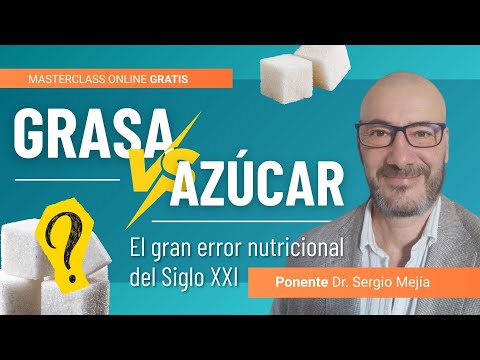
🧠🥑 GRASA VS AZÚCAR: El Gran Error Nutricional del Siglo XXI | Dr. Sergio Mejía
What Has Happened in Nutrition Over the Last 100 Years?
Current State of Nutrition
- The speaker reflects on the last century, questioning current nutritional practices and their effectiveness against rising diabetes rates and cardiovascular diseases.
- Despite expert recommendations, diabetes continues to rise, including type 1 diabetes, while cardiovascular disease remains the leading cause of death globally.
Misconceptions About Dietary Fats
- Many patients express pride in avoiding fats, opting for low-fat breakfasts like whole grain toast and orange juice, unaware of the potential harm.
- Older generations still believe that consuming healthy fats like olive oil is shameful when visiting a cardiologist.
Obesity Trends
- Obesity prevalence has dramatically increased from 15% in 1970 to over 45% by 2020; this correlates with reduced dietary fat intake.
- A significant drop in dietary fat percentage coincides with record obesity levels, challenging previous beliefs about fat consumption.
The Impact of Sugar on Health
Sugar Consumption Concerns
- Starting the day with high-sugar items like orange juice can be detrimental to metabolism and health, especially for diabetics or those with metabolic syndrome.
- Industrial juices can contain up to 15g of sugar per 100ml, contributing significantly to daily sugar intake without awareness.
Fructose Metabolism Issues
- Excess fructose can lead to fatty liver disease (steatosis), increasing triglycerides and promoting abdominal obesity.
- High carbohydrate intake leads to various health issues such as hypertension and renal function problems due to sodium retention influenced by sugar rather than salt itself.
Understanding Nutritional Paradigms
Dominant Nutritional Beliefs
- The prevailing low-fat diet paradigm persists despite evidence suggesting its ineffectiveness; many still believe that eating fat leads to heart disease.
- Historical shifts in dietary guidelines have resulted in an epidemic of obesity and related diseases due to increased refined carbohydrate consumption.
Fuel Preferences: Carbohydrates vs. Fats
- The body requires both glucose and fats as fuel but prefers them under different circumstances; age and activity level influence these needs.
Metabolic Flexibility
Importance of Fat Consumption
- Consuming fats helps hydrate cells internally; understanding this is crucial for effective energy management during fasting periods.
Intermittent Fasting Benefits
- Intermittent fasting promotes fewer meals per day, aligning more closely with historical eating patterns before modern food accessibility became prevalent.
Carbohydrate Energy Dynamics
Energy Production Mechanisms
- Understanding how cells derive energy from carbohydrates versus fats reveals why breaking fast with carbs may hinder weight loss efforts.
ATP Yield Comparison
- Glucose yields less ATP compared to fatty acids during energy production processes; thus, relying on fats is more efficient energetically.
Insulin's Role in Metabolism
Insulin Effects on Weight Management
- High insulin levels inhibit fat burning while promoting storage; managing insulin spikes is essential for effective weight loss strategies.
Conclusion: Rethinking Dietary Choices
- The historical demonization of saturated fats led society towards unhealthy low-fat diets rich in refined carbohydrates resulting in widespread obesity.
¿Qué está pasando realmente en la diabetes tipo 2?
Conceptos básicos sobre la resistencia a la insulina
- La célula no es alérgica a la insulina; se bloquea su entrada cuando está metabólicamente saturada, similar a cerrar la puerta al butanero que trae gas (azúcar) innecesario.
- Cuando hay un exceso de glucosa, las células desarrollan resistencia a la insulina y cierran el acceso, lo que lleva eventualmente al fallo del páncreas y a la diabetes.
Estrategias de tratamiento convencional
- La medicina convencional considera peligrosa la hiperglucemia y responde administrando insulina y otros antidiabéticos para forzar la entrada de glucosa en las células. Esto es una medida urgente pero no debe ser el tratamiento habitual.
- El uso excesivo de medicamentos puede llevar al agotamiento del páncreas, que inicialmente no tenía un déficit de insulina sino un exceso energético que no pudo manejar.
Factores ambientales y resistencia a la insulina
- Metales pesados, inflamación, estrés y tóxicos ambientales bloquean las señales de insulina dentro de las células, fomentando así la resistencia a esta hormona.
- Se propone un enfoque integrativo que incluye ayuno y reducción de grasa visceral como métodos para mejorar el manejo de la diabetes. Antes del uso de insulina, los médicos trataban con ayuno e hidratación.
Enfoques alternativos para tratar diabetes
Ayuno y dieta baja en carbohidratos
- El ayuno prolongado puede ayudar a "vaciar" las células permitiendo que vuelvan a aceptar insulina; esto se complementa con una dieta baja en carbohidratos para reducir inflamación y mejorar control mitocondrial.
- Las respuestas dietéticas pueden variar entre países occidentales y orientales; por lo tanto, es crucial individualizar el tratamiento según cada paciente.
Críticas al paradigma clásico sobre colesterol
- El paradigma clásico sostiene que el LDL elevado causa infartos mediante acumulación arterial; sin embargo, este modelo ha sido criticado por simplificar excesivamente los factores cardiovasculares.
- La arteriosclerosis se considera más bien una enfermedad inflamatoria relacionada con factores metabólicos como resistencia a la insulina y síndrome metabólico en lugar del colesterol LDL solo.
Relación entre obesidad e enfermedades neurodegenerativas
Composición del cerebro humano
- El cerebro humano está compuesto aproximadamente por 60% lípidos; estos son esenciales para funciones neuronales como conducción nerviosa y señalización celular.
Dietas tradicionales vs modernas
- Dietas tradicionales ricas en grasas saludables (mantequilla, aceite de oliva) están asociadas con menor riesgo cognitivo frente a dietas modernas ultraprocesadas que promueven demencia.
Importancia de micronutrientes
Deficiencias nutricionales
- Un alto consumo de grasas sin suficientes verduras puede llevar a deficiencias vitamínicas críticas (vitamina E, C), afectando negativamente la salud general del individuo.
Consideraciones sobre dietas veganas estrictas
- Los veganos estrictos pueden enfrentar problemas serios relacionados con deficiencia nutricional si no equilibran adecuadamente su ingesta alimentaria adecuada para evitar insuficiencia cardíaca u otras condiciones relacionadas con nutrientes esenciales como vitamina B.
Evolución hacia medicina personalizada
Abordaje clínico moderno
- Las patologías crónicas requieren un enfoque personalizado basado en evidencia científica más allá de recomendaciones dietéticas genéricas; esto implica entender cada caso particular meticulosamente durante consultas clínicas complejas.(2736]
Formación continua
- Se enfatiza en programas formativos avanzados diseñados específicamente para profesionales sanitarios enfocados en nutrición aplicada clínica e integrativa.(2785]
The Importance of Nutrition in Clinical Practice
Scientific Basis of Nutrition
- There is fundamental scientific evidence supporting nutrition, rooted in basic physiology. This includes understanding cholesterol functions as outlined in older physiology textbooks from the 70s and 80s.
Encouragement for Nutritional Education
- The speaker emphasizes the importance of colleagues studying basic nutrition, highlighting that while complex cases may require specialized nutritionists, a foundational knowledge is essential for all practitioners.
Patient Complexity and Nutritional Needs
- Many patients present with multiple health issues such as diabetes, cancer, or autoimmune diseases. This complexity often necessitates advanced nutritional expertise to address their unique needs effectively.
Shifting Perspectives on Dietary Guidelines
- There is a call to change outdated dietary advice regarding fats and whole grains. Emphasizing detoxification methods can also enhance patient outcomes and lifestyle quality.
Closing Remarks and Resources
- The speaker thanks the audience for their time and encourages them to take advantage of additional resources like discounts on nutritional courses. A reminder about an upcoming virtual campus session is also provided.