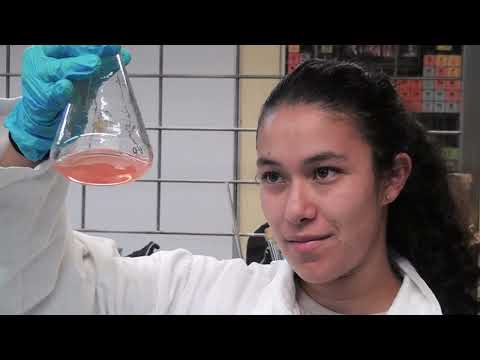
Práctica 1, parte 1: Riesgos en el laboratorio
Understanding Risk and Danger in the Laboratory
The Importance of Distinguishing Between Risk and Danger
- Understanding the difference between danger (potential to cause harm) and risk (probability of that danger causing harm) is crucial in laboratory settings.
- For example, encountering a shark while swimming represents a danger; however, the risk varies based on location—swimming in a shark-infested area increases risk significantly.
Safety Protocols in the Laboratory
Recognizing Hazards
- In a laboratory, it is essential to identify potential hazards by reviewing labels and safety data sheets for substances being used. This step helps ensure awareness of dangers present.
Evaluating Risks
- After identifying hazards, evaluating risks is necessary. For instance, preparing hydrochloric acid requires protective gear as indicated by safety data sheets due to high burn risk associated with the substance.
Managing and Minimizing Dangers
- Proper handling techniques are vital; for example, transferring concentrated acid into a beaker instead of measuring directly from its container minimizes accident risks.
Emergency Preparedness
- Despite following protocols meticulously, emergencies can still occur; thus, knowing emergency equipment locations like eyewash stations is critical for safety preparedness.