Biogas Plant | Science | Working Model and Explanation
Biogas Plants: Understanding the Process
Introduction to Biogas and Its Importance
- The session focuses on biogas plants and their role in reducing pollution through the use of biodegradable substances.
- Biodegradable substances are decomposed by microorganisms, which do not cause pollution. This process is crucial for environmental sustainability.
Anaerobic Decomposition and Methane Production
- Anaerobic microorganisms decompose organic matter in the absence of oxygen, releasing methane gas, a key component of biogas.
- Biogas consists of 55% to 60% methane and the remainder is carbon dioxide, highlighting its potential as an energy source.
Components of a Biogas Plant
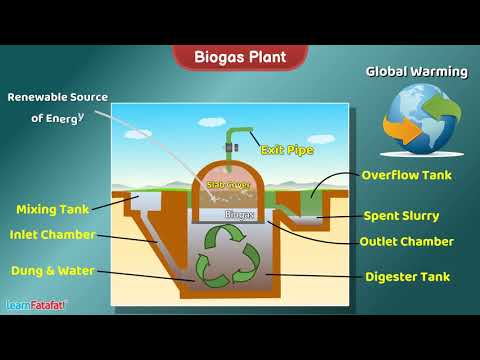
- A biogas plant comprises five main components:
- Mixing tank
- Inlet chamber
- Digester tank
- Overflow tank
- Exit pipe
The Biogas Production Process
- Organic matter such as cattle dung, wet garbage, and dry leaves are mixed with water to create slurry in the mixing tank.
- The slurry is fed into the digester tank where two steps occur:
- Microorganisms break down complex organic matter into organic acids.
- Methanogenic microorganisms convert these acids into methane gas (biogas).
Utilization of Biogas and Spent Slurry Management
- Collected biogas is channeled through an exit pipe for various uses including cooking fuel and electricity production.