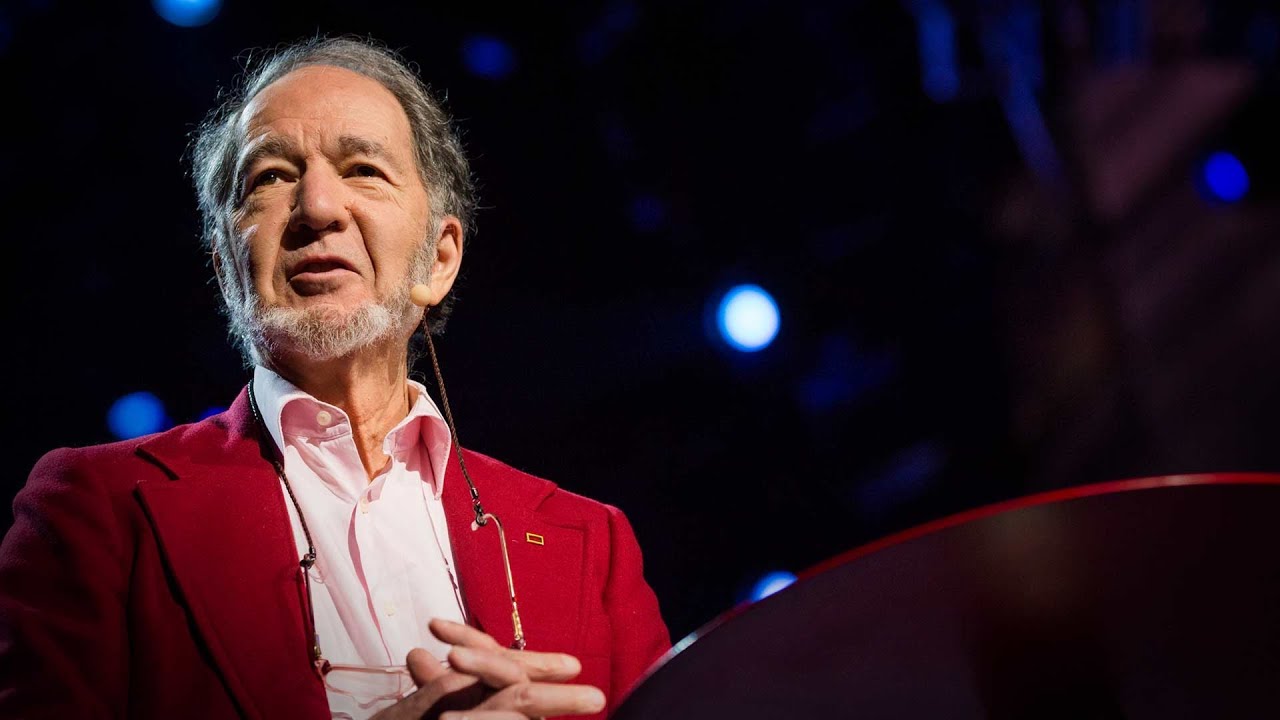
Jared Diamond: How societies can grow old better
New Section
In this section, the speaker introduces the topic of growing older in traditional societies and highlights the relevance of the discussion for individuals over 65 years old or those with elderly family members.
Growing Older in Traditional Societies
- The speaker compares traditional tribal societies with modern societies on various aspects such as child-rearing, aging, health, danger management, dispute resolution, religion, and multilingualism.
- Tribal societies serve as diverse natural experiments for understanding human society organization and offer potential learning opportunities for modern societies.
- Older people in traditional societies often live among their children, relatives, and lifelong friends compared to the common separation seen in modern societies.
- Treatment of the elderly varies significantly across traditional societies ranging from neglect to care and respect.
The Status of the Elderly in the U.S.
The discussion explores the societal perception and treatment of elderly individuals in the United States, highlighting reasons for their low status and examining changes in their roles compared to traditional societies.
Reasons for Low Status of the Elderly
- Our society values younger individuals over older ones due to perceived societal contributions.
- Factors contributing to the low status of the elderly include:
- Protestant work ethic emphasizing work as valuable.
- American emphasis on self-reliance and independence, devaluing those who are not self-reliant.
- American cult of youth reflected in advertisements, neglecting older demographics.
Changes in Status Compared to Traditional Societies
- Positive changes include longer lives, better health, and improved recreational opportunities for the elderly today.
- Negative changes involve increased burden on fewer young people due to demographic shifts and loss of social ties with age.
Challenges Faced by Older Individuals
This section delves into challenges faced by older individuals in modern society, focusing on their decreasing utility and struggles with technological advancements.
Challenges Faced by Older Individuals
- Older individuals are considered less useful due to factors such as widespread literacy diminishing their role as knowledge repositories.
- Rapid technological change renders skills acquired in youth obsolete later in life, leading to a lack of fluency in essential modern technologies among older generations.
Impact on Daily Life
- Personal anecdotes highlight difficulties faced by older individuals with modern technology like TV remotes, showcasing a disconnect between generations regarding technological proficiency.
Utilizing Value and Experience of Older People
This segment discusses ways to leverage the value and experience of older individuals within society, emphasizing their potential contributions despite challenges they face.
Leveraging Value
- Older people can offer high-quality childcare as grandparents, providing experienced care compared to paid alternatives like babysitters or daycares.
Abilities and Attributes Across Age Groups
The discussion highlights the varying strengths and attributes of individuals at different age groups, emphasizing the importance of experience and skills that evolve with time.
Abilities and Attributes
- Younger individuals excel in tasks requiring physical strength, stamina, ambition, and novel reasoning.
- Older individuals demonstrate valuable attributes such as experience, understanding of human relationships, interdisciplinary thinking, best suited for supervising, advising, and strategizing.
- Traditional societies utilize elderly effectively for roles like supervision and teaching compared to modern societies.
- Learning from traditional societies can offer insights into social richness despite material differences.
- Traditional societies exhibit advantages in child development and disease prevention compared to modern lifestyles.
Lessons from Traditional Societies
The speaker reflects on the lessons that can be learned from traditional societies regarding lifestyle choices impacting health outcomes.
Insights from Traditional Societies
- Traditional societies have socially richer lives despite material poverty.
Turn any video into a summary like this
YouTube links, meetings, lectures. With transcripts, search, and chat.