Failure Mode Effects Analysis (FMEA)
Could Failure Modes and Effects Analysis Improve Healthcare Safety?
Introduction to FMEA
- The video discusses the importance of anticipating potential problems in healthcare to protect safety and reputation, emphasizing that proactive measures are essential rather than reactive fixes.
Steps in Conducting FMEA
Step 1: Define Scope
- The first step involves defining the scope and topic of the FMEA, such as ensuring proper hand hygiene and placement of hand sanitizer stations at points of care to prevent infections.
Step 2: Assemble a Multidisciplinary Team
- A small team comprising various experts who interact with patients is assembled. This may include administrators, clinicians, nursing assistants, maintenance staff, and housekeeping personnel.
Step 3: Chart the Process
- The team creates a detailed flowchart outlining the current process for hand hygiene at points of care. For instance, it includes steps like cleaning hands before entering a room and providing care.
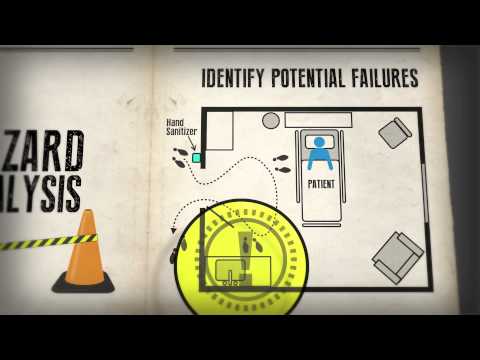
Step 4: Hazard Analysis
- Potential failures are identified at each step in the process. Examples include failure to perform hand hygiene after patient contact or lack of available hand hygiene products at point-of-care locations.
Step 5: Actions and Measures
- The final step focuses on preventive actions for high-risk issues. This includes installing hand hygiene stations, training staff on their use, monitoring them visually, ensuring they are always stocked, and adjusting plans as necessary.