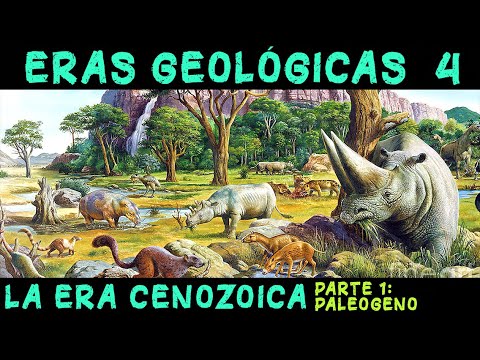
ERAS GEOLÓGICAS 4: Era Cenozoica (1ª parte): El Periodo Paleógeno - El auge de los mamíferos
The Cenozoic Era
The Cenozoic Era, spanning from 65 million to 23 million years ago, is characterized by the emergence of new life forms following the extinction of dinosaurs.
The Paleogene Period
- The Cenozoic era is the latest geological era on Earth, marked by the rise of new animals and life forms. It comprises three periods: Paleogene (discussed in this episode), Neogene leading to Australopithecus, and Quaternary representing prehistory.
- After the extinction of dinosaurs, new mammalian species emerged in the Paleogene period due to a lack of predators. Small mammals like Purgatorius and early bird species thrived during this time.
- Rodents like Purgatorius and primitive birds such as Waimanu were prevalent. Notable mammals included Fenacodus (early hoofed mammal) and Pantolambda (one of the first predatory mammals).
Fauna and Flora Evolution
- Surviving reptiles post-extinction included Champsosaurus and Niolamia turtles. Titanoboa, considered one of the largest snakes ever known, also existed during this period.
- Marine reptiles declined post-Cretaceous extinction, allowing sharks to dominate oceans. Coral reefs flourished alongside diverse fish populations preceding the emergence of whales.
Climate and Biodiversity
- Following mass extinctions in the Paleocene-Eocene Thermal Maximum, ferns reappeared along with tree growth. Angiosperms expanded, cacti emerged, and recognizable jungles formed.
- The climate was warm and humid during this period with unusual occurrences like proto-primates in North America and crocodiles in Greenland. Antarctica was once forested before a minor extinction event reshaped biodiversity.
Eocene Epoch: Dawn of New Life Forms
The Eocene epoch witnessed significant evolutionary developments including diverse avian species dominance, expansion of mammalian lineages, emergence of grasslands, and early primate ancestors.
Avian Dominance
- Birds like Gastornis thrived as top predators feeding on small mammals while penguins diversified. Anseriformes (ducks, geese), bats appeared alongside ancestral forms leading to modern-day livestock.
- Anthropornis penguins expanded; Anseriformes diversified; early herbivorous mammals resembling pigs, camels evolved; Proboscidea ancestors including Moeritherium emerged; primates like Godinotia appeared.
Mammalian Evolution
- Grasslands emerged during this epoch alongside Proboscidea ancestors resembling elephants such as Moeritherium with trunk-like features. Early primates like Godinotia evolved while Creodont carnivores dominated as top predators.
Aquatic Evolution
- Ambulocetus marked the transition from land to sea for some mammals leading to cetacean evolution including Basilosaurus resembling modern whales but retaining vestigial hind limbs.
Changing Climates in Mid-Eocene
Mid-Eocene climate shifts impacted biodiversity with cooling trends favoring deciduous trees over tropical forests while ants proliferated globally post-dinosaur extinction.
Biodiversity Shift
- A warm yet humid climate prevailed with global rainforests except for some savannas. Cooling trends mid-Eocene favored deciduous trees' adaptation over tropical flora diversity increased significantly post-dinosaur extinction.
The Eocene Epoch and Climate Change
The discussion delves into the Eocene epoch, focusing on the impact of the Azolla event 48 million years ago and its role in global cooling, leading to significant climate changes.
The Azolla Event
- The Azolla fern thrived uncontrollably in the Arctic Ocean due to optimal conditions like tectonic plate arrangements creating a freshwater pool, abundant rainfall filling it, and extended sunlight hours.
- Over 800,000 years, Azolla absorbed vast amounts of CO2 from the atmosphere. However, upon death, these plants sank to the ocean floor with trapped CO2, fossilizing due to lack of decomposition.
Global Cooling Effects
- Changes in ocean conditions led to Earth's cooling process. Glaciers emerged at the poles, culminating in Antarctica's freezing. Additionally, continental collisions impacted fauna diversity.
- The collision between Europe and Asia disrupted ecosystems, causing a decline in European native fauna during the Oligocene period.
Continental Drift and Faunal Evolution
This segment explores how continental drift influenced faunal evolution during transitions from Paleogene to Neogene periods.
Continental Shifts
- Australia and South America separated from Antarctica as Drake Passage opened fully. This separation allowed for oceanic circulation around Antarctica but restricted warmer water inflow due to plant-related CO2 issues.
Faunal Transformations
- Climate changes led to glaciation over forests in Antarctica, transforming it into tundra while globally reducing sea levels. Seasons as we know them today emerged alongside diverse ecosystems like deciduous forests.
- Orogeny events formed major mountain ranges such as the Himalayas post India-Asia collision and Alps-Pyrenees formations.
Fauna Diversity in Transition Period
Discussing the evolving fauna during this transitional period marked by changing climates and geological events.
Fauna Adaptations
- Fauna diversity increased with rodents, mastodons, early dog ancestors (Cynodictis), boar-like creatures (Entelodonte), horses (Mesohippus), ruminants (Merycoidodon), monkeys (Aegyptopithecus), and camelids (Cainotherium).
Carnivorous Evolution
- Creodont carnivores diversified into Canoids like dogs and Ferooids including tigers. Notable species like Pyrotherium appeared alongside large mammals such as Paraceratherium resembling modern rhinos or giraffes.
Marine Life Development
Exploring marine life advancements towards the end of this epoch with emerging whale species and Pinnipeds.
Marine Species Emergence
- Towards the end of this period saw appearances of whales like Aetiocetus & Janjucetus; dolphins such as Kentriodon; shark varieties akin to present-day species; followed by initial Pinniped developments including walruses & seals.
Extinction Events