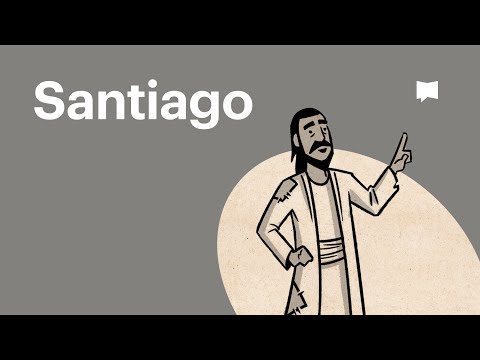
Resumen del libro de Santiago: un panorama completo animado
Introduction and Background
The introduction provides insights into the name "Santiago" in Spanish, which translates to "Jacobus" in Greek. The focus is on James, the half-brother of Jesus, who emerged as a prominent leader in the early Christian community in Jerusalem.
Jacobo: The Prominent Leader
- James (Jacobo), the half-brother of Jesus, became a significant figure in the early Christian community in Jerusalem after Peter's departure.
- Despite facing challenges like famine and persecution, James was known for his wisdom and peacemaking until his tragic assassination.
- The Book of James encapsulates his teachings and wisdom, addressing Jewish-Christian communities outside Israel with practical advice.
Influences on James' Wisdom
James' teachings are influenced by Jesus' Kingdom of God teachings and biblical wisdom from Proverbs. His goal is not to introduce new theology but to challenge followers on living out wisdom practically.
Sources of Wisdom
- James draws heavily from Jesus' teachings on living according to God's kingdom principles, particularly echoing the Sermon on the Mount.
- Biblical wisdom from Proverbs shapes James' concise and metaphorical discourses challenging followers to live wisely by loving God and others.
Key Teachings on Practical Wisdom
The core chapters (2-5) emphasize devotion to Jesus' ways through independent yet interconnected teachings focusing on practical applications of faith.
Practical Applications
- Addressing favoritism and love, James highlights how true faith involves caring for all without bias based on personal gain.
- Emphasizing the significance of words, James underscores that genuine faith manifests through actions aligned with Jesus' teachings.
Living Wisely in Community
James advocates for a community devoid of divisions based on wealth or status. He warns against arrogance stemming from material possessions while urging patience and prayerful hope for Christ's return.
Community Dynamics
- Wealth-induced arrogance contradicts the essence of God's kingdom community where humility prevails over materialism.
Jacobo - Living a Life of Integrity
Jacobo emphasizes living a life of integrity, aligning actions with values received from Jesus to achieve completeness.
Understanding Plenitude and Integrity
- Jacobo mentions the word "plenitud" seven times in the Bible, highlighting the significance of living a fully integrated life.
- God aims to restore fractured individuals, starting with wisdom to view challenges from a new perspective.
- True wisdom involves choosing trust over anxiety, believing in God's goodness despite circumstances like poverty.
Wisdom and Trust in God
Embracing wisdom leads to trusting God's character amidst hardships, recognizing His generosity and reliability.
Embracing Difficult Times with Trust
- During tough times, it is crucial to perceive them as opportunities to learn about God's character and His presence in suffering.
- Through Jesus, believers experience a new birth that instills confidence in facing struggles with unwavering trust in God.
Living Out Love and Devotion
Demonstrating love through practical actions towards others reflects true devotion to God and His teachings.
Manifesting Love and Devotion
- Following the greatest commandment involves loving God and neighbors practically through kindness, service to the poor, and exclusive devotion.
Turn any video into a summary like this
YouTube links, meetings, lectures — with transcripts, search, and chat.