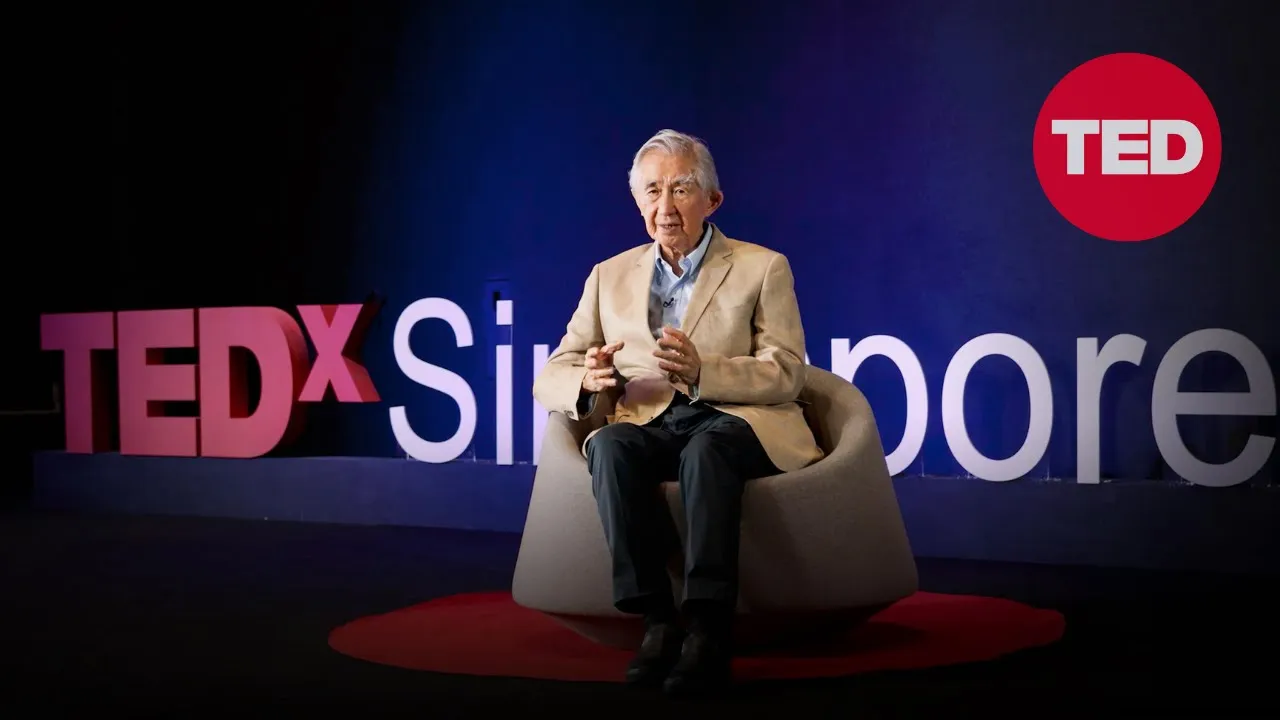
The Architectural Mastermind Behind Modern Singapore | Liu Thai Ker | TED
New Section
The speaker discusses his response to those who question why he did not follow his father's profession as a painter, emphasizing that he is also an artist.
Embracing Artistry
- The speaker highlights the difference between his father's small-scale paintings and his own expansive artworks spanning thousands of kilometers.
- Singapore faced challenges post-British colonization in 1960, with three-quarters of the population residing in illegal shanty towns.
- To progress sustainably and compete globally, Singapore focused on excellence by eradicating slums and providing quality subsidized housing.
Urban Planning for Sustainability
The transformation of Singapore through urban planning initiatives is discussed, focusing on public housing development and the eradication of slums.
Transformative Urban Planning
- Over 25 years from 1960 to 1985, Singapore successfully cleared all slums and accommodated its residents in public housing.
- The comprehensive shift towards public housing marked a remarkable transformation in Singapore's urban landscape.
Long-Term City Planning Strategies
The importance of long-term city planning strategies is emphasized, considering factors like population growth control and preserving unique design genes.
Strategic City Planning
- Long-term city planning involves considerations for future populations up to 2070 or beyond to ensure sustainable development.
- Designing cities involves identifying location-specific design genes to create distinctive features influenced by climate, customs, and architectural traditions.
Balancing Density for Urban Development
Balancing density levels in urban areas is crucial for creating diverse environments without compromising livability.
Density Management
- Different regions require varying color palettes due to climate influences; maintaining traditional architectural styles preserves local identity.
Turn any video into a summary like this
YouTube links, meetings, lectures. With transcripts, search, and chat.