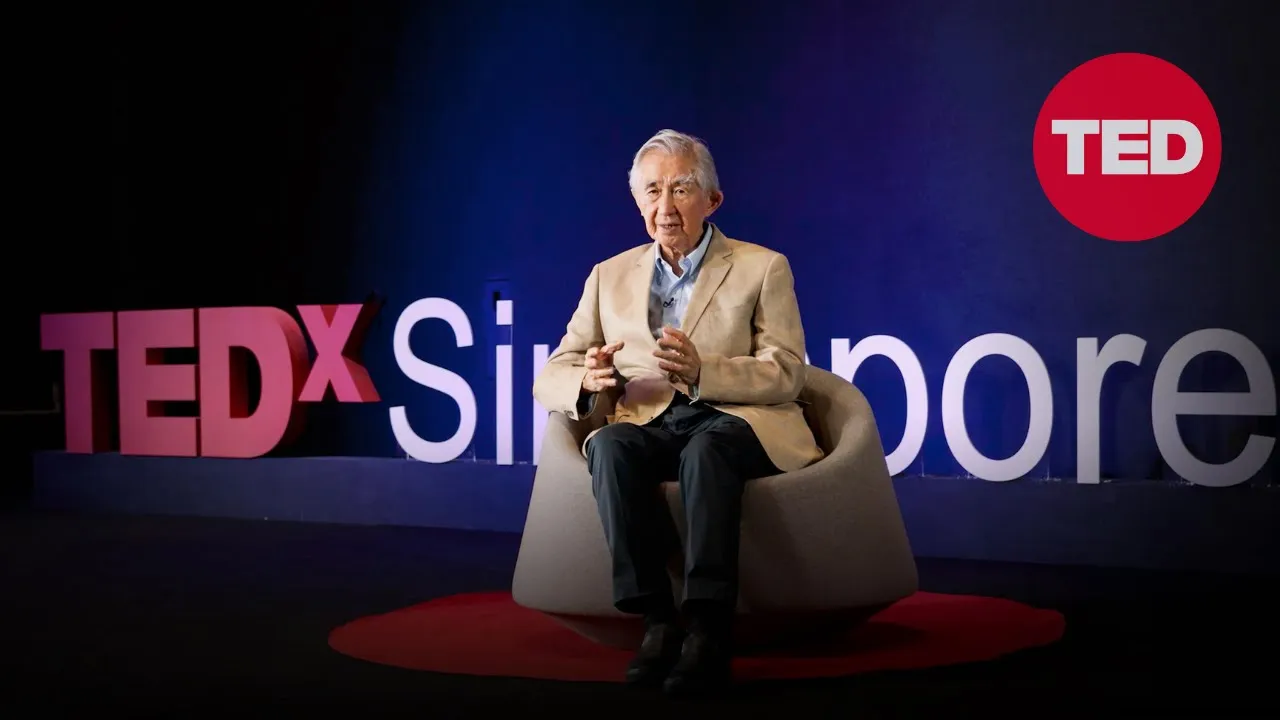
The Architectural Mastermind Behind Modern Singapore | Liu Thai Ker | TED
New Section
In this section, the speaker discusses the transformation of Singapore from a city with squatter areas to one with public housing and sustainable urban planning.
Singapore's Transformation
- The government of Singapore aimed for excellence to create a sustainable city by removing squatters and providing quality, subsidized housing.
- By 1985, all squatters were eliminated through the introduction of public housing, marking a significant transformation in Singapore.
- Urban planning involved considering population growth and unique characteristics of each locality to create distinct city designs.
- Factors such as climate, customs, architectural heritage, and density influence city planning and design decisions.
- High-density cities can still offer a pleasant environment by alternating high-density buildings with parks or low-rise structures using the Western chessboard concept.
Urban Planning Strategies
This section delves into how cities should be viewed as families with different components like regions, new towns, neighborhoods, and precincts.
City Planning Approach
- Cities should be treated as families with grandparents (regions), parents (new towns), children (neighborhoods), and grandchildren (precincts) to ensure organized development.
Planning a City for People and Land
In this section, the speaker discusses the importance of planning cities by cascading functions, facilities, and amenities based on different family members' needs.
Cascading Functions in City Planning
- The speaker explains the concept of cascading functions in city planning, where different facilities are prioritized based on residents' roles within families.
- Cities should be subdivided to distribute responsibilities effectively among different generations, akin to how families function with varying levels of independence.
- Failure to subdivide a city leads to overwhelming burdens on infrastructure and services, resulting in inefficiencies like traffic congestion.
Long-Term Planning for Sustainable Cities
This segment emphasizes the necessity of long-term urban planning despite rapid changes, focusing on creating enduring infrastructure that meets fundamental human needs.
Long-Term Urban Planning
- Rapid changes should not deter long-term city planning as cities are built with durable materials and must cater to lasting human needs.
- Understanding basic human needs and land requirements is crucial for ensuring a city's longevity amidst evolving circumstances.
- Amidst fast-paced changes, it is essential to resist overly trendy or flashy urban designs in favor of creating calm, functional spaces that promote community well-being.
Creating Livable Cities Through Comprehensive Design
This part delves into designing cities that balance functionality with aesthetics while prioritizing residents' well-being and quality of life.
Designing Functional Cities
- Urban design should prioritize calmness, legibility, community cohesion, predictability over flashy aesthetics to ensure livability.
- Identifying elements that bring joy to residents helps shape urban functions around education, culture, and recreation for an enjoyable living experience.
- A holistic approach involves providing housing, commercial centers, industries, schools, healthcare facilities, public services like police stations and parks at various levels within the city hierarchy.
Essential Elements for Sustainable Urban Development
This section highlights the significance of incorporating green spaces and essential amenities at different scales within a city for sustainable development.
Sustainable Urban Development
- Parks play a vital role in urban planning at various levels - from precinct parks to regional parks - contributing to Singapore's reputation as a garden city.
Turn any video into a summary like this
YouTube links, meetings, lectures. With transcripts, search, and chat.