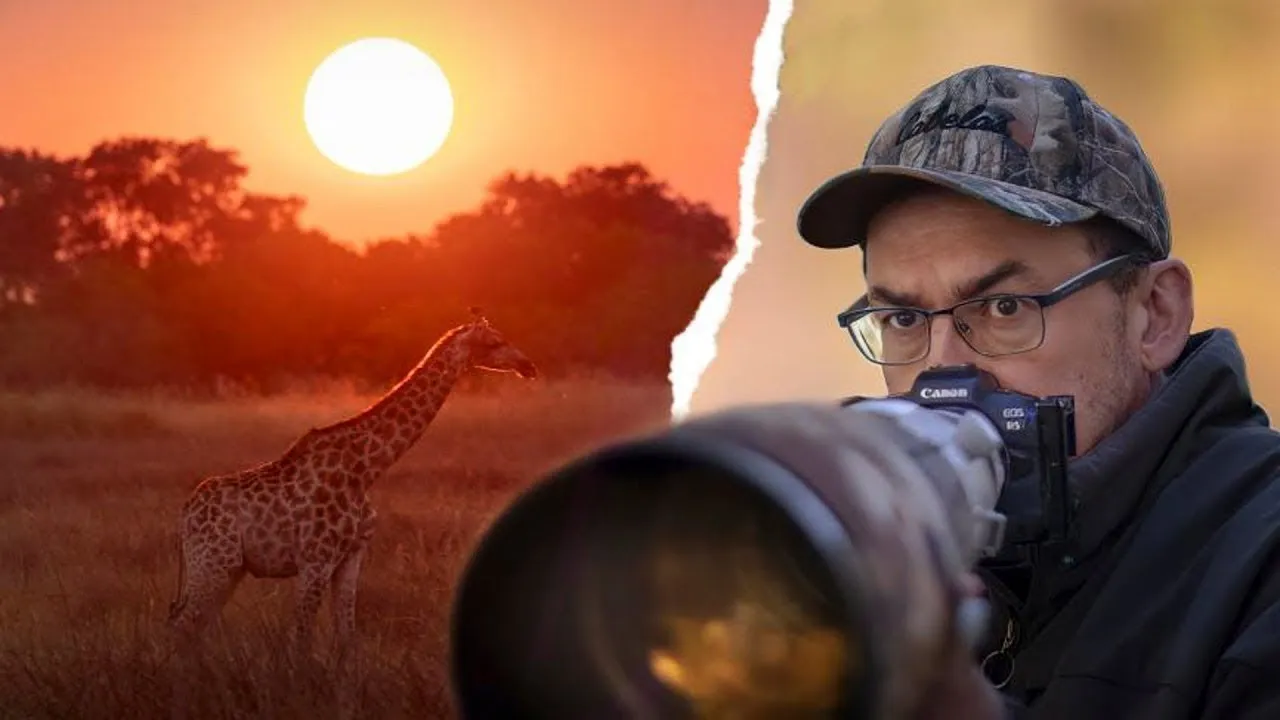
THIS is why your photos are boring
How to Make Your Photos Stand Out
In this video, the speaker discusses how to make your photos stand out from the crowd. They highlight a common mistake that people make and provide five simple tips to implement for more unique photos.
Shooting from Eye Level
- Shooting photos at eye level, from the same perspective as everyone else, results in boring and unoriginal photos.
- Raising the camera to eye level is the least effort photo one can take.
- The first step is to get out of eye level by going up or down.
- Getting low provides a more interesting perspective, especially when using a shallow depth of field.
- Getting high up or finding elevation allows for a unique perspective and adds layers to flat landscapes.
Using Elements for Framing
- Use elements in the scene, such as branches or structures, to frame or add depth to your subject.
- Placing something in the foreground can create a sense of three-dimensionality in your photo.
Giving Your Photo a Sense of Place
- A photo should not only capture the subject but also convey where it was taken.
- Scenes or backgrounds that give hints about location, environment, or season can enhance the sense of place.
Paying Attention to Lighting
- Lighting plays a crucial role in photography.
- Understanding and utilizing different lighting conditions can greatly impact the mood and quality of your photos.
Experimenting with Composition
- Don't be afraid to experiment with different compositions and perspectives.
- Try unconventional angles, framing techniques, and rule-of-thirds for more visually appealing photos.
Bonus Tip: Capturing Unique Moments
- Look for unique moments or unexpected situations that can add interest and storytelling elements to your photos.
By implementing these tips, you can elevate your photography skills and capture more unique and captivating images.
Photography Tips: Creating Interesting Photos
In this section, the speaker discusses the importance of including a sense of place in photography and explores techniques for capturing more interesting photos.
Including a Sense of Place
- Photography should include elements that reveal the location, season, or conditions of the photo.
- The example given is two snowy owl photos, one taken on a lobster trap and the other without any identifiable location. The photo with the lobster trap sells better because it has a sense of place.
- Elements like backgrounds, landscapes, structures, or specific objects can help convey a sense of place.
- Examples include cacti for deserts, lighthouses or water for oceans/lakes, orange leaves for fall, snow for winter, sand for beaches, and gloomy clouds for storms.
Expanding Field of View
- Experiment with wider angles or tighter fields of view than what your eyes naturally see (around 35-55mm).
- Shooting wide allows you to add more environment to the photo and create layers and storytelling.
- Shooting close or with more focal length reveals details not usually visible to the human eye and adds intrigue.
Capturing Elephants Creatively
- When photographing elephants (or any subject), avoid repetitive shots by using different techniques.
- Filling the frame with an elephant may become boring after multiple similar shots.
- Shoot wide to show the whole environment or shoot tight to focus on specific details like trunk, eyes, etc.
Vertical Orientation
- Vertical orientation is important in a social media world where content is viewed on phones and tablets.
- Vertical photos fill more of the screen and provide a better viewing experience.
- Choose vertical or horizontal orientation based on what suits the shot best.
- Vertical orientation is suitable for subjects with vertical lines, taller than wide subjects, or when foreground, middle ground, and background alignment are best revealed.
Conclusion
- Flipping the camera to experiment with different compositions can result in more interesting photos.
- Consider including a sense of place, expanding field of view, capturing subjects creatively, and utilizing vertical orientation for impactful photography.
Timestamps may not be accurate due to limitations in processing natural language.
New Section Nice Reflections in Photography
In this section, the speaker discusses the importance of reflections in photography and how they can enhance various types of shots.
Reflections in Wildlife and Landscape Photography
- Reflections can add a nice touch to wildlife and landscape photography.
- When shooting wildlife, calm winds near water can increase the chances of capturing reflections.
- Reflections also work well in landscape shots or cityscapes across a harbor.
Reflections from Windows in Portrait and Street Photography
- Windows can provide great opportunities for reflections in portrait and street photography.
- Pointing up against a building with lots of windows can capture cloudy skies or lights/sun as part of the reflection.
- Including these additional elements adds a nice touch to the overall composition.