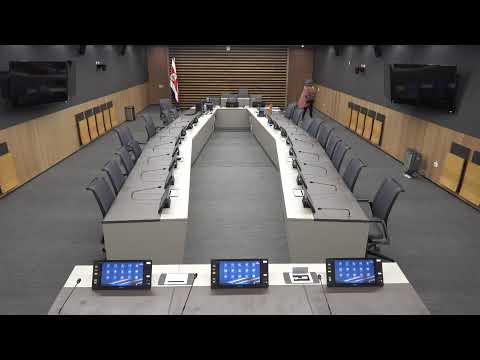
Comisión Especial del Sector Energético Nacional, 22 enero 2026
Opening of the Session
Introduction and Agenda
- The session begins at 9:08 AM on January 22, 2026, with a quorum present to start the 111th ordinary session of the Special Commission on the National Energy Sector and its connection to the regional electricity market.
- The minutes from the previous session (110) are discussed and approved without any internal matters or motions raised.
Discussion on Project Bill No. 25,271
Overview of Bill
- The bill aims to promote energy recovery from organic waste and strengthen sustainable generation. An audience is invited from CEDET (Chamber of Energy Distribution Companies and Telecommunications), represented by José Hidalgo, their executive director.
Key Points from José Hidalgo's Presentation
- Hidalgo expresses gratitude for being part of the discussion, highlighting that Bill No. 25,271 is significant for energy generation and addressing national sanitation issues related to organic waste management.
- He emphasizes that integrating organic waste into energy production can enhance the country's energy matrix alongside existing sources like hydroelectricity, geothermal, wind, and solar power. This integration is seen as crucial for improving distribution networks.
Challenges in Implementation
- Hidalgo points out challenges such as municipal organization regarding waste management and classification processes that need improvement across various regions in the country. Not all municipalities have effective classification systems for waste disposal yet.
- A clear tariff structure is essential for companies to understand investment returns related to operational costs in these types of plants; collaboration between health ministries and regulatory bodies is necessary for successful implementation of this law.
Future Contributions from CEDET
Collaboration Opportunities
- CEDET plans to contribute information regarding how distribution companies can collaborate with private entities or ICE (Instituto Costarricense de Electricidad) as discussions progress on this bill's implementation details. They see potential benefits in connecting waste generation sites with distribution networks directly managed by these companies.
Initial Feedback
- Hidalgo concludes his initial remarks by inviting questions or comments from committee members while noting they will provide further insights as discussions advance on this legislative proposal. He appreciates the opportunity to share perspectives on such an important topic for national development concerning solid waste management practices overall.
Responses from Committee Members
Acknowledgment of Importance
- Deputy Luis Fernando Mendoza expresses gratitude towards Hidalgo’s contributions regarding Bill No. 25,271, emphasizing its significance for national policy on solid waste management beyond just organic materials but encompassing all types of solid wastes handled by municipalities effectively moving forward into future legislation efforts aimed at sustainability improvements within Costa Rica’s environmental framework overall.
Discussion on Waste Management and Energy Projects
Importance of the Project
- The speaker emphasizes the significant work required for projects that manage waste and contribute to energy matrices, highlighting a dual purpose: addressing waste management while generating energy.
- There is an acknowledgment of the financial implications for municipalities, indicating that taxpayers will be involved in funding these initiatives.
Support for Legislative Initiatives
- The speaker expresses optimism about the project, describing it as promising and essential for improving waste management practices.
- Clarification is made regarding misconceptions about opposition to the project; instead, there is a commitment to enhance and support it through constructive feedback.
Engagement with Relevant Industries
- The speaker mentions consulting with companies that produce organic waste (e.g., pork producers), aiming to incorporate their experiences into legislative proposals.
- Efforts are being made to involve solid waste treatment companies in discussions to enrich the proposed legislation.
Challenges in Legislative Processes
- A connection is drawn between this project and another concerning financing for a highway corridor, illustrating broader fiscal responsibilities faced by lawmakers.
- Criticism arises regarding project costs and slow progress on expropriations related to infrastructure development.
Political Climate and Misunderstandings
- The speaker addresses misinterpretations from political leaders regarding legislative objections, asserting that efforts are being made towards responsible governance.
- Acknowledgment of political campaigning affecting perceptions around legislative initiatives; emphasis on maintaining focus on national interests rather than political gain.
Commitment to Progress
- Reassurance is given that there will be dedicated efforts towards advancing beneficial legislation aimed at both solid waste management and energy generation.
- The importance of collaboration among legislators is highlighted as they strive to improve proposed laws for better outcomes for Costa Rica.
Discussion on Energy Legislation and Stakeholder Involvement
Transparency and Legislative Process
- The speaker emphasizes the importance of transparency and honesty in discussions regarding legislative processes, particularly referencing a conversation in an elevator with the president.
- They clarify that the current dynamic is normal, with the ruling party presenting motions for hearings as part of a standard legislative process.
Project Analysis and Expert Consultation
- The speaker expresses their support for dialogue over debate, recalling past collaboration on solid waste legislation.
- They highlight specific concerns about inconsistencies in Article 2 of the proposed law, particularly regarding health ministry powers over energy issues.
Concerns Over Health Ministry's Role
- The speaker argues against granting the Ministry of Health authority over energy production from organic waste, citing existing complexities in national energy management.
- They maintain their position to propose amendments to ensure that health oversight does not interfere with productive activities related to energy generation.
Exclusivity and Tariff Structures
- The discussion includes skepticism about granting exclusivity to the Costa Rican Electricity Institute (ICE), suggesting it may limit competition.
- There are calls for modifications to tariff structures within the bill to prevent increased costs associated with waste classification and collection impacting energy pricing.
Economic Viability and Environmental Considerations
- Acknowledgment is made that producing energy from solid waste can be cheaper than fossil fuels, which could benefit national interests.
- The need for criteria establishment by local governments is emphasized, allowing them to engage effectively in contracts for energy generation through regionalization efforts.
Addressing Cost Issues and Legislative Delays
- Criticism is directed at previous governmental actions leading to increased waste treatment costs due to unpreparedness for new regulations introduced by the minister.
- The speaker notes delays in presenting necessary legislation that could have fostered business models around waste-to-energy solutions earlier.
Public Private Partnerships (PPP)
- Emphasis is placed on including private sector participation in future legislation concerning energy production from waste materials.
- Discussion highlights potential benefits of public-private partnerships (PPPs), especially regarding risk-sharing between private entities and government bodies involved in infrastructure development.
Analysis of Cooperative and Municipal Participation in Energy Projects
Legal Framework and Project Participation
- The analysis focuses on the legal aspects of how cooperatives and municipal companies (JASEC, SPH, CNFL) can participate in energy generation projects.
- It includes not only organic waste energy generation but also electric vehicle charging and wind energy projects.
- The internal discussions at CDET aim to clarify conditions for participation in these projects, ensuring informed contributions to legislative processes.
Challenges in Electricity Purchase
- A key issue raised is the cost of electricity purchase, which may be higher than expected or lack favorable conditions.
- Inquiry into Cope Guanacaste's model reveals their successful resolution of similar issues through investment bonds for waste management projects.
Cost Structure Insights
- Cope Guanacaste's approach involves classifying waste according to existing tariff structures that account for financial costs and operational maintenance.
- All relevant costs are considered within the tariff structure, including potential improvements over the project's lifespan.
Legislative Discussions on Waste Management
- Acknowledgment of the importance of health ministry involvement in solid waste management despite proposals to exclude it from project oversight.
- Emphasis on proper waste management as the core objective, with energy production being a secondary benefit.
Communication Dynamics Among Legislators
- Personal remarks about social media interactions highlight tensions among legislators regarding communication styles and public perceptions.
- A call for constructive dialogue during legislative discussions emphasizes collaboration while addressing emerging concerns.
Discussion on Legislative Delays and Project Support
Clarification on Legislative Intentions
- The speaker emphasizes that there has never been an intention from the presidency to delay the bill, highlighting initial committee transitions and discussions with Deputy Morales regarding procedural delays.
- The process of transferring the project between committees was lengthy, causing administrative challenges; however, it is clarified that no member of the commission intended to obstruct progress.
Committee Session Challenges
- The commission faced difficulties in convening sessions due to a lack of projects, despite indications that documents had arrived but were not processed correctly.
- The speaker asserts that any perceived inactivity was not due to a desire to stall proceedings but rather logistical issues within the legislative framework.
Addressing Misunderstandings
- The speaker recounts receiving calls from local mayors who believed they were being misled about delays related to Route One; clarifying their non-involvement in hindering progress.
- They stress their absence from financial committee meetings aimed at delaying projects and express concern over misinformation circulating among local officials.
Personal Experience with Infrastructure Issues
- A personal anecdote illustrates the severe traffic conditions experienced while traveling for official duties, underscoring the urgency for infrastructure improvements like Route One.
- The speaker reassures local mayors that they are supportive of advancing necessary legislation and have not obstructed decision-making processes within their faction.
Project Details and Benefits
- Information is shared about a waste management project by Copeghuanacaste, which involves gasification technology capable of processing 200 tons of waste daily and generating significant energy output (7.5 megawatts).
- Key advantages include reducing waste volume, controlling emissions, eliminating hazardous materials, and producing renewable energy—highlighting its environmental impact as well as operational benefits involving community participation.
Discussion on Energy Generation and Waste Management
Importance of Professionalism in Legislative Discussions
- The speaker emphasizes the need for respect among legislators, indicating that personal attacks undermine professional discourse.
- Acknowledges the importance of separating personal feelings from professional responsibilities within the legislative assembly.
Energy Generation as an Opportunity
- The discussion shifts to energy generation from waste, highlighting it as a potential business opportunity rather than merely a problem.
- The speaker argues against viewing energy generation as a subproduct, advocating for its recognition as a viable business model.
Aligning Energy Policies with Health Regulations
- Questions arise about how energy generation aligns with health policies, particularly regarding the role of the Ministry of Health versus the Ministry of Environment and Energy (Minaye).
- Emphasizes that economic considerations are crucial when analyzing projects related to energy distribution.
Private Sector Involvement in Energy Projects
- Discusses how private sector involvement can enhance project viability by addressing initial financial challenges faced by companies.
- Highlights models where private entities can provide energy at discounted rates, benefiting both distributors and consumers.
Project Examples and Global Trends
- Provides an example of SPH's wind project which utilized private investment to reduce costs through discounts on energy purchases.
- Mentions global trends in energy projects utilizing various methods beyond traditional means, such as gasification and CO2 management.
Energy Generation and Waste Management Strategies
Importance of Collaboration in Waste Management
- The discussion emphasizes the need for consensus among various stakeholders, including municipalities, regarding waste collection methods and the quality of waste materials.
- It is crucial to incorporate distributors into project planning as they play a significant role in managing waste and energy distribution.
Legal Framework and Project Development
- The speaker highlights the importance of existing laws (e.g., laws 83 45, 7789) that empower companies to develop energy generation projects within their concession areas.
- Projects located strategically within concession areas can reduce transmission costs significantly, which is vital given the geographical consumption patterns in Costa Rica.
Energy Consumption Patterns
- Acknowledgment that most energy production occurs in northern regions while 70% of consumption happens in metropolitan areas; this disparity necessitates efficient project placement.
- The proposal includes explicit collaboration between energy producers and private sectors to enhance decarbonization efforts.
Tariff Structures and Economic Viability
- Discussion on tariff structures indicates that initial costs for such projects may be higher but could lead to long-term economic benefits if managed correctly.
- Emphasis on finding suitable models for municipal or cooperative involvement to facilitate project development under varying conditions.
Firmness of Organic Energy Production
- Clarification provided that energy produced from organic materials can be considered firm as long as operational conditions are maintained consistently.
Closing Remarks and Future Engagement
- Appreciation expressed towards José for his contributions, indicating ongoing support for future projects relevant to the sector.
Upcoming Audiences and Discussions
Motion for Audience Convoation
- A motion proposed by Deputy Cambronero Guiluz seeks to convene organizations related to a specific legislative file (2500271).
Comparative Analysis Request
- There’s a suggestion to analyze cost comparisons based on previous implementations by COP Guanacaste regarding waste classification systems.
Scheduling Considerations
- Discussion about potentially inviting multiple speakers together in one session due to scheduling conflicts previously encountered with individual invitations.
Approval of Motion
- The motion was approved unanimously by present deputies, allowing further discussions on the topic at hand.
Next Steps
- Plans discussed include canceling an upcoming commission meeting while seeking opportunities for extraordinary sessions focused on expediting audience hearings related to the legislative file.