EQUIPONo20 2020 2 EL CRETINISMO Y SUS APLICACIONES MEDICAS 2
Introduction and Definition of Cretinism
In this section, the team introduces themselves and provides an overview of the topic of cretinism. They define cretinism as a condition caused by the lack of thyroid hormone, which is essential for proper development.
What is Cretinism?
- Cretinism is the result of a deficiency in thyroid hormone production.
- Thyroid hormone is crucial for the development of the brain, nervous system, heart, muscles, and energy regulation.
Causes and Importance of Thyroid Hormone
The team discusses the causes of cretinism or congenital hypothyroidism. They emphasize the importance of thyroid hormones for proper brain development and functioning.
Causes and Importance
- Common causes include underdeveloped or misplaced thyroid glands.
- Thyroid hormones are necessary for cellular morphogenesis during human development.
- Maternal thyroid function during gestation affects brain maturation.
- Insufficient thyroid hormones can lead to decreased neural arborization, reduced neural size, and subsequent intellectual disability.
Effects on Central Nervous System Development
The team explains how thyroid hormones impact central nervous system development. They discuss the irreversible effects that can occur if treatment is not administered within a specific timeframe.
Effects on CNS Development
- Thyroid hormones play a role in neurogenesis, interneuronal connections, myelination, and neural size.
- Hypothyroidism leads to decreased neural arborization and size, resulting in intellectual disability.
- Delayed treatment may result in irreversible effects on brain development.
Clinical Features and Prevalence
The team discusses the clinical features and prevalence of congenital hypothyroidism.
Clinical Features and Prevalence
- Congenital hypothyroidism is associated with hearing loss, congenital malformations, cardiac anomalies, cleft palate, hip dysplasia, and neurological, genitourinary, digestive, and ophthalmological abnormalities.
- Most infants with congenital hypothyroidism do not show clinical signs at birth.
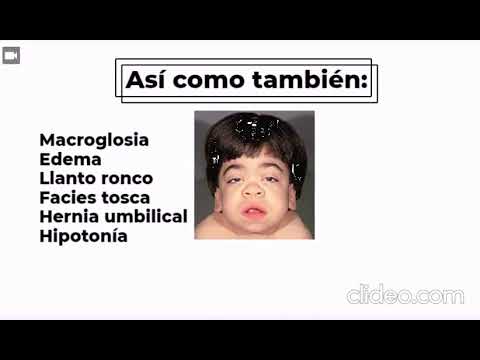
- Common signs include a wide posterior fontanelle (>0.5 cm), macroglossia (enlarged tongue), umbilical hernia, hypotonia, mottled skin appearance, prolonged jaundice, bradycardia, feeding difficulties, and constipation.
- In Mexico, the incidence of congenital hypothyroidism is approximately 7.3 per 10,000 newborns.
Neonatal Screening for Congenital Hypothyroidism
The team explains the importance of neonatal screening for early detection of congenital hypothyroidism.
Neonatal Screening
- Neonatal screening is performed to detect metabolic disorders in newborns.
- The blood sample for screening is typically taken at 5 days of age.
- Positive results require further diagnostic investigation.
- Babies born before 32 weeks gestation undergo a second screening at 28 days or upon discharge due to potential immaturity masking the condition.
Causes and Importance of Iodine in Hyperthyroidism
The team discusses the causes of hyperthyroidism or congenital thyrotoxicosis. They highlight the importance of iodine for thyroid hormone production.
Causes and Importance
- Lack of iodine is a common cause of hyperthyroidism as iodine is essential for thyroid hormone production.
- Thyroid hormones (T4 and T3) are crucial for energy utilization, thermoregulation, and proper functioning of the brain, heart, and muscles.
Role of Genes in Thyroid Gland Development
The team explains how genes play a role in the development of the thyroid gland.
Role of Genes
- Genes such as FOXE1 and PAX8 are involved in the growth and development of the thyroid gland.
- Mutations or absence of these genes can lead to abnormal thyroid gland growth before birth.
Structure and Function of the Thyroid Gland
The team provides an overview of the structure and function of the thyroid gland.
Structure and Function
- The thyroid gland is located in the anterior central compartment of the neck.
- It consists of two lateral lobes connected by a central portion called the isthmus.
- The gland produces hormones that regulate various biological processes.
- Different types of cells within the thyroid gland are involved in specific biological functions.
The Effects of Hypothyroidism on the Thyroid Gland
This section discusses the changes that occur in the thyroid gland when it is underactive, such as in the case of hypothyroidism due to iodine deficiency.
Thyroid Gland Changes in Hypothyroidism
- When the thyroid gland is inactive, the follicles become enlarged and distended, leading to an increase in colloid content.
- Early follicular cells show limited cytoplasm and a flattened epithelium.
- In contrast, when the thyroid gland becomes active, the follicles empty out colloid content and the cells increase in height, becoming cuboidal or columnar. This indicates increased hormonal activity.
Importance of Recognizing Hypothyroidism
This section emphasizes the significance of recognizing hypothyroidism for systematic detection in newborns and evaluation at different levels.
Significance of Recognizing Hypothyroidism
- It is crucial to recognize hypothyroidism for systematic detection in newborns.
- Evaluating hypothyroidism at different levels is important for proper management and treatment.
Please note that these summaries are based on the provided transcript.