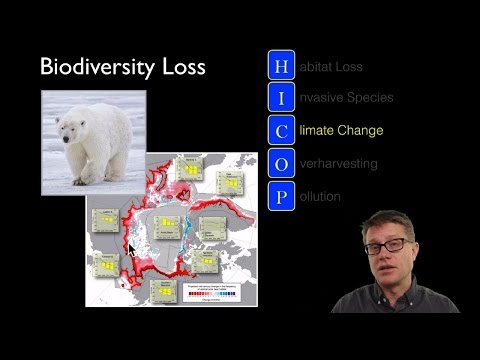
Loss of Biodiversity
The Importance of Biodiversity
Overview of Biodiversity
- Mr. Anderson introduces the topic of biodiversity and its significance, referencing the Svalbard Global Seed Vault in Norway as a protective measure for crop seeds.
- The seed vault is strategically located to withstand tectonic activities and rising sea levels, ensuring future access to vital agricultural resources.
Current Threats to Biodiversity
- Biodiversity encompasses genetic diversity, species diversity, and ecosystem diversity; all are crucial for providing resources and ecosystem services.
- Major causes of biodiversity loss include habitat destruction, invasive species, climate change, overharvesting, and pollution.
Conservation Efforts
- To combat biodiversity loss, it is essential first to identify areas where it is occurring and assess the conservation status of affected organisms or ecosystems.
- Laws and treaties can then be enacted to protect biodiversity effectively.
Causes of Biodiversity Loss
Key Factors Contributing to Decline
- A mnemonic device called "high cop" helps remember five main factors causing biodiversity loss: habitat loss (deforestation), invasive species (e.g., kudzu), climate change (impacting polar bears), overharvesting (historical examples like the dodo), and pollution (e.g., oil spills).
Habitat Loss
- Deforestation for agriculture reduces diverse ecosystems into monocultures like soybean fields.
Invasive Species Impact
- Invasive species such as zebra mussels disrupt local ecosystems by outcompeting native species.
Human-Induced Extinction Events
Mass Extinctions Throughout History
- Historically, there have been five major mass extinctions; scientists now consider current rates indicative of a sixth extinction driven by human activity.
Identifying Conservation Status
- The International Union for Conservation of Nature (IUCN) categorizes species based on their risk levels from extinct to least concern.
Legislative Measures for Protection
Endangered Species Act
- The U.S. Endangered Species Act was established in 1973 to safeguard endangered species and their habitats.
Importance of Awareness
- Understanding conservation statuses through resources like Wikipedia can help raise awareness about threatened species such as the whooping crane and California condor.
Biodiversity and Conservation Efforts
The Status of Endangered Species
- Bald eagles were once on the endangered species list with around 500 breeding pairs in the lower 48 states; their population has now increased to over 10,000, leading to their removal from the list.
- Grizzly bears are also recovering, but there is ongoing debate in Montana about whether they should be removed from the endangered species list.
Economic Impacts on Biodiversity
- Human activities, such as logging, can negatively impact species listed as endangered; this highlights the need for a balance between conservation and economic resources.
- The Convention on Biological Diversity (1992) was signed by many countries to emphasize the importance of biodiversity for economic reasons, although it lacks legal binding power.
Challenges in Biodiversity Conservation
- Despite efforts to protect biodiversity, significant decreases continue due to economic motivations overshadowing conservation needs.
- Key factors contributing to biodiversity loss include habitat destruction, invasive species, climate change, overharvesting, and pollution.
Solutions Through Conservation
- Addressing biodiversity loss requires effective conservation strategies that assess the status of various species and ecosystems.