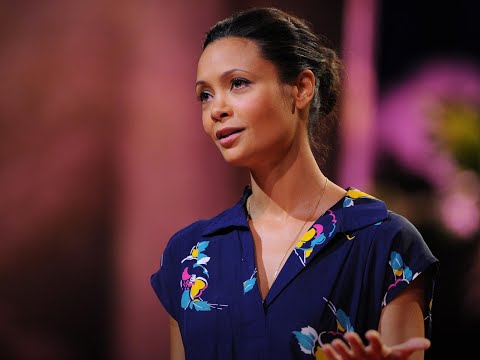
Embracing otherness, embracing myself | Thandiwe Newton
Embracing Otherness: A Journey of Self-Discovery
Understanding the Concept of Self
- The speaker reflects on the theme of embracing otherness, equating it with self-acceptance and understanding.
- Discusses the transition from a state of oneness in infancy to a sense of separateness as identity begins to form.
- Questions whether our constructed selves truly represent who we are or merely reflect societal projections.
The Struggle with Identity
- Shares personal experiences of rejection and confusion regarding identity, leading to feelings of anxiety and hopelessness.
- Describes a pattern where multiple versions of self emerge through repeated destruction and evolution, highlighting the non-static nature of identity.
Experiences Shaping Selfhood
- Reflects on growing up as a mixed-race child in an all-white environment, feeling like an "other" before anything else.
- Finds solace in performance arts; dancing allows for a temporary escape from self-doubt and provides emotional expression.
Acting as an Outlet for Identity
- Recalls discovering acting at 16, which offered peace by allowing her to embody different selves that felt more functional than her own.
- Despite achieving success as an actor by 19, she continues searching for personal definition and validation.
Challenging Definitions of Race and Self
- Engages in a pivotal conversation about race during university interviews, learning that genetic differences challenge traditional notions of racial identity.
- Concludes that race is a social construct rooted in fear rather than biological fact, which complicates her understanding of self-worth.
The Illusion of Self-Worth
- Despite academic success and career achievements, struggles with low self-esteem persist; she grapples with bulimia as a manifestation of internal conflict.
Exploring the Self and Connection
The Experience of Oneness
- The speaker describes a profound connection to everything around them when their self is suspended, likening it to an infant's feeling of oneness. This state enhances sensory awareness and diminishes divisiveness and judgment.
- They emphasize that despite playing diverse roles, all these selves are interconnected within them. Their perceived lack of self has allowed for deeper empathy towards others' pain.
Understanding the Self
- The speaker reflects on how their understanding of self as a projection has shifted their perspective, reducing its authority over them. They acknowledge their self's dysfunction but have learned to respect it rather than feel shame.
- By striving to live from their essence rather than a constructed self, they highlight transformative experiences, such as connecting with women in Congo who have endured unimaginable suffering.
Disconnection and Its Consequences
- The speaker warns against living disconnected lives fueled by consumerism, which leads to devaluation of life and contributes to societal issues like factory farming and violence.
Turn any video into a summary like this
YouTube links, meetings, lectures. With transcripts, search, and chat.