Harvard Professor: REVEALING The 7 Big LIES About Exercise, Sleep, Running, Cancer & Sugar!!!
Understanding Exercise and Its Impact on Health
The Importance of Physical Activity
- Many people exercise with the belief that it aids in fat loss, but this is a complex issue.
- Daniel Lieberman, an expert in human evolution and health, emphasizes that humans evolved to be physically active, yet only 50% of Americans engage in regular exercise.
- A significant correlation exists between physical activity and reduced disease risk; for instance, women who exercise 150 minutes weekly have a 30-50% lower risk of breast cancer.
- Despite preventable diseases accounting for 75% of medical issues, only 3% of healthcare budgets are allocated to prevention.
Shifting Perspectives on Exercise
- As people age and retire, they often become less active, leading to muscle loss and a cycle of inactivity.
- Myths about exercise abound; Lieberman has traveled globally to study how traditional lifestyles inform our understanding of health and fitness.
Evolutionary Medicine Insights
- Lieberman's research focuses on evolutionary medicine—applying evolutionary theory to health issues. He notes that many medical insights come from a narrow demographic (U.S., Canada, Europe).
- To understand human health better, researchers must study diverse populations worldwide. Lieberman has spent years researching in Kenya and other regions.
Epiphanies About Exercise
- An enlightening moment occurred while studying the Tarahumara people in Mexico; their culture lacks the concept of "training," raising questions about the necessity of structured exercise.
The Biggest Myths in Exercise
Understanding Exercise Myths
- The discussion begins with the notion that many popular exercise practices stem from societal privilege, particularly the comfort of not needing to hunt for food daily.
- The speaker identifies numerous myths about exercise, emphasizing the importance of understanding both physical activity and inactivity.
Debunking Common Misconceptions
Sleep Requirements
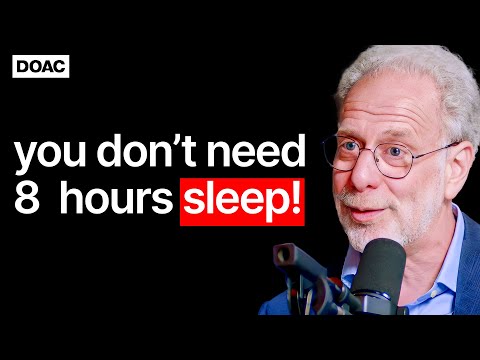
- A prevalent myth is that individuals need eight hours of sleep per night; however, this contradicts findings regarding natural human sleep patterns.
- The idea that sitting is as harmful as smoking is also challenged. All animals sit, including hunter-gatherers who sit just as much as modern populations.
Sitting vs. Activity
- The key difference lies in how often one interrupts sitting; frequent breaks during prolonged sitting can activate beneficial cellular mechanisms.
- Regularly getting up (e.g., every 10-15 minutes) can significantly improve health outcomes compared to uninterrupted sitting.
Reevaluating Sleep Patterns
Natural Sleep Durations
- Research shows that people without modern distractions typically sleep around six to seven hours a night, debunking the eight-hour myth.
- Data indicates a U-shaped curve concerning sleep duration and health outcomes, suggesting optimal sleep for most people is around seven hours.
Cultural Beliefs About Steps
- The cultural belief in achieving 10,000 steps daily originated from marketing rather than scientific evidence; average hunter-gatherers walk between 10,000 to 18,000 steps.
Conclusion on Step Goals
The Importance of Physical Activity in Aging
Personal Changes from Research
- The speaker reflects on the reasonable goals set while writing about exercise and running, questioning if any instant or lasting changes were made in their own life.
- They mention experiencing "mini Eureka moments" during podcasts with guests, leading to insights that influence their lifestyle choices.
Emphasis on Strength Training
- The speaker has become more serious about strength training, despite previously disliking weightlifting. They acknowledge a lack of strength and the importance of resistance training as one ages.
- Acknowledging the significance of resistance training, they now aim for at least two strength workouts per week to combat muscle loss associated with aging.
Understanding Sarcopenia
- The term "sarcopenia," which refers to age-related muscle loss, is introduced. This condition can lead to frailty and decreased functional capacity.
- The speaker emphasizes that reduced physical activity accelerates muscle wasting, creating a vicious cycle that further diminishes physical capability.
Aging vs. Senescence
- Aging is described as an inevitable process; however, senescence refers to how our bodies degrade over time. Physical activity plays a crucial role in slowing this degradation.
- Different types of physical activities (endurance vs. strength training) have unique benefits for various bodily systems and help mitigate signs of aging.
Myths About Aging and Activity Levels
- A significant myth addressed is the belief that it’s normal to be less active as one ages; this notion is challenged by evolutionary perspectives on human longevity.
- Humans are biologically designed to remain active well into old age, contrary to common retirement stereotypes where older adults become sedentary.
Role of Grandparents in Society
- Historically, grandparents contributed actively within their communities through work such as farming or caregiving rather than retiring from physical tasks.
- This active lifestyle promotes physiological processes that counteract aging effects by maintaining muscle health and preventing cognitive decline.
Consequences of Inactivity
- Lack of physical activity leads to accelerated aging due to diminished repair mechanisms within the body affecting DNA integrity and brain health.
Psychological Impact on Longevity
- The discussion touches upon how psychosocial factors like grief can impact health post-retirement or after losing a partner, linking depression with increased cortisol levels and weakened immune response.
Evolutionary Perspective on Retirement
The Importance of Physical Activity for Mental and Physical Health
The Link Between Physical Activity and Mental Health
- Physical activity is crucial not only for physical health but also for mental well-being, with a noted correlation between decreased physical activity and increased rates of depression and anxiety.
- The concept of retirement is modern; historically, people continued working physically demanding jobs until death, suggesting that ongoing physical activity is essential throughout life.
Aging and Continued Activity
- Unlike modern views on retirement, hunter-gatherers remained active until they could no longer do so due to illness or age. This highlights the importance of maintaining physical activity as one ages.
- A significant study by Ralph Paffenbarger at Harvard tracked alumni over decades, revealing that higher levels of exercise correlated with lower mortality rates as individuals aged.
Exercise's Impact Over Time
- Findings indicated that alumni who exercised regularly in their younger years had about 20% lower death rates by their 60s compared to those less active; this percentage increased to 50% for more active individuals.
- Personal reflections on aging emphasize the desire to remain physically capable into older age, contrasting genetic predispositions with lifestyle choices regarding fitness.
Genetics vs. Environment in Health Outcomes
- The saying "genes load the gun, environment pulls the trigger" illustrates how genetics may predispose individuals to certain diseases, but environmental factors play a larger role in health outcomes.
- Regular exercise significantly reduces risks associated with cardiovascular disease, diabetes, and Alzheimer's dementia. While it doesn't guarantee prevention, it substantially lowers risk factors.
Overcoming Inertia Towards Activity
- Modern conveniences like escalators encourage inactivity; overcoming the instinct to take it easy requires conscious effort towards maintaining an active lifestyle.
Understanding Exercise and Its Challenges
The Nature of Exercise
- Exercise can be unpleasant for those who are unfit, leading to feelings of discomfort such as sweating and crankiness. This often results in a negative perception of exercise.
- There is a need for compassion towards individuals who struggle with exercising, as their aversion may stem from normal human responses rather than laziness.
Gratitude and Community Engagement
- Acknowledgment of the audience's support is expressed, highlighting the importance of listener engagement in the show's success.
- A commitment is made to enhance the quality of the show by delivering desired content and guests, reinforcing community involvement.
Comfort vs. Activity
- Humans have evolved to seek comfort, which has led to a "comfort crisis" where convenience often outweighs physical activity.
- The preference for comfort (e.g., business class over economy seating) raises questions about whether comfort truly benefits health in the long term.
Short-term Gains vs. Long-term Costs
- Society tends to prioritize short-term benefits over long-term health costs, a phenomenon known as hyperbolic discounting.
- Physical activity has become non-essential due to modern conveniences; thus, people must actively seek ways to incorporate it into their lives.
Health Misconceptions and Prevention
- Many diseases like Alzheimer's and high blood pressure are often viewed as inevitable aspects of aging when they can actually be prevented through lifestyle choices.
- Aging does not inherently cause diseases; rather, lifestyle factors such as inactivity and poor diet play significant roles in disease prevalence.
Healthcare System Critique
- The U.S. healthcare system allocates only 3% of its budget on prevention despite preventable diseases accounting for 75% of cases seen in medical settings.
Understanding Cancer and Its Relationship with Lifestyle
The Historical Context of Cancer
- Discussion on the difficulty of measuring diseases like cancer in non-Western populations due to a lack of diagnostic tools.
- Estimates suggest that cancer rates have been rising, particularly in Western countries, where data is more readily available.
Cancer as a Disease of Energy
- Cancer is described as "natural selection gone awry," where cells compete for energy and can multiply uncontrollably.
- High energy intake, linked to sedentary lifestyles, contributes to increased cancer risk by promoting cell proliferation.
Hormonal Influences on Cancer Risk
- Elevated insulin levels are carcinogenic; high body energy leads to increased production of hormones like estrogen and testosterone, which are associated with certain cancers.
- More physical activity correlates with lower hormone levels (estrogen, progesterone, testosterone), reducing cancer risks.
The Importance of Physical Activity
- Physically active individuals show significantly lower rates of various cancers; women engaging in 150 minutes of exercise weekly have reduced breast cancer risks by 30% to 50%.
- There is a noted gap in public knowledge regarding cancer prevention strategies compared to treatment discussions.
Key Health Recommendations
- Three primary health recommendations: avoid smoking, engage in regular exercise, and reduce sugar intake from high glycemic foods.
- Insulin's role as an anabolic hormone emphasizes the importance of managing blood glucose levels through diet and exercise.
Inflammation and Its Role in Disease
- Excessive fat storage leads to inflammation; swollen fat cells rupture and attract immune responses that cause systemic inflammation.
- To combat inflammation: avoid pro-inflammatory foods (like sugars), while also utilizing exercise to modulate immune responses positively.
Exercise as an Anti-inflammatory Agent
The Role of Physical Activity in Regulating Inflammation
Importance of Muscle and Physical Activity
- A third of the human body is muscle, which plays a crucial role in regulating inflammation during physical activities like running, swimming, or biking.
- Humans evolved to be physically active; inactivity is a recent phenomenon that has led to challenges in inflammation regulation.
Evolutionary Context and Diet
- Historically, humans did not consume high amounts of sugar; modern food pricing reflects an oddity where less sugary foods are more expensive.
- Hunter-gatherers exhibit a strong preference for honey, consuming it after unsuccessful hunts. Their physical activity allows them to manage high sugar intake effectively.
Modern Activity Levels vs. Hunter-Gatherer Lifestyle
- The average hunter-gatherer walks about 15 kilometers daily (2-3 hours), suggesting significant physical activity levels.
- While it's tempting to emulate hunter-gatherer lifestyles for health benefits, any amount of physical activity is better than none.
Health Benefits of Physical Activity
- Engaging in even minimal exercise can significantly reduce risks for diseases such as cancer and heart disease; however, benefits plateau before reaching extreme activity levels.
Redesigning Society for Better Health Outcomes
- The speaker contemplates redesigning modern society to enhance happiness and health amidst increasing sedentary lifestyles and reliance on technology.
- Convenience has led to unhealthy habits; while respecting individual choices is important, societal nudges towards healthier options could improve public health.
Balancing Choices with Health Promotion
- Proposals include taxing unhealthy foods rather than banning them outright and promoting healthy food advertising similar to junk food marketing.
The Importance of Dance and Physical Activity in Health
The Role of Dance in Community Health
- Every culture incorporates dance, which serves as a form of physical activity that is social, fun, and engaging. The speaker questions why towns in America do not sponsor dancing to enhance community health.
Medical Education and Preventive Health
- There is a significant gap in medical education regarding nutrition and exercise; doctors are primarily trained to treat illnesses rather than prevent them. This reflects a systemic issue within the healthcare funding model.
Marginalization of Public Health Initiatives
- Schools of Public Health often lack resources compared to medical schools, where preventive medicine is not prioritized. Fields like preventive orthodontics or optometry are virtually nonexistent.
Innovative Approaches to Encourage Physical Activity
Case Study: Bjornborg Company
- The speaker discusses the Bjornborg sports company in Sweden, which mandates exercise for all employees as part of their corporate culture. This approach aims to make physical activity necessary and rewarding.
Employee Engagement through Exercise
- At Bjornborg, every employee participates in a mandatory "sports hour" every Friday at 11 AM. While some employees left due to this requirement, many others found it beneficial for their well-being.
Challenges and Perspectives on Mandatory Exercise
Historical Context of Physical Education
- Historically, universities required physical education courses; however, this has diminished since the 1970s. Students generally support the idea of mandatory exercise but face declining standards.
Perception of Overreach in Corporate Policies
Team Building and Community Engagement in Remote Work
Importance of Social Clubs
- The speaker discusses the establishment of fitness channels within their company, emphasizing the role of social clubs in enhancing team cohesion.
- They highlight various initiatives like women's and men's football teams, as well as non-physical clubs such as reading groups, showcasing a commitment to employee engagement.
- Financial support for these activities is provided, underlining the value placed on community connection and staff retention.
Retaining Employees Through Community
- The speaker argues that job satisfaction extends beyond salary; community ties significantly influence employees' decisions to stay with a company.
- In a remote work environment, fostering social interactions becomes crucial as traditional social institutions decline.
The Role of Play in Team Dynamics
- Emphasizing the importance of play, the speaker notes that it fosters cooperation and community while promoting physical activity among team members.
Insights from Native American Running Traditions
- The discussion shifts to lessons learned from the Tarahumara tribe's long-distance running practices, which are deeply spiritual rather than purely athletic.
- The speaker reflects on how running serves as both a form of prayer and a metaphor for life within this culture.
Modern Health Issues Related to Physical Activity
- A personal anecdote about experiencing plantar fasciitis leads into a broader discussion on modern health issues stemming from inadequate adaptation to contemporary lifestyles.
- The speaker critiques reliance on unnatural solutions (like insoles), questioning where society has gone wrong regarding natural foot health.
Understanding Foot Health and Exercise
- They explain that many people neglect foot strength due to comfortable but restrictive footwear, leading to common ailments like plantar fasciitis.
Understanding Plantar Fasciitis and Foot Strengthening
The Importance of a Strong Foot
- A strong foot is essential for preventing plantar fasciitis, as it has minimal vascularization, making self-repair difficult when inflamed. Strengthening the foot is key to long-term treatment.
Alleviating Symptoms vs. Treating Causes
- Podiatrists often provide insoles to alleviate symptoms by preventing the arch from collapsing, which reduces stress on the plantar fascia and alleviates pain. This approach can be seen as treating symptoms rather than addressing underlying causes.
- The analogy of podiatrists as "drug pushers" highlights that while symptom relief is beneficial, reliance on insoles without strengthening the feet may lead to ongoing issues.
Healing and Prevention Strategies
- After wearing insoles for about a month, one can transition to preventive measures against plantar fasciitis by focusing on foot strengthening exercises and reducing reliance on supportive footwear.
- Suggested methods for strengthening include specific exercises (e.g., foot doming) and transitioning to minimal shoes or going barefoot more often, which encourages natural muscle use in the feet.
Gradual Transition to Minimalist Footwear
- Wearing less stiff shoes without arch supports can strengthen feet over time; however, caution is advised against sudden changes that could exacerbate plantar fasciitis symptoms. Gradual adaptation is crucial for success.
- The speaker emphasizes that just like lifting weights too quickly can cause injury, transitioning to minimalist footwear should be done slowly to avoid setbacks in foot health.
Comfort vs. Long-Term Health
- Choosing comfort in footwear may defer problems rather than solve them; this parallels other lifestyle choices where short-term ease leads to long-term consequences (e.g., diet and exercise). Embracing discomfort now can prevent future issues later on.
The Evolutionary Perspective on Muscle and Attraction
The Role of Muscles in Reproductive Opportunities
- Discussion on the evolutionary calculus where larger muscles may lead to increased romantic opportunities, potentially resulting in more grandchildren.
- Mention of "use it or lose it" principle; increased demand for muscle leads to greater capacity, emphasizing the importance of regular exercise.
Adaptation and Muscle Economy
- Explanation of muscle adaptation: building muscle through workouts but losing it if not used, highlighting energy efficiency in muscle mass maintenance.
- Observations from hunter-gatherer data indicate that while individuals are reasonably strong, they do not possess excessive muscle mass.
Attractiveness and Evolutionary Signals
- Muscles serve as an evolutionary signal indicating reproductive value and resource availability; attractiveness is linked to perceived ability to provide.
- Speculation on why women find muscular men attractive today despite modern lifestyles differing from ancestral environments.
Historical Context of Physical Attributes
- Historical perspective on physical attributes: being a successful provider did not equate to having a bodybuilder physique but rather moderate strength suitable for persistence hunting.
- Argument that excessively large physiques might be less attractive due to practical limitations in hunting capabilities.
Nutritional Considerations and Modern Privileges
- Commentary on how contemporary access to gyms and nutritional supplements allows for extreme muscle development, which was not available to ancestors.
Debunking Myths About Running
Introduction to Huel Sponsorship
- Brief mention of Huel as a podcast sponsor; personal anecdote about discovering the brand through an employee's t-shirt leading to an interest in nutritionally complete food options.
Misconceptions About Running and Knee Health
- Addressing the common myth that running is detrimental to knee health; many doctors perpetuate this belief despite evidence suggesting otherwise.
Understanding Arthritis and Joint Health
- Clarification that running does not increase cartilage damage or arthritis risk; instead, physical activity promotes joint health by encouraging repair mechanisms.
Rethinking Running Techniques
How Did Humans Evolve to Run?
The Evolution of Running Techniques
- Humans have been running for millions of years, primarily barefoot. This raises questions about how running techniques have evolved before the advent of shoes.
- Modern shoes often feature cushioned heels that promote heel striking, while barefoot runners typically land on the ball or midfoot, reducing impact forces.
- Transitioning to barefoot running leads to a natural adjustment in landing technique; runners instinctively shift from heel striking to forefoot striking due to reduced pain and impact.
- While forefoot striking reduces knee impact, it increases strain on ankles and calf muscles, necessitating a gradual transition for those switching from heel striking.
- Proper technique is crucial when adopting a barefoot style; improper form can lead to injuries such as Achilles tendonitis or calf muscle problems.
Key Techniques for Effective Running
- A high stride rate (around 170-180 steps per minute) with shorter strides is recommended for efficient running and injury prevention.
- Overstriding—landing with the leg extended far in front—creates more force upon landing and increases injury risk; maintaining a vertical shank position is essential.
- Good runners avoid overstriding by ensuring their ankle remains below their knee at landing, which helps absorb shock effectively.
Balancing Exercise Types for Health
- The best cardiovascular exercise is one that individuals enjoy; mixing different types of workouts (e.g., HIIT, strength training, low-intensity cardio) promotes overall health benefits.
- There’s no single perfect exercise; variety in workouts caters to the complexity of human physiology and maximizes health outcomes.
Understanding Exercise and Weight Loss
The Complexity of Prescribing Exercise
- There is no universal "optimal dose" for exercise; individual needs vary based on health concerns, fitness levels, and personal history.
- Many people believe exercise will help them lose weight, particularly belly fat, leading to widespread debates about effective methods.
- Confusion persists in the scientific community regarding the relationship between exercise and weight loss due to varying study results.
Recommended Physical Activity Guidelines
- Major health organizations recommend 150 minutes of physical activity per week as a benchmark for being active versus sedentary.
- Many individuals struggle to meet this guideline, making it difficult to assess the effectiveness of prescribed exercise routines for weight loss.
Effectiveness of Different Exercise Durations
- Studies show that walking 150 minutes a week yields minimal weight loss benefits—approximately 50 calories burned daily.
- Higher doses of physical activity (300 minutes or more weekly) are more effective for gradual weight loss but still not rapid or substantial.
The Role of Physical Activity in Weight Management
- While exercise can aid in weight loss, it is crucial for preventing weight gain or regaining lost weight after dieting.
- A Boston University study found that police officers who exercised while dieting maintained their weight loss better than those who only dieted.
Long-term Effects of Exercise on Weight Maintenance
- The TV show "The Biggest Loser" highlighted that most participants regained lost weight except one who continued exercising regularly.
- Combining diet with regular exercise is essential; both play significant roles in successful long-term weight management strategies.
Personal Reflections on Diet and Exercise Correlation
Understanding the Interplay of Diet and Exercise
The Relationship Between Diet and Exercise
- The speaker discusses how their diet improved after starting a rigorous workout routine, highlighting the co-variation between diet and exercise.
- It is noted that separating diet from exercise in studies is challenging because individuals who eat healthier often also engage in more physical activity, both being indicators of privilege.
- In controlled lab settings, researchers can isolate the effects of diet and exercise, revealing that they have independent yet interactive effects on health.
Compassion in Health Discussions
- Emphasizing compassion, the speaker criticizes societal shaming around exercise and diet choices, suggesting that discussions often make people feel inadequate.
- The speaker reflects on personal experiences where others may perceive them as fit or healthy but fail to recognize their struggles with motivation and self-image.
Overcoming Barriers to Physical Activity
- Acknowledging common temptations (like preferring chocolate cake over an apple), the speaker emphasizes that many people face internal conflicts regarding food choices.
- They share a personal anecdote about taking the elevator instead of stairs due to fear of judgment, illustrating how societal pressures can affect individual behavior.
Encouragement for Small Steps
- The message conveyed is that any physical activity is better than none; even small actions like taking stairs can lead to significant benefits over time.
- Starting with manageable activities can create a rewarding cycle that encourages continued engagement in physical fitness.
The Reward System of Exercise
- Discussing dopamine's role in motivation, the speaker explains how regular exercisers receive immediate rewards (dopamine hits), while newcomers may not experience this initially.
- They highlight that it takes time for new exercisers to adapt and start feeling these rewards due to potential insensitivity caused by being unfit or overweight.
Personal Journey Towards Fitness
- Reflecting on their own struggles with fitness throughout adulthood, the speaker shares their journey towards consistent exercise since 2020 after years of failed attempts at various regimens.
Understanding the Shift to Exercise
The Role of Mindset in Encouraging Exercise
- The speaker emphasizes that a fundamental change in mindset or attitude can enable individuals to help others with similar struggles, particularly regarding exercise and discipline.
- A question arises about what drives people from having negative views on exercise to becoming regular exercisers; this is a topic of ongoing research for the speaker.
Social Influences on Physical Activity
- The speaker suggests that social factors play a significant role in motivating physical activity, noting that people often engage in exercise when it is either necessary or rewarding.
- Examples include running with friends who encourage you to go further than planned, highlighting how social support can enhance motivation.
- Personal anecdotes illustrate the struggle of early morning runs but also the satisfaction felt afterward due to social commitments.
Accountability Mechanisms
- The discussion introduces accountability as another critical factor; an example is given of a friend using a commitment contract through stick.com, where failing to meet exercise goals results in financial penalties directed towards an organization she opposes.
- This method serves as a strong motivator for her, demonstrating how personal stakes can drive adherence to exercise routines.
Tools for Enhancing Motivation
- The speaker mentions various ways individuals can create accountability systems, such as involving friends or hiring trainers who help keep them committed.
- Personal reminders like inspirational images on phone screens are suggested as effective tools for maintaining motivation and reinforcing one's purpose.
Reflections on Personal Growth and Comparison
- A closing tradition involves reflecting on personal challenges; the speaker identifies their tendency to compare themselves with others as a source of discomfort and friction in life.
Exercise and Health Insights
The State of Exercise in America
- The speaker expresses concern about the alarming statistics regarding exercise in America, noting that only 50% of Americans engage in any form of exercise.
- A mere 20% of Americans meet the minimal World Health Organization standards for physical activity, highlighting a national trend towards sedentary lifestyles.
- The speaker emphasizes the importance of a new book that offers a perspective shift on exercise, suggesting it could help combat this trend and improve public health.
Personal Reflections on Exercise
- After reading the book, the speaker reflects on their own lifestyle choices, recognizing significant mismatches between modern living and ancestral practices related to diet, exercise, and social interactions.
- The discussion transitions to personal experiences with Airbnb as a sponsor for the podcast, illustrating how shared economy platforms can provide financial benefits while traveling.
Airbnb Experience
- The speaker shares insights from their recent experience staying at an Airbnb during a reunion in New York, which inspired them to consider hosting their own space.
Turn any video into a summary like this
YouTube links, meetings, lectures — with transcripts, search, and chat.