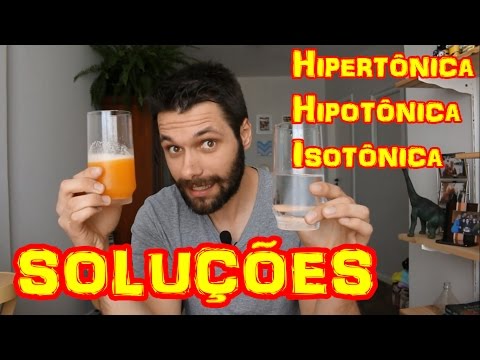
SOLUÇÃO: Soluto e Solvente - Hipertônica | Isotônica | Hipotônica
Understanding Solutions: Hypotonic, Hypertonic, and Isotonic
Importance of Sleep for Academic Success
- The speaker emphasizes the importance of sleep during exam periods, warning against sacrificing rest for study time.
- A lack of sleep can severely impair cognitive function, leading to poor performance on exams despite late-night studying.
- Students often overestimate their understanding of material if they do not actively engage with it; mere reading is insufficient for retention.
Key Concepts in Solution Chemistry
- Introduction to key terms: hypotonic (low concentration), hypertonic (high concentration), isotonic (equal concentration).
- Definitions:
- Solvent: Substance that dissolves another substance (e.g., water as the universal solvent).
- Solute: Substance that is dissolved (e.g., salts, sugars).
Concentration Comparisons
- The speaker shares a personal experiment comparing urine samples to illustrate differences in solution concentrations.
- Urine color can indicate hydration levels; darker urine suggests a hypertonic solution compared to more diluted samples.
Osmosis and Membrane Transport
- Explanation of osmotic processes where water moves from hypotonic solutions to hypertonic solutions through a semipermeable membrane.
- In isotonic solutions, no net movement occurs across membranes due to equal concentrations.
Types of Membrane Transport
- Distinction between passive transport (no energy required, e.g., diffusion from high to low concentration) and active transport (requires energy).
- Example provided: Sodium-potassium pump uses ATP to move ions against their concentration gradient.
Conclusion and Engagement Encouragement
- The speaker invites viewers to ask questions about unclear concepts and encourages likes and subscriptions for future content.