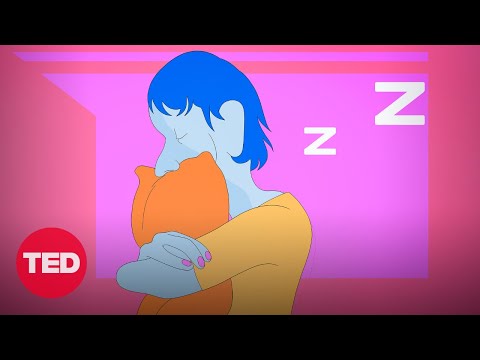
Are naps actually good for us? | Sleeping with Science
Are We Designed to Nap During the Day?
Understanding Sleep Patterns
Most people practice monophasic sleep, aiming for seven to nine hours of continuous sleep at night. This is a single bout of sleep.
A common experience is an afternoon drop in alertness, often mistaken as a result of heavy lunch; however, this dip appears to be hardwired into our biology.
Research indicates that this decline in alertness typically occurs between 1 PM and 4 PM, suggesting a potential evolutionary design for biphasic sleep—one longer nighttime sleep followed by a short nap during the day.
The Pros and Cons of Napping
While naps can provide benefits for both brain function and physical health, they can also have drawbacks. Long naps may only alleviate immediate sleepiness without addressing underlying fatigue.
Afternoon naps are refreshing -- but could they be messing up our sleep cycles? Sleep scientist Matt Walker reveals the pros and cons of napping, plus tips on how to get the most out of your next short snooze.
Sleep -- we spend one-third of our lives doing it, but what exactly do we get out of it? And how can we do it better? In this TED series, sleep scientist Matt Walker uncovers the facts and secrets behind our nightly slumber. Check out more episodes on TED.com: https://go.ted.com/sleepingwithscience
Visit http://TED.com to get our entire library of TED Talks, transcripts, translations, personalized talk recommendations and more.
The TED Talks channel features the best talks and performances from the TED Conference, where the world's leading thinkers and doers give the talk of their lives in 18 minutes (or less). Look for talks on Technology, Entertainment and Design -- plus science, business, global issues, the arts and more. You're welcome to link to or embed these videos, forward them to others and share these ideas with people you know.
Become a TED Member: http://ted.com/membership
Follow TED on Twitter: http://twitter.com/TEDTalks
Like TED on Facebook: http://facebook.com/TED
Subscribe to our channel: http://youtube.com/TED
TED's videos may be used for non-commercial purposes under a Creative Commons License, Attribution–Non Commercial–No Derivatives (or the CC BY – NC – ND 4.0 International) and in accordance with our TED Talks Usage Policy (https://www.ted.com/about/our-organization/our-policies-terms/ted-talks-usage-policy). For more information on using TED for commercial purposes (e.g. employee learning, in a film or online course), please submit a Media Request at https://media-requests.ted.com