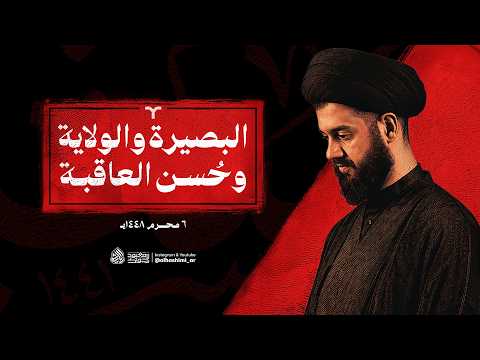
البصيرة والولاية وحُسن العاقبة | ٦ محرم ١٤٤٨هـ | السيد محمد الهاشمي
Introduction and Invocation
Opening Prayer
- The speaker begins with a prayer, invoking God's name and expressing gratitude for His blessings. This sets a spiritual tone for the discussion.
- Acknowledgment of the Prophet Muhammad and his family is made, emphasizing their significance in Islamic tradition.
The Importance of Awareness and Insight
Key Concepts of Good Outcomes
- The speaker highlights that awareness (bṣīrah) is crucial for achieving good outcomes in life, suggesting that mere adherence to rituals without understanding can lead to negative consequences.
- An example is given about individuals who may appear devout but lack true insight, leading to potential downfalls or instability in their actions.
Historical Examples
- The speaker references the Khawarij (secessionists) as a case study where 12,000 initially followed Ali ibn Abi Talib but deviated due to weak analytical skills and misconceptions. After discussions, 8,000 returned upon gaining clarity.
- This illustrates how critical analysis and understanding can rectify misguided beliefs within large groups.
Lessons from Karbala
Shifts in Allegiance
- Many who initially fought against Imam Hussein later switched sides during the Battle of Karbala after realizing their misjudgments regarding the situation's gravity. For instance, some joined Hussein on the eve of Ashura after reassessing their positions.
- The narrative emphasizes that many individuals struggled with recognizing reality due to poor analysis or lack of awareness at critical moments.
Personal Accounts
- Specific figures like Al-Hur are mentioned; he questioned his earlier decisions only when faced with imminent conflict against Hussein’s camp, showcasing a moment of realization about his previous miscalculations.
- Another figure discussed is Zahir ibn al-Qain, whose transformation from an opposing stance to supporting Hussein reflects how dialogue can shift perspectives significantly even amidst conflict situations.
The Case of Sulayman ibn Surad al-Khuza'i
Initial Hesitation
- Sulayman ibn Surad did not participate in early conflicts like Jamal due to uncertainty about aligning with either side despite being close to Ali ibn Abi Talib's circle; this hesitation was criticized by Ali himself later on.
Later Actions
- After Imam Hassan's peace treaty with Muawiya, Sulayman encouraged others to support Hussein but ultimately failed to join him at Karbala despite advocating for action against oppression post-Hussein’s martyrdom through leading the Tawabin movement (the Penitents).().
Understanding Insight and Awareness
Steps Towards Gaining Insight
- Foundational Knowledge: Emphasizes learning essential principles and frameworks necessary for sound judgment; lacking these leads one astray amid confusion or misinformation.
- Awareness of Current Events: Stresses the importance of being informed about contemporary issues affecting one's community or faith; ignorance can result in misguided actions or beliefs.
Consequences of Ignorance
- The speaker warns that failing to understand foundational principles can lead individuals into dangerous ideologies or movements based on false premises rather than truth-based reasoning.
Final Reflections on Leadership and Guidance
Role Models
- Figures such as martyrs like Shahid Mutahhari are highlighted as exemplars who provided clarity through their teachings during tumultuous times.
Conclusion
- Ultimately stresses that maintaining allegiance with knowledgeable leaders ensures better guidance towards righteousness while navigating complex societal challenges.
This structured approach provides clear insights into key themes discussed throughout the transcript while allowing easy navigation through timestamps linked directly back to specific points made by the speaker.