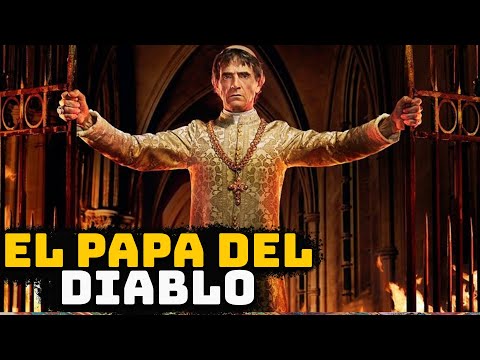
El Papa Malvado: La Vida de Rodrigo Borgia - Papa Alejandro VI - Mira la Historia
Rodrigo Borgia: Rise to Power
Early Life and Family Background
- Rodrigo Borgia was likely born on January 1, 1431, or possibly a year later; his exact birth date is uncertain.
- He belonged to the Borgia family, a Spanish lineage that gained significant power in Rome after Pope Calixto III's ascension.
- The family's early history is filled with legends, tracing back to around 1140 from a branch of the Aragon dynasty. Over generations, they held various leadership roles in Xátiva, Valencia.
Ascendancy within the Church
- Following Alonso Borgia's elevation to papacy as Calixto III, he appointed two nephews—Rodrigo (future Pope Alejandro VI) and Pedro Luis—to high clerical positions. This marked a continuation of nepotism in the church.
- Rodrigo was groomed for an ecclesiastical career from a young age; this was typical during that era where church leadership often passed from uncle to nephew due to celibacy rules.
Career Development
- Rodrigo arrived in Rome around 1449 and pursued law studies at Bologna by 1453. His uncle became pope on April 8, 1455, allowing him to appoint cardinals among family members. In February 1456, both Rodrigo and Luis were made cardinals simultaneously.
- As vice-chancellor of the church and bishop of Valencia, Rodrigo significantly increased his influence and wealth within the curia following his uncle’s papacy. He faced opposition from powerful families like the Orsinis and King of Naples as he rose through ranks.
Transition of Power
- After Calixto III's health declined rapidly in July 1458, Rodrigo remained by his side until his death on August 6th; this allowed him to retain key positions despite losing territorial power with his uncle's passing.
- Pío II succeeded Calixto III without immediate conflict between him and Rodrigo; however, little documentation exists about Rodrigo during this period due to lack of close ties with Pío II’s circle.
Shifting Dynamics under Sixtus IV
- With Pío II’s death in summer 1471, Francesco María de Larrovere became Pope Sixtus IV; Rodrigo played a crucial role in securing votes for Sixtus IV’s election which expanded his own influence further within the church hierarchy.
- In 1472, as an authorized representative of Sixtus IV in Spain, Rodrigo aimed to persuade Spanish monarchs for a crusade while also facilitating royal marriages that would benefit future alliances between Spain and Rome.
Political Maneuvering
- The marriage between Isabel (heir of Castile) and Fernando (heir of Aragon) was initially viewed skeptically but proved advantageous for both parties involved due to political connections established by Rodrigo Borgia over time leading up to significant treaties like Tordesillas in 1494 that divided new territories between Spain and Portugal under Alejandro VI’s papacy.
Legacy Challenges
- After Sixtus IV died in August 1484, Innocent VIII took over—a less prominent figure who lacked notoriety compared to previous popes but continued some practices established by earlier leaders including those related to personal relationships outside marriage among clergy members which had become more common during this period amidst changing societal norms regarding morality within the church context.
Rodrigo Borgia: A Complex Legacy
Early Life and Relationships
- Rodrigo Borgia, despite being a clergyman, had a significant romantic relationship with a woman from Yucatán, who was ten years younger than him. She bore him four notable children: César (1475), Giovanni (1476), Lucrecia (1480), and Jofre (1481).
- Throughout his life, Rodrigo accumulated several mistresses while contemplating the formation of a family without intending to lead a married life.
The Papal Election of 1492
- Following the death of Pope Innocent VIII on July 25, 1492, a power struggle ensued for the papacy between Rodrigo Borgia and Giuliano della Rovere. Della Rovere had previously been influential in the Curia but lacked support due to his age and political exposure.
- The conclave was heavily influenced by political dynamics rather than spiritual merit; it was dominated by two major powers: Milan under Ludovico Sforza and Ferrara. This led to intense maneuvering for votes in favor of Rodrigo Borgia.
Ascension to Papacy
- On August 26, 1492, Rodrigo Borgia was elected as Pope Alexander VI amidst political turmoil and alliances formed through financial influence rather than spiritual qualifications. His election marked one of the most politically charged papacies in history.
- After his election, Alexander VI faced immediate challenges from rivals like Giuliano della Rovere who fled Rome after losing the vote but remained a threat to his papacy. Alexander recognized that he owed his position largely to the Sforza family's support.
Family Alliances and Political Maneuvering
- To solidify his power base within the Church, Alexander VI appointed Juan Borgia as cardinal shortly after becoming pope and arranged Lucrecia's marriage to Giovanni Sforza at just twelve years old—an act aimed at strengthening familial ties with powerful allies.
- As tensions rose with external threats such as King Charles VIII of France seeking control over Rome, Alexander negotiated terms that would allow French troops passage while simultaneously securing alliances with other European powers like Spain and Germany against France's ambitions.
Challenges During His Papacy
- Despite initial successes in consolidating power through strategic marriages and alliances, Alexander VI faced ongoing threats from both internal factions within Rome and external pressures from foreign monarchies eager for influence over Italy’s politics. He sought to expel rival factions while maintaining stability within his own ranks.
- In January 1495, an agreement was reached with King Charles VIII amid escalating tensions; however, dissatisfaction arose among local leaders like Ascanio Sforza who expected more decisive action from the French king regarding their interests in Milan versus those of Alexander VI's papacy.
Personal Tragedy
- In 1497, following dramatic military confrontations between French forces and Milanese troops aimed at undermining Sforza’s influence further still—Alexander annulled Lucrecia’s marriage claiming it had not been consummated—a move that sparked rumors about inappropriate relations between her father and herself alongside César Borgia's involvement in these affairs leading up to tragedy when Giovanni was mysteriously murdered soon after this decision was made. His body found disfigured raised questions about court intrigues surrounding their family dynamics during this tumultuous period in history.
The Tragic Death of Giovanni Borgia
The Impact of Giovanni's Death
- The death of Giovanni Borgia left a profound impact on his family, particularly on his father, Pope Alexander VI, who would do anything to bring back his son.
- Following Giovanni's murder, suspicions arose that Cesare Borgia might have been involved; however, this theory is countered by the belief that Alexander VI would never forgive such an act.
Political Maneuvering and Marriages
- In 1497, rumors circulated about Cesare Borgia leaving the cardinalate to establish his own state in Romagna.
- Pope Alexander VI arranged a marriage for Lucrezia Borgia with Alfonso of Aragon in March 1498 as part of political alliances following King Charles VIII's death.
Shifts in Power Dynamics
- On August 17, Cesare Borgia transitioned from cardinal to prince after receiving a principality from the French king in exchange for marrying into nobility.
- The years following these events were marked by celebrations for Pope Alexander VI and Cesare, including a controversial banquet known as "El banquete de la castaña."
Controversial Celebrations and Legacy
- The banquet reportedly featured extravagant indulgences but remains debated regarding its authenticity due to potential slander against the Borgias.
- After eleven years as pope, Alexander VI fell ill and died on August 18, 1503; speculation surrounds his cause of death—either poisoning or malaria.
Governance and Influence
- Despite not being viewed as a saintly figure, Alexander VI was popular among Romans for reducing violence during a time when law enforcement was lacking.
- His significant legacy includes the issuance of papal bulls that initiated land distribution between Portugal and Spain globally, later confirmed by the Treaty of Tordesillas under Pope Julius II.