Tema 2. FARMACOCINÉTICA; Absorción.
Understanding Pharmacokinetics and Drug Absorption
Overview of Pharmacokinetics
- Pharmacokinetics involves the processes a drug undergoes after administration, including absorption, distribution, metabolism, and excretion. These processes occur simultaneously.
Mechanisms of Drug Absorption
- Absorption refers to how drugs enter the body from their administration site, primarily through cellular membranes. Factors influencing this include lipophilicity and ionization.
Key Factors Affecting Absorption
- Lipid-soluble drugs with small molecular weight that are non-ionized can easily cross biological membranes.
Mechanisms of Crossing Membranes
- Drugs can traverse biological membranes via several mechanisms:
- Passive Diffusion: Most common method where drugs dissolve in lipid bilayers without energy expenditure.
- Filtration: Involves passage through aqueous channels for low molecular weight substances.
- Active Transport: Requires energy; proteins transport drugs across membranes.
Passive Diffusion Details
- The rate of passive diffusion is influenced by drug concentration; higher concentrations lead to faster diffusion until equilibrium is reached.
Ionization and pH Effects on Drug Absorption
- Many drugs exist as weak acids or bases in solution, affecting their ionization state based on pH.
- The Henderson-Hasselbalch equation relates pH to the ionization fraction, impacting how much drug crosses membranes.
Implications of pH Variations
- Altering pH can modify the amount of drug absorbed or eliminated, which is crucial for therapeutic outcomes.
Other Transport Mechanisms
- Filtration: Allows negatively charged substances to pass through membrane pores; positively charged substances require active transport.
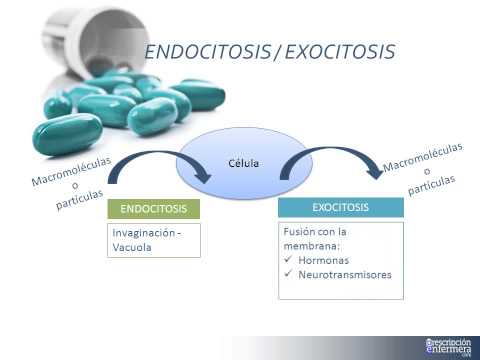
- Endocytosis/Exocytosis: Enable large molecules to enter or exit cells by engulfing them in membrane vesicles.
Importance of Active Transport
- Active transport systems are vital in specific areas like the blood-brain barrier and renal tubules due to their ability to saturate and compete with other substances.
Factors Influencing Drug Absorption
- Physiological factors (age, pregnancy).
- Pathological conditions (diarrhea, vomiting).
- Iatrogenic factors (drug interactions).
Biodisponibility vs. Absorption
Bioequivalence of Drugs
Understanding Bioequivalence
- Bioequivalence is defined as the condition where two drugs reach the same concentration in blood within a similar timeframe. This is crucial since the effects of most drugs are closely related to their plasma levels.
- The concept of minimum effective concentration (MEC) refers to the lowest concentration needed to produce a therapeutic effect, while minimum toxic concentration (MTC) indicates the level at which toxic effects may occur.
- The difference between MEC and MTC defines the therapeutic window. Drugs with a narrow therapeutic margin have minimal differences between effective and toxic concentrations, making monitoring essential.
Plasma Level Dynamics
- Plasma levels of a drug are not constant; they fluctuate over time. A graph depicting these levels illustrates how drug concentration changes post-administration, particularly for oral medications.
- Key parameters from this plasma level curve include:
- Minimum Toxic Concentration (MTC)
- Minimum Effective Concentration (MEC)
- Maximum Concentration (Cmax), which correlates with peak drug effects.
Turn any video into a summary like this
YouTube links, meetings, lectures — with transcripts, search, and chat.